First Case of Bird Flu H5N1 in European Dairy Cow Reported
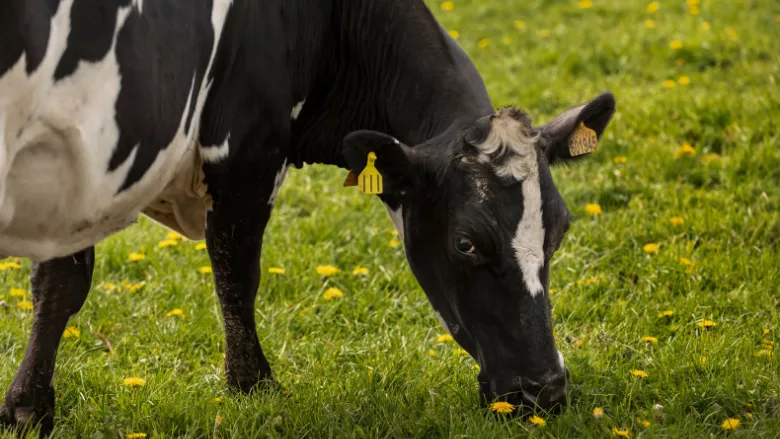
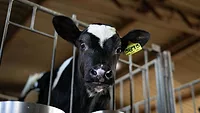
Wageningen Bioveterinary Research has found antibodies for highly pathogenic avian influenza H5N1 (HPAI H5N1) in a Dutch dairy cow, indicating that the animal had previously been infected with the virus. Confirmed via polymerase chain reaction (PCR) analysis, the animal was no longer carrying the virus at the time of testing, meaning the cow was not shedding the virus.
After a cat on a Netherlands farm tested positive for HPAI H5N1, the farm’s dairy cattle were investigated, leading to detection of bird flu antibodies in one of the cows. Enquiries by the Netherlands Food and Consumer Product Safety Authority (NVWA) determined that the cow showed symptoms in mid-December consistent with an avian influenza infection. The cow had mastitis and a reduced milk yield. The cow has fully recovered.
All other dairy cows on the farm were negative for HPAI H5N1 virus, but the results of antibody testing are pending. The farm is subject to restrictions until the results of the investigation are finalized.
NVWA has also taken milk samples from 20 cows on the farm and collected a bulk tank milk sample. The farm’s milk is only used for pasteurized products. Pasteurization has been proven to effectively eliminate HPAI H5N1 virus in dairy products. The milk from the sick cow during its time of illness did not enter the food chain.
The North American HPAI H5N1 among dairy cattle has been most prominent. In December, the European Food Safety Authority (EFSA) said the risk of the virus spreading from U.S. dairy cattle to Europe was “very low” while encouraging preparedness and heightened surveillance.
Wageningen University explained that laboratory research suggests that the European avian influenza virus may be able to infect bovines, but to detect the potential zoonotic adaptations in the genetic material of the virus, researchers would need to recover the virus itself; antibodies alone are not sufficient to identify virus adaptations.
Relatedly, ongoing work involving Wageningen University has demonstrated the efficacy of two avian flu vaccines in reducing mortality in poultry infected with the HPAI virus, although additional experiments are required to draw accurate conclusions about the vaccines’ impact on virus transmission. The vaccine is not being tested in other animal species, however, because both vaccines are based on a vector that is specific to birds.
Looking for quick answers on food safety topics?
Try Ask FSM, our new smart AI search tool.
Ask FSM →