Food Safety
search
Ask Food Safety AI
cart
facebook twitter linkedin instagram youtube
  • Sign In
  • Create Account
  • Sign Out
  • My Account
Food Safety
  • NEWS
    • Latest News
    • White Papers
  • PRODUCTS
  • TOPICS
    • Contamination Control
    • Food Types
    • Management
    • Process Control
    • Regulatory
    • Sanitation
    • Supply Chain
    • Testing and Analysis
  • PODCAST
  • EXCLUSIVES
    • Food Safety Five Newsreel
    • eBooks
    • FSM Distinguished Service Award
    • Interactive Product Spotlights
    • Videos
  • BUYER'S GUIDE
  • MORE
    • NEWSLETTERS >
      • Archive Issues
      • Subscribe to eNews
    • Store
    • Sponsor Insights
    • ASK FSM AI
  • WEBINARS
  • FOOD SAFETY SUMMIT
  • EMAG
    • eMagazine
    • Archive Issues
    • Editorial Advisory Board
    • Contact
    • Advertise
  • SIGN UP!
NewsContamination ControlFood TypeProcess ControlMicrobiologicalIntervention ControlsDairy/Eggs

Study Shows Salt Inhibits Listeria Growth in Queso Fresco
By Food Safety Magazine Editorial Team
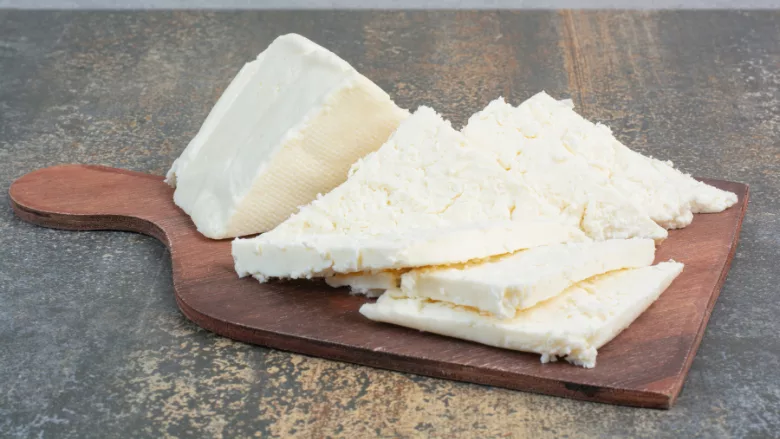
soft fresh white queso fresco-type cheese
Image credit: azerbaijan_stockers via Freepik
February 20, 2026

New research from Oregon State University provides insights into formulations and treatments that can help slow Listeria monocytogenes growth in soft, fresh cheeses like queso fresco, addressing a pathogen-commodity pair of concern with a history of causing foodborne illness outbreaks.

Queso Cotija Poses Less Risk of Listeria Growth Than Queso Fresco 

In a study published in Dairy Science, researchers with Oregon State University’s College of Agricultural Science and the Oregon Agricultural Experiment Station sought to characterize L. monocytogenes behavior in queso fresco and queso cotija. The researchers purchased samples of the two cheese types from two production lots and five unique manufacturers. The cheeses were inoculated with a five-strain L. monocytogenes cocktail and stored for 28 days at 7 °C, during which time the bacterial populations on the cheeses were monitored.

The researchers found that the queso cotija samples did not support the growth of L. monocytogenes, likely due to decreased water activity and lower pH, but populations remained stable during storage, indicating that L. monocytogenes contamination still poses a concern.

On the other hand, the majority of queso fresco products supported L. monocytogenes growth at levels greater than 2 colony-forming units per gram (CFU/g) across 28 days; however, L. monocytogenes populations were consistently controlled in samples of one queso fresco product from a single manufacturer, suggesting that formulation or production processes can influence risk.

Salt Slows Listeria Growth in Queso Fresco

To better understand the characteristics of the cheeses that influence L. monocytogenes growth, the researchers conducted a regression analysis and discovered that salt concentration is a likely predictor of growth in queso fresco. Inoculation studies on queso fresco, with 1–3 percent salt, showed that salt inhibits L. monocytogenes growth but does not stop it completely. Interestingly, the highest salt concentration tested did not inhibit L. monocytogenes growth.

Looking for quick answers on food safety topics?
Try Ask FSM, our new smart AI search tool.
Ask FSM →

Organic Acid Treatments Show Promise

In a related study published in the Journal of Food Protection, the researchers evaluated whether treating contaminated queso fresco cheeses with food-grade organic acids could inhibit L. monocytogenes growth while preserving the cheeses’ organoleptic properties. The researchers applied acetic, lactic, and propionic acids to the surface of L. monocytogenes-inoculated cheeses. They found that dipping the cheeses in stronger acetic and peracetic acid concentrations prevented L. monocytogenes growth during 28 days of storage at 7 °C. Lactic acid only worked when the pH of the queso fresco was adjusted to be more acidic, which may affect taste.  

KEYWORDS: listeria Oregon State University queso fresco study

Share This Story

Fsm purple logo 200x200

The Food Safety Magazine editorial team comprises Bailee Henderson, Digital Editor ✉; Adrienne Blume, M.A., Editorial Director; and Stacy Atchison, Publisher.

Recommended Content

JOIN TODAY
to unlock your recommendations.

Already have an account? Sign In

  • people holding baby chicks

    Serovar Differences Matter: Utility of Deep Serotyping in Broiler Production and Processing

    This article discusses the significance of Salmonella in...
    Contamination Control
    By: Nikki Shariat Ph.D.
  • woman washing hands

    Building a Culture of Hygiene in the Food Processing Plant

    Everyone entering a food processing facility needs to...
    Training
    By: Richard F. Stier, M.S.
  • graphical representation of earth over dirt

    Climate Change and Emerging Risks to Food Safety: Building Climate Resilience

    This article examines the multifaceted threats to food...
    Management
    By: Maria Cristina Tirado Ph.D., D.V.M. and Shamini Albert Raj M.A.
Manage My Account
  • eMagazine Subscription
  • Subscribe to Newsletters
  • Manage My Preferences
  • Website Registration
  • Subscription Customer Service

More Videos

Sponsored Content

Sponsored Content is a special paid section where industry companies provide high quality, objective, non-commercial content around topics of interest to the Food Safety Magazine audience. All Sponsored Content is supplied by the advertising company and any opinions expressed in this article are those of the author and not necessarily reflect the views of Food Safety Magazine or its parent company, BNP Media. Interested in participating in our Sponsored Content section? Contact your local rep!

close
  • Salmonella bacteria
    Sponsored byThermoFisher

    Food Microbiology Testing Methods: Salmonella species

  • a diagram explaining indicator organisms
    Sponsored byHygiena

    How Proactive Listeria Testing Helps Prevent Six- and Seven-Figure Recalls

  • woman grocery shopping
    Sponsored byCorbion

    Designing Safety Into Every Bite: Proactive Risk Mitigation for Refrigerated Foods

Popular Stories

Rosabella moringa capsules

Salmonella Outbreak Linked to Dietary Supplement Involves Extensively Drug-Resistant Strain

resignation letter

FDA, USDA, CDC Continue to Lose Staffers in Fiscal Year 2026

overhead shot of people working at conveyor belts carrying whole fresh apples in production facility

Study Shows Listeria Biofilm Age, Surface Properties Affect Sanitizer Efficacy in Produce Packinghouses

Events

February 25, 2026

How to Manage Food Safety and Regulatory Risks in Your Supply Chain

Live: February 25, 2026 at 2:00 pm EST: From this webinar, attendees will learn how large food manufacturing organizations can successfully manage their supply chain, food safety, and regulatory risks.

March 3, 2026

FDA/USDA Regulatory Updates: Food Safety Work Plans for 2026

Live: March 3, 2026 at 2:00 pm EST: In this high-level, exclusive webinar, FDA Deputy Commissioner for Human Foods Kyle Diamantas and USDA Under Secretary for Food Safety Mindy Brashears, Ph.D. will share their agencies' regulatory priorities and work plans for 2026 and beyond.

May 11, 2026

The Food Safety Summit

Stay informed on the latest food safety trends, innovations, emerging challenges, and expert analysis. Leave the Summit with actionable insights ready to drive measurable improvements in your organization. Do not miss this opportunity to learn from experts about contamination control, food safety culture, regulations, sanitation, supply chain traceability, and so much more.

View All

Products

Global Food Safety Microbial Interventions and Molecular Advancements

Global Food Safety Microbial Interventions and Molecular Advancements

See More Products

Related Articles

  • smoked salmon toast

    Listeria From Multispecies Biofilms More Prone to Growth in RTE Foods, Study Shows

    See More
  • three pears

    Study Describes Listeria Persistence on Pears in Storage, Shows Value of Antimicrobial Wrap

    See More
  • soft cheeses FDA overlay

    FDA Summarizes Listeria Prevention Strategy for Soft Fresh Queso Fresco-Type Cheeses

    See More

Related Products

See More Products
  • 9781138070912.jpg

    Trends in Food Safety and Protection

  • 1119237963.jpg

    Food Safety in China: Science, Technology, Management and Regulation

  • Food-Forensics-3D.jpg

    Food Forensics Handbook Practice, Instrumentation, Case Studies

See More Products

Events

View AllSubmit An Event
  • December 4, 2025

    Beyond Detection: How Integrated PCR Diagnostics Strengthen Food Safety in RTE Manufacturing

    On Demand: From this webinar, attendees will learn best practices for prevention of FM contamination at the corporate and plant levels.
View AllSubmit An Event

Related Directories

  • AEMTEK Laboratories

    ISO 17025 accredited third-party laboratory focused on accuracy, turnaround times, customer service, and knowledgeable staff. AEMTEK specializes in product testing, environmental monitoring, shelf-life studies, process validation, research, training, and consulting services. For over 20 years, AEMTEK has provided clients with holistic solutions to ensure food safety.
×

Never miss the latest news and trends driving the food safety industry

Newsletters | Website | eMagazine

JOIN TODAY!
  • RESOURCES
    • Advertise
    • Contact Us
    • Directories
    • Store
    • Want More
  • SIGN UP TODAY
    • Create Account
    • eMagazine
    • Newsletters
    • Customer Service
    • Manage Preferences
  • SERVICES
    • Marketing Services
    • Reprints
    • Market Research
    • List Rental
    • Survey/Respondent Access
  • STAY CONNECTED
    • LinkedIn
    • Facebook
    • Instagram
    • X (Twitter)
  • PRIVACY
    • PRIVACY POLICY
    • TERMS & CONDITIONS
    • DO NOT SELL MY PERSONAL INFORMATION
    • PRIVACY REQUEST
    • ACCESSIBILITY

Copyright ©2026. All Rights Reserved BNP Media.

Design, CMS, Hosting & Web Development :: ePublishing