CDC: Avoid Consuming Raw Milk, as Risk of Bird Flu Infection is Low but Possible

A new report from the U.S. Centers for Disease Control and Prevention (CDC) concludes that the risk of human infection by avian influenza following the consumption of virus-contaminated foods is “low, but theoretically possible.”
The report summarizes data on how influenza A viruses might affect the gastrointestinal (GI) tract of mammals, including people, in the context of the ongoing highly pathogenic avian influenza H5N1 (HPAI H5N1) bird flu outbreak affecting North American dairy cattle and poultry.
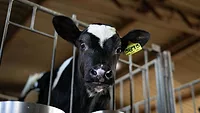
A key question throughout the outbreak has been the potential health threat to people from eating or drinking food or beverages contaminated with avian influenza A (H5N1) viruses, such as milk. Although pasteurization has been shown to effectively inactivate bird flu H5N1 in dairy products, the possibility of people contracting avian influenza via unpasteurized (raw) milk remained uncertain.
Based on available research, CDC has determined that some seasonal and novel influenza A viruses may have potential to cause infection of the GI tract. Additionally, while the risk appears to be low to date, HPAI H5N1 viruses may cause infection in mammals and have potential to cause infection in humans if the digestive tract were exposed to influenza A (H5N1) viruses or virus-contaminated products.
The report highlighted specific scientific studies that led CDC to its conclusion, specifically:
- Studies that reported the presence of influenza A viruses in the GI tissue of ferrets after they were infected through the respiratory/nasal tract, showing that seasonal and novel influenza A viruses may spread to the GI tract of mammals after infection through a respiratory route
- Reports of sometimes severe or fatal avian influenza H5N1 infection in dogs and cats that consumed virus-contaminated material (i.e., raw pet food or milk)
- Animal studies showing that ingesting bird flu H5N1 virus-containing meat or milk can lead to infection and death in some mammals (although there are limitations in translating these findings to people)
- Clinical reports from human cases of seasonal or novel influenza A infections involving GI symptoms, in which fecal detections of viral genetic material point to the potential for both seasonal and novel influenza A viruses to cause GI symptoms in people
- Studies finding that different influenza A virus subtypes are able to multiply within human GI tissues in laboratory settings, suggesting influenza A virus infection in the human GI tract may be possible (although laboratory settings do not have the same acidic conditions as the human GI tract, which may inactivate these viruses).
Overall, CDC concluded that, while the risk of human infection of the GI tract from consuming HPAI A (H5N1) virus-contaminated products is likely low, further investigation is needed to understand how different seasonal and novel influenza A viruses may use the GI tract to possibly infect humans and mammals.
Based on the limited research and information available, CDC reports that it does currently not know if avian influenza A viruses can be transmitted to people through consumption of raw milk and products (such as cheese) made from raw milk from infected cows. However, since HPAI H5N1 has been found in commercially sold raw milk, CDC recommends avoiding the consumption of raw milk and unpasteurized dairy products.
Looking for quick answers on food safety topics?
Try Ask FSM, our new smart AI search tool.
Ask FSM →