The Raw Truth About Raw Foods
Image(s) credit: Freepik
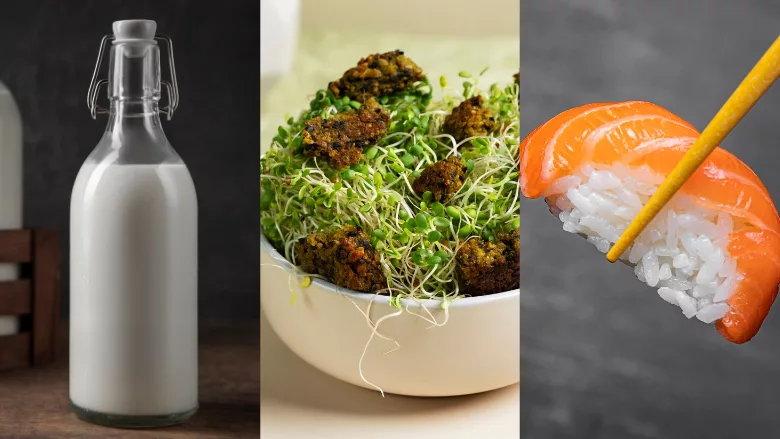
In today's wellness-focused culture, raw foods are often praised as the ultimate healthy eating. From raw milk and sushi to fresh sprouts and unpasteurized juices, many consumers seek out these options with the belief that they are more natural, nutrient-dense, or unprocessed. While these foods may offer certain benefits, they also come with very real food safety risks that are often underestimated or misunderstood.
Consumers making choices in pursuit of health and wellness deserve full transparency about both the risks and benefits of these foods. Understanding this balance is key to making informed decisions that prioritize both nutrition and safety.
The Allure of Raw Foods
The appeal of raw foods largely stems from the idea that minimal processing preserves nutrients and beneficial compounds. For example, raw milk advocates argue that pasteurization destroys important enzymes and probiotics. Sushi lovers praise raw fish for its fresh taste and high omega-3 fatty acids content. Similarly, fresh-pressed juices and raw sprouts are often marketed as "superfoods" packed with vitamins, antioxidants, and enzymes that support digestion and overall health.
While these claims may have some merit, they do not tell the whole story. Cooking and processing methods like pasteurization, fermentation, and heating exist for a reason—primarily to protect public health by reducing harmful bacteria, parasites, and viruses that can cause illness.1
The Hidden Dangers of Raw Foods
Many raw foods pose a higher risk of contamination compared to their cooked or processed counterparts. Following are a few well-documented examples:
Raw milk and unpasteurized dairy. Raw milk, which has gained popularity in some circles as a more "natural" alternative to pasteurized milk, can carry dangerous pathogens such as Camplyobacter, Brucella, Salmonella, E. coli, and Listeria monocytogenes.2 These bacteria can cause severe illnesses, such as Guillain-Barré Syndrome, which leads to paralysis, strokes and even death; and hemolytic uremic syndrome, which severely affects the kidneys and blood. Children, pregnant women, the elderly, and those with weakened immune systems are at a higher risk for the more severe outcomes from an infection. In fact, unpasteurized milk is 150 times more likely to cause foodborne illness than pasteurized milk.3
With the highly pathogenic avian influenza (HPAI) H5N1 circulating through dairy cattle in the U.S., raw milk also poses a problem for viral contamination of food and human illness. If sourced from a dairy cow infected with HPAI H5N1, raw milk can transmit the virus to humans and other mammals, causing infection.4 The Food and Drug Administration (FDA) is advising consumers not to drink unpasteurized, raw milk due to the risk of contracting infections or illnesses caused by pathogenic bacteria or HPAI H5N1.5
Raw seafood (sushi, oysters, ceviche). Sushi, oysters, and ceviche are enjoyed worldwide for their delicate flavors and textures, but they can harbor parasites like Anisakis and bacteria such as Vibrio vulnificus.6 Vibrio infections, often linked to raw oysters, can be particularly severe, leading to bloodstream infections that can result in liver failure, kidney failure, and even death in vulnerable populations.7 While freezing raw fish can kill parasites, it does not eliminate bacterial risks.
Looking for quick answers on food safety topics?
Try Ask FSM, our new smart AI search tool.
Ask FSM →
Raw sprouts (alfalfa, bean sprouts, microgreens). Raw sprouts are often added to salads and sandwiches for their crunchy, nutrient-dense textures. However, the warm, humid conditions required to grow sprouts also create the perfect environment for bacterial growth. Outbreaks linked to E. coli and Salmonella from sprouts have occurred repeatedly over past decades, leading food safety agencies to recommend that high-risk groups avoid them altogether, or cook thoroughly to significantly reduce the risk of illness.8
Fresh-pressed juices. Unpasteurized juices are marketed as fresher and more nutrient-rich than their pasteurized counterparts. However, without heat treatment, these juices can carry pathogens from contaminated produce, including E. coli and Salmonella.9
Choosing whether to consume raw foods requires an informed risk-benefit analysis. While these foods may offer some nutritional advantages, the potential for severe illness should not be ignored. It is important to consider the following factors when making decisions:
- Who is eating the food? Pregnant women, young children, older adults, and immunocompromised individuals are at greater risk of severe illness from foodborne pathogens and should avoid high-risk raw foods.10
- How is the food handled? The safety of some raw foods depends heavily on how they are grown, harvested, processed, and stored. Rigorous standards reduce the risk of contamination. Proper storage, refrigeration, and hygienic preparation are crucial to minimizing exposure to harmful bacteria and pathogens.
- Are there safer alternatives? Pasteurized milk still offers valuable nutrients without the bacterial risks, and properly cooked seafood retains its beneficial omega-3 fatty acids.
- What is the risk tolerance? Some individuals accept the risk in exchange for taste or benefits, but it is crucial to understand the real consequences that can result from consuming raw foods.
A Call for Smarter Choices
Raw foods will likely always have a place in culinary and wellness culture, but awareness and education should guide our choices. While some consumers are willing to take the risk, others—particularly those in high-risk groups—should consider safer alternatives.
Regulators, food producers, and public health professionals must continue to ensure that consumers are aware of both the risks and benefits of raw food choices. Simple steps like proper refrigeration, sourcing food from trusted suppliers, and opting for pasteurized or cooked alternatives can significantly reduce the risk of illness while still allowing people to enjoy nutritious and flavorful meals.
In the quest for health, we should not overlook the science of food safety. Raw foods may seem appealing, but informed decisions—ones that consider both benefits and risks—are the key to truly healthy eating.
References
- Centers for Disease Control and Prevention (CDC). "Safer Food Choices." January 31, 2025. https://www.cdc.gov/food-safety/foods/safer-food-choices.html.
- CDC. "Food Safety: Raw Milk." January 31, 2025. https://www.cdc.gov/food-safety/foods/raw-milk.html.
- Langer, A.J., T. Ayers, J. Grass, et al. "Nonpasteurized Dairy Products, Disease Outbreaks, and State Laws—United States, 1993–2006." Emerging Infectious Diseases 18, no. 3 (March 2012): 385–391. https://pmc.ncbi.nlm.nih.gov/articles/PMC3309640/.
- American Veterinary Medical Association. "New avian influenza genotype found in dairy cattle." February 6, 2025. https://www.avma.org/news/new-avian-influenza-genotype-found-dairy-cattle.
- Food and Drug Administration (FDA). "Investigation of Avian Influenza A (H5N1) Virus in Dairy Cattle." Content current as of March 14, 2025. https://www.fda.gov/food/alerts-advisories-safety-information/investigation-avian-influenza-h5n1-virus-dairy-cattle.
- CDC. "About Anisakiasis." January 31, 2024. https://www.cdc.gov/anisakiasis/about/index.html.
- Oliver, J. D. "Wound Infections Caused by Vibrio vulnificus and other Vibrio Species." Epidemiology and Infection 133, no. 3 (June 2005): 383–391. https://pubmed.ncbi.nlm.nih.gov/15962544/.
- FDA. "Fruits, Veggies and Juices (Food Safety for Moms-to-Be)." Content current as of March 5, 2024. https://www.fda.gov/food/people-risk-foodborne-illness/fruits-veggies-and-juices-food-safety-moms-be.
- FDA. "What You Need to Know About Juice Safety." Content current as of March 5, 2024. https://www.fda.gov/food/buy-store-serve-safe-food/what-you-need-know-about-juice-safety.
- UCLA Health. "Are Raw Foods Safe to Eat?" March 12, 2018. https://www.uclahealth.org/news/article/are-raw-foods-safe-to-eat.
Author
Caitlin Karolenko, Ph.D. is a Scientific Program Manager at the Institute for the Advancement of Food and Nutrition Sciences (IAFNS), where she leads various food safety initiatives including the Food Microbiology Committee. She has direct experience with process validation including pathogen inhibition and microbiome analysis.