Food Safety
search
Ask Food Safety AI
cart
facebook twitter linkedin instagram youtube
  • Sign In
  • Create Account
  • Sign Out
  • My Account
Food Safety
  • NEWS
    • Latest News
    • White Papers
  • PRODUCTS
  • TOPICS
    • Contamination Control
    • Food Types
    • Management
    • Process Control
    • Regulatory
    • Sanitation
    • Supply Chain
    • Testing and Analysis
  • PODCAST
  • EXCLUSIVES
    • Food Safety Five Newsreel
    • eBooks
    • FSM Distinguished Service Award
    • Interactive Product Spotlights
    • Videos
  • BUYER'S GUIDE
  • MORE
    • NEWSLETTERS >
      • Archive Issues
      • Subscribe to eNews
    • Store
    • Sponsor Insights
    • ASK FSM AI
  • WEBINARS
  • FOOD SAFETY SUMMIT
  • EMAG
    • eMagazine
    • Archive Issues
    • Editorial Advisory Board
    • Contact
    • Advertise
  • SIGN UP!
NewsContamination ControlFood TypeRegulatoryMicrobiological ControlDairy/EggsFDA

Patient Count in Raw Farm E. coli Outbreak Grows, Majority are Young Children
By Food Safety Magazine Editorial Team
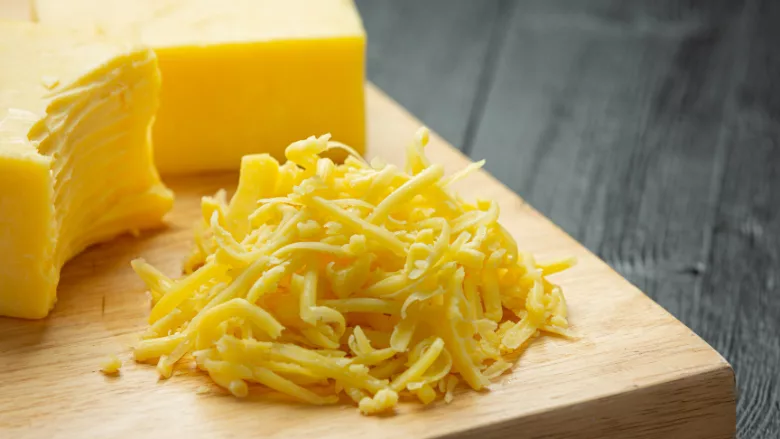
half shredded block of cheddar cheese and pile of cheese shreds on wooden cutting board
Image credit: jcomp via Freepik
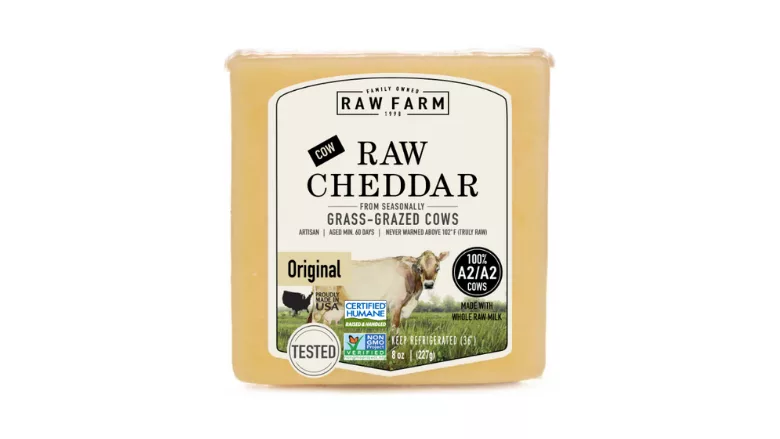
RAW FARM-brand raw cheddar cheese product
Image source: FDA
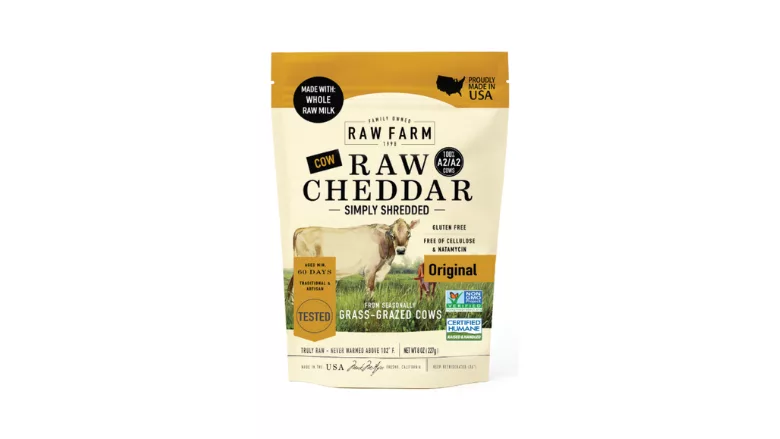
RAW FARM-brand raw cheddar cheese shreds
Image source: FDA
half shredded block of cheddar cheese and pile of cheese shreds on wooden cutting board
RAW FARM-brand raw cheddar cheese product
RAW FARM-brand raw cheddar cheese shreds
March 27, 2026

The patient count in the Escherichia coli outbreak involving Raw Farm-brand raw (unpasteurized) cheddar cheese products has grown to nine people in three states, including one case of hemolytic uremic syndrome (HUS).

More than half of the patients in the outbreak are younger than five years old. Cases have been reported in California (seven), Texas (one), and Florida (one). The illnesses range between September 1, 2025 and February 20, 2026.

The clinical E. coli O157:H7 isolates from outbreak patients are closely genetically related, determined by whole genome sequencing (WGS) analysis.

Epidemiologic Evidence Points to Raw Farm Dairy Products

Epidemiologic evidence points to raw dairy products produced by Raw Farm LLC of Fresno, California as the likely vehicle of illness.

Of the eight patients interviewed, seven reported consuming Raw Farm-brand dairy products, and the eighth person reported consuming raw milk but did not remember the brand.

In 2026, five people reported consuming Raw Farm-brand Cheddar Cheese, and in 2025, two people reported consuming Raw Farm-brand raw milk.

Raw Farm Refuses to Recall

The U.S. Food and Drug Administration (FDA) has advised Raw Farm LLC to issue a voluntary product recall, but the firm has so far refused.

Looking for quick answers on food safety topics?
Try Ask FSM, our new smart AI search tool.
Ask FSM →

In a statement, Raw Farm President and Owner Aaron McAfee said, “Absolutely no. We disagree [with FDA’s allegations]. Based on the evidence and facts we’ve reviewed… for the first time in our company’s history we declined a voluntary recall. In the past, we’ve had recalls, we’ve owned it… this is different.” He went on to say that Raw Farm LLC tests every batch of cheese prior to its release to the market, as well as the milk that is used to produce cheese prior to production.

A congressional Food Safety Caucus has urged FDA to force a recall of Raw Farm products, saying, “If mandatory authority needs to be strengthened, the Food Safety Caucus stands ready to tackle this issue at FDA’s request.”

FDA is advising consumers not to purchase or eat whole or shredded Raw Farm Raw Cheddar Cheese or serve it to children. Raw dairy products pose a higher risk of contamination compared to their pasteurized counterparts. Vulnerable populations, including young children, are more susceptible to infection and developing serious illnesses from contaminated raw dairy products.

Testing and Inspections Ongoing

In coordination with state public health partners, FDA has initiated an onsite inspection at Raw Farm’s operation in Fresno, California.

As part of the investigation, state partners have begun collecting product samples for testing and analysis. So far, FDA is not aware of any E. coli-positive samples of Raw Farm cheddar cheese products from the outbreak time period.


Update, April 16, 2026: During its investigation of the ongoing outbreak involving Raw Farm cheddar cheese, FDA detected E. coli O157:H7 in a product sample not matching the current outbreak strain, but instead matching a strain from a different 2025 outbreak. Details here.


Update, April 30, 2026: The outbreak has ended. Congressmembers questioned why FDA did not use its mandatory recall authority in this outbreak during an April 29 hearing. Read more here.

KEYWORDS: cheese E. coli foodborne illness outbreak investigations raw dairy raw milk

Share This Story

Fsm purple logo 200x200

The Food Safety Magazine editorial team comprises Bailee Henderson, Digital Editor ✉ and Adrienne Blume, M.A., Editorial Director.

Recommended Content

JOIN TODAY
to unlock your recommendations.

Already have an account? Sign In

  • people holding baby chicks

    Serovar Differences Matter: Utility of Deep Serotyping in Broiler Production and Processing

    This article discusses the significance of Salmonella in...
    Meat/Poultry
    By: Nikki Shariat Ph.D.
  • woman washing hands

    Building a Culture of Hygiene in the Food Processing Plant

    Everyone entering a food processing facility needs to...
    Management
    By: Richard F. Stier, M.S.
  • graphical representation of earth over dirt

    Climate Change and Emerging Risks to Food Safety: Building Climate Resilience

    This article examines the multifaceted threats to food...
    International
    By: Maria Cristina Tirado Ph.D., D.V.M. and Shamini Albert Raj M.A.
Manage My Account
  • eMagazine Subscription
  • Subscribe to Newsletters
  • Manage My Preferences
  • Website Registration
  • Subscription Customer Service

More Videos

Sponsored Content

Sponsored Content is a special paid section where industry companies provide high quality, objective, non-commercial content around topics of interest to the Food Safety Magazine audience. All Sponsored Content is supplied by the advertising company and any opinions expressed in this article are those of the author and not necessarily reflect the views of Food Safety Magazine or its parent company, BNP Media. Interested in participating in our Sponsored Content section? Contact your local rep!

close
  • the use of dual-energy X-ray food inspection technology to identify foreign contaminants.
    Sponsored byEagle by METTLER TOLEDO

    Precision Inspection Starts with the Right X-ray Detector

  • This image depicts a worker cleaning stainless steel machinery in a food processing plant
    Sponsored byCintas

    Employee Uniforms: A Frontline Defense Against Food Contamination

  • This image depicts a healthcare professional managing a large volume of paperwork and transitioning to a digital workflow.
    Sponsored bySafetyChain

    The Invisible Plant Tax Starts with Your Records

Popular Stories

packages of beef at retail

Scientists Tackle Food Waste with More Accurate ‘Sell By’ Dates Based on Meat Microbial Activity

scientists using molecular model

Updated EU Food Chemical Safety Information Database Now Available

close-up of woman in suit writing on clipboard

FDA Launches One-Day Inspectional Assessments


Events

May 11, 2026

The Food Safety Summit

Stay informed on the latest food safety trends, innovations, emerging challenges, and expert analysis. Leave the Summit with actionable insights ready to drive measurable improvements in your organization. Do not miss this opportunity to learn from experts about contamination control, food safety culture, regulations, sanitation, supply chain traceability, and so much more.

May 14, 2026

FSMA at 15: Where Are We Now?

Live Streaming from Food Safety Summit: This session will explore how FSMA has shaped today’s food safety landscape—and what’s next.

May 28, 2026

Advanced Sanitation Strategies for Allergen Risk Reduction in Food Processing

Live: May 28, 2026, at 2:00 pm EDT: From this webinar, attendees will learn why validation and verification are necessary for allergen control, and how analytical tools can support allergen management programs.

View All

Products

Global Food Safety Microbial Interventions and Molecular Advancements

Global Food Safety Microbial Interventions and Molecular Advancements

See More Products

Related Articles

  • cheddar cheese wedge on a fork

    FDA Finds E. coli in Raw Farm Cheese Matching a Second Outbreak

    See More
  • fresh sliced yellow onion

    CDC Names Taylor Farms Onions as Cause of McDonald’s E. coli Outbreak; Patient Count Rises to 90

    See More
  • McDonald's sign

    McDonald’s E. coli Outbreak Grows to 104 Illnesses in 14 States; Testing Has Not Yet Found Outbreak Strain

    See More

Related Products

See More Products
  • 9781138070912.jpg

    Trends in Food Safety and Protection

  • 1119237963.jpg

    Food Safety in China: Science, Technology, Management and Regulation

  • 9781498721776.jpg

    Handbook of Food Processing: Food Safety, Quality, and Manufacturing Processes

See More Products
×

Never miss the latest news and trends driving the food safety industry

Newsletters | Website | eMagazine

JOIN TODAY!
  • RESOURCES
    • Advertise
    • Contact Us
    • Directories
    • Store
    • Want More
  • SIGN UP TODAY
    • Create Account
    • eMagazine
    • Newsletters
    • Customer Service
    • Manage Preferences
  • SERVICES
    • Marketing Services
    • Reprints
    • Market Research
    • List Rental
    • Survey/Respondent Access
  • STAY CONNECTED
    • LinkedIn
    • Facebook
    • Instagram
    • X (Twitter)
  • PRIVACY
    • PRIVACY POLICY
    • TERMS & CONDITIONS
    • DO NOT SELL MY PERSONAL INFORMATION
    • PRIVACY REQUEST
    • ACCESSIBILITY

Copyright ©2026. All Rights Reserved BNP Media, Inc. and BNP Media II, LLC.

Design, CMS, Hosting & Web Development :: ePublishing