As consumer interest in raw milk grows, questions persist about its safety and purported nutritional and health benefits. Examining the evidence can help producers, consumers, and regulators distinguish established risks from emerging science and unsupported claims.
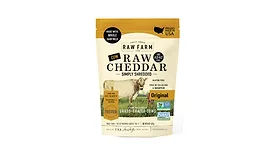
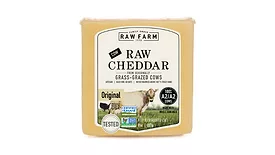
The E. coli outbreak involving Raw Farm unpasteurized dairy products has ended with one raw cheese sample matching isolates from a different 2025 outbreak. In an April 29 hearing, Congresspeople questioned whether U.S. Health Secretary Kennedy influenced FDA’s failure to mandate a recall.
In 2025, a genetically unique hybrid STEC/STEC strain was the cause of a foodborne illness outbreak that affected exclusively adults, with 90 percent of patients developing hemolytic uremic syndrome (HUS) and three deaths occurring.
During its investigation of an ongoing Escherichia coli O157:H7 outbreak involving Raw Farm-brand unpasteurized cheddar cheese, FDA detected E. coli in a product sample not matching the current outbreak strain, but instead matching a strain from a different 2025 outbreak.
The company says the recall is being issued “under protest” and “as a path forward,” while continuing to contest the epidemiological evidence provided by FDA.
Nearly all of the ill people interviewed reported consuming Raw Farm-brand raw dairy products. Testing and an onsite inspection of Raw Farm’s operation in California is ongoing. Raw Farm LLC has yet to issue a recall.
“If mandatory authority needs to be strengthened, the Food Safety Caucus stands ready to tackle this issue at FDA’s request,” wrote Congress members in a statement about the ongoing E. coli outbreak involving Raw Farm raw cheese products. Raw Farm has so far refused to recall.
A total of seven patients—four of whom are three years of age or younger—have been sickened in three states. Epidemiologic evidence indicates that RAW FARM-brand unpasteurized cheddar cheese products are the likely vehicle of illness, but product testing is ongoing.