Researchers Investigate Microbial Risks to Produce Growers’ Groundwater Quality, Irrigation Systems
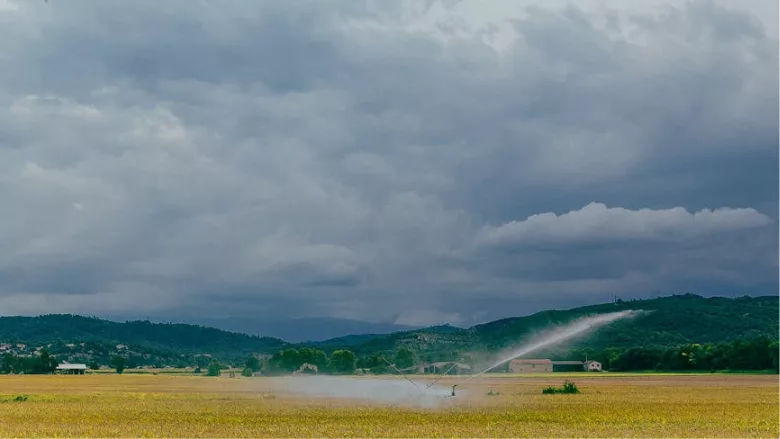
A Center for Produce Safety (CPS)-funded research project is exploring the role of groundwater quality on microbiological risks in produce growing operations.
Led by Channah Rock, Ph.D. of the University of Arizona, the two-year study aims to address knowledge gaps related to the influence of surface water and on-farm water distribution systems on groundwater quality, including the development of innovative microbial sampling techniques and the evaluation of interventions. Joining Dr. Rock as co-investigators on the project are Faith Critzer, Ph.D. of the University of Georgia and Michelle Danyluk, Ph.D. of the University of Florida.
While existing regulations and industry guidance have emphasized surface water as a contamination source, less is known about how groundwater may be affected under the influence of surface water. The study’s findings are expected to support industry efforts to better manage water quality risks and maintain compliance with produce safety requirements.
Evaluating Groundwater Risks and Sampling Methods
During the first year of the project, researchers collaborated with growers in four major U.S. produce-producing regions to review water sources and irrigation records, with the goal of identifying wells potentially influenced by surface water.
The team applied innovative, large-volume microbial sampling methods, collecting 100-liter water samples, representing a significantly greater volume than what is typically used in groundwater testing. Samples were analyzed for a range of indicators, including generic Escherichia coli, total coliforms, protozoa, and bacteriophages. The samples were also subjected to microscopic particulate analysis, which many states use to determine whether a water system is under the influence of surface water.
The researchers believe that incorporating the analysis of both traditional and non-traditional indicators with microscopic particulate analysis may improve the ability to assess the influence of surface water in groundwater systems.
Simulating Irrigation Systems to Test Mitigation Strategies
In the second year of the project, the researchers plan to construct model irrigation pipe loops at three locations, replicating the conditions of real-world water distribution systems used by participating growing operations. For example, the model pipe systems will mimic the materials, flow rates, and nitrogen inputs used by the growers.
Looking for quick answers on food safety topics?
Try Ask FSM, our new smart AI search tool.
Ask FSM →
The pipe systems will be used to evaluate how atmospheric and water quality conditions contribute to water quality degradation, including microbiological contamination and biofilm formation within irrigation infrastructure.
Once biofilms are established, the study will assess the effectiveness of common microbial contamination mitigation practices, such as pipe flushing, shock chlorination with sodium hypochlorite, and routine water treatment.
Developing Solutions for Industry
The project aims to generate practical guidance for growers, including improved sampling approaches to determine whether groundwater is influenced by surface water, and immediately actionable recommendations for mitigating contamination in irrigation systems.
Collaboration with Extension specialists and growers has been central to ensuring the study reflects real-world agricultural practices and challenges.