The growing collection includes scientific publications and guidances on detection and viability methods, agricultural water monitoring and treatment, mitigation strategies, and the biology and epidemiology of the parasite.
The Center for Produce Safety (CPS)-funded study also found that some produce items may naturally inhibit Listeria monocytogenes growth and that peracetic acid may sometimes promote Listeria growth during storage.
Studies funded by the Center for Produce Safety (CPS) are investigating ways to improve produce packinghouse brush sanitation, including the use of antimicrobial light and choosing the best time to replace brushes.
The Center for Produce Safety-funded project aims to generate practical guidance for produce growers, including improved sampling approaches to determine whether groundwater is influenced by surface water, and immediately actionable recommendations for mitigating microbial contamination and biofilms in irrigation systems.
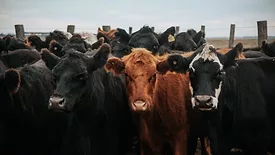
With the hope of developing a user-friendly model, a Center for Produce Safety-funded study is investigating factors that influence Escherichia coli contamination risks posed by concentrated animal feeding operations (CAFO) near produce growing fields.
Two research projects are investigating several novel techniques for detecting hepatitis A virus that eliminate false positives produced by inactivated, non-infectious RNA fragments—an issue that limits the usefulness of existing methods for indicating actual food safety risk.
An ongoing project funded by the Center for Produce Safety is investigating ways to increase the antimicrobial activity of food-grade waxes, which are commonly applied to fruit and vegetables to extend shelf life.
The Center for Produce Safety (CPS) has announced six new research projects totaling $1.8 million to address critical food safety challenges in the fresh produce industry.
An ongoing Center for Produce Safety-funded study is investigating the factors contributing to the persistence of a reoccurring, emerging, and persisting (REP) Escherichia coli O157:H7 subtype associated with leafy greens foodborne illness outbreaks, with the goal of developing a risk assessment tool for growers.
A recently completed study funded by the Center for Produce Safety (CPS) has provided new insights into Listeria monocytogenes growth, survival, and inactivation on pears during packing and in storage, and characterized microbial communities of yeasts, molds, and lactic acid bacteria.