Food Safety
search
Ask Food Safety AI
cart
facebook twitter linkedin
  • Sign In
  • Create Account
  • Sign Out
  • My Account
Food Safety
  • NEWS
    • Latest News
    • White Papers
  • PRODUCTS
  • TOPICS
    • Contamination Control
    • Food Types
    • Management
    • Process Control
    • Regulatory
    • Sanitation
    • Supply Chain
    • Testing and Analysis
  • PODCAST
  • EXCLUSIVES
    • Food Safety Five Newsreel
    • eBooks
    • FSM Distinguished Service Award
    • Interactive Product Spotlights
    • Videos
  • BUYER'S GUIDE
  • MORE
    • ENEWSLETTER >
      • Archive Issues
      • Subscribe to eNews
    • Store
    • Sponsor Insights
    • ASK FSM AI
  • WEBINARS
  • FOOD SAFETY SUMMIT
  • EMAG
    • eMagazine
    • Archive Issues
    • Editorial Advisory Board
    • Contact
    • Advertise
  • SIGN UP!
NewsContamination ControlFood TypeManagementSupply ChainRisk AssessmentMicrobiologicalProduceGrowers/GAPs

User-Friendly Microbial Risk Assessment Tool for California Produce Growers in Development
By Food Safety Magazine Editorial Team
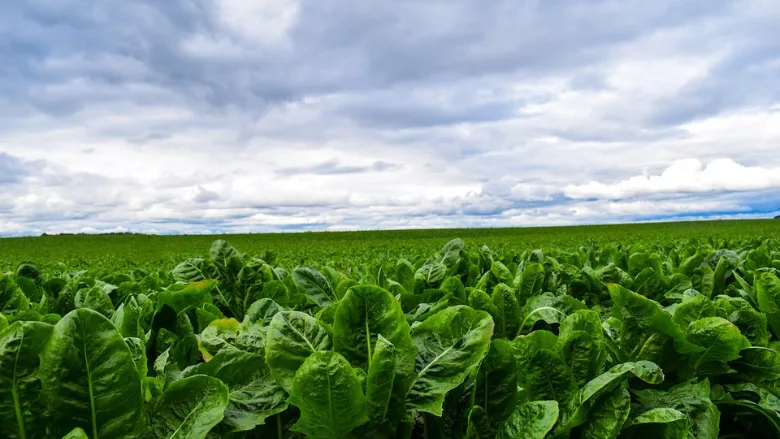
lettuce farm

Image credit: Hundankbar via Pixabay

September 26, 2024

An ongoing project aims to make food safety science more accessible and actionable for California produce growers through a user-friendly risk assessment tool that will assess the risks of production practices and provide possible mitigation measures. The work is led by University of California, Davis (UC Davis) Professor and researcher Alda Pires, Ph.D., D.V.M., M.P.V.M., and is supported by the Center for Produce Safety (CPS).

The tool will leverage existing science about the environmental and geographical influences of produce farming on potential foodborne illness outbreaks caused by Escherichia coli. The initial model of the tool will be designed for growers in the Salinas Valley, California growing region—an important produce production area that has been the source of recent, significant foodborne illness outbreaks—but Dr. Pires and her team intend to modify the tool for use in the California Imperial Valley as well. Additionally, the tool will be specific to E. coli because the pathogen has been the cause of many of the foodborne illness outbreaks originating from Salinas Valley.

Because each growing region is unique, the tool must consider different areas’ geographies, water resources, soils and agricultural practices; however, it is possible that the tool may be applicable to other production regions with landscapes and climates comparable to Salinas Valley or the Imperial Valley.

The researchers’ goal is to design an online, easy-to-use tool that will draw from both publicly available and proprietary data on landscape, land use, and weather-related factors. Users will enter details about their unique farming operations, such as their water resources, irrigation, crops, soil types and amendments, management practices, nearby agricultural activities, and location. From this, the tool will to produce results in a visual and simple-to-understand format, including an individual microbial risk score and an actionable list of mitigation measures.

When beginning the project, the researchers consulted stakeholders from the produce and beef cattle industries to guide the development of the quantitative microbial risk assessment model (QRMA) behind the tool, and to ensure the results have real-world applications. The California Agricultural Neighbors project—a joint public health protection effort launched by the California Department of Food and Agriculture and the Monterey County Farm Bureau in response to a 2021 E. coli outbreak—will also be consulted.

QMRA model development is currently underway, with the researchers undergoing an online literature review of contamination pathways and compiling datasets. The researchers have also created a demonstration computer dashboard, which includes a risk gauge with a needle pointing to “low,” “medium,” or “high” risk potential, although the final dashboard is still being designed.

Co-principal investigators on the project include Beatriz Martinez-Lopez, Ph.D.; Gabriele Maier, Ph.D.; and Erin DiCaprio, Ph.D., all with UC Davis.

Looking for quick answers on food safety topics?
Try Ask FSM, our new smart AI search tool.
Ask FSM →


KEYWORDS: Center for Produce Safety E. coli leafy greens Salinas Valley California study UC Davis

Share This Story

Fsm purple logo 200x200

The Food Safety Magazine editorial team comprises Bailee Henderson, Digital Editor ✉; Adrienne Blume, M.A., Editorial Director; and Stacy Atchison, Publisher.

Recommended Content

JOIN TODAY
to unlock your recommendations.

Already have an account? Sign In

  • people holding baby chicks

    Serovar Differences Matter: Utility of Deep Serotyping in Broiler Production and Processing

    This article discusses the significance of Salmonella in...
    Food Type
    By: Nikki Shariat Ph.D.
  • woman washing hands

    Building a Culture of Hygiene in the Food Processing Plant

    Everyone entering a food processing facility needs to...
    Sanitation
    By: Richard F. Stier, M.S.
  • graphical representation of earth over dirt

    Climate Change and Emerging Risks to Food Safety: Building Climate Resilience

    This article examines the multifaceted threats to food...
    Contamination Control
    By: Maria Cristina Tirado Ph.D., D.V.M. and Shamini Albert Raj M.A.
Manage My Account
  • eMagazine Subscription
  • Subscribe to eNewsletter
  • Manage My Preferences
  • Website Registration
  • Subscription Customer Service

More Videos

Sponsored Content

Sponsored Content is a special paid section where industry companies provide high quality, objective, non-commercial content around topics of interest to the Food Safety Magazine audience. All Sponsored Content is supplied by the advertising company and any opinions expressed in this article are those of the author and not necessarily reflect the views of Food Safety Magazine or its parent company, BNP Media. Interested in participating in our Sponsored Content section? Contact your local rep!

close
  • Salmonella bacteria
    Sponsored byThermoFisher

    Food Microbiology Testing Methods: Salmonella species

  • a diagram explaining indicator organisms
    Sponsored byHygiena

    How Proactive Listeria Testing Helps Prevent Six- and Seven-Figure Recalls

  • woman grocery shopping
    Sponsored byCorbion

    Designing Safety Into Every Bite: Proactive Risk Mitigation for Refrigerated Foods

Popular Stories

baby eating bottle

Infant Botulism Spike Exceeds 100 Cases, Extent of ByHeart's Involvement Unclear

NRTE breaded stuffed chicken

USDA Indefinitely Delays Enforcement of Salmonella as Adulterant in Raw Breaded, Stuffed Chicken

digital map of europe

EU Publishes Food Fraud Tool Mapping Thousands of Cases Since 2016

Events

December 11, 2025

How to Develop and Implement an Effective Food Defense Strategy

Live: December 11, 2025 at 2:00 pm EDT: From this webinar, attendees will learn common areas where companies encounter challenges in their food defense strategies and how to address them.

May 11, 2026

The Food Safety Summit

Stay informed on the latest food safety trends, innovations, emerging challenges, and expert analysis. Leave the Summit with actionable insights ready to drive measurable improvements in your organization. Do not miss this opportunity to learn from experts about contamination control, food safety culture, regulations, sanitation, supply chain traceability, and so much more.

View All

Products

Global Food Safety Microbial Interventions and Molecular Advancements

Global Food Safety Microbial Interventions and Molecular Advancements

See More Products

Related Articles

  • romaine lettuce leaves up close

    Arizona, California LGMA’s New Environmental Risk Assessment Tool Helps Leafy Greens Farmers

    See More
  • common blackbird

    Researchers Developing Automatic AI Deterrent Technology for High-Risk Birds in Produce Fields

    See More
  • greek salad

    Review Identifies Gaps in Existing Quantitative Risk Assessment Models for Listeria on Produce

    See More

Related Products

See More Products
  • food safety.jpg

    Food Safety Contaminants and Risk Assessment

  • 1119160553.jpg

    Food Safety: Innovative Analytical Tools for Safety Assessment

  • global food.jpg

    Global Food Safety Microbial Interventions and Molecular Advancements

See More Products
×

Never miss the latest news and trends driving the food safety industry

eNewsletter | Website | eMagazine

JOIN TODAY!
  • RESOURCES
    • Advertise
    • Contact Us
    • Directories
    • Store
    • Want More
  • SIGN UP TODAY
    • Create Account
    • eMagazine
    • eNewsletter
    • Customer Service
    • Manage Preferences
  • SERVICES
    • Marketing Services
    • Reprints
    • Market Research
    • List Rental
    • Survey/Respondent Access
  • STAY CONNECTED
    • LinkedIn
    • Facebook
    • Instagram
    • X (Twitter)
  • PRIVACY
    • PRIVACY POLICY
    • TERMS & CONDITIONS
    • DO NOT SELL MY PERSONAL INFORMATION
    • PRIVACY REQUEST
    • ACCESSIBILITY

Copyright ©2025. All Rights Reserved BNP Media.

Design, CMS, Hosting & Web Development :: ePublishing