GEA InsightPartner EvoHDry is a digital condition monitoring tool developed to support operational reliability in facilities producing items like infant formula, cream, evaporated milk, condensed milk, and cheese.
Designed specifically for potato chips, tortilla chips, and similar snack foods, the belt-fed sorting system identifies and removes product defects and foreign material to protect food safety and product quality.
In response to a petition submitted by Cargill, FDA has amended existing regulations to provide for the use of hydrogen peroxide in food production, including meat and poultry, as an antimicrobial agent, oxidizing and reducing agent, and bleaching agent, and to remove sulfur dioxide.
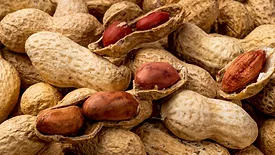
A French analysis of anaphylaxis cases revealed eight foods causing a notable number of allergic reactions, which are not included on the EU list of major food allergens requiring mandatory labeling. The researchers recommend four of these hidden allergens for inclusion on the list.
SÜDPACK has unified its high-performance tubular pouch films from the premium Pure-Line range, made from polypropylene (PP) and polyethylene (PE), into a dedicated product family, now marketed under the CarbonLite brand.
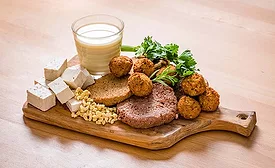
Intended to prevent misleading or inconsistent labeling of plant-based foods, the national vegan-certified labeling scheme is voluntary and is in line with ISO standards.
A study from the University of Florida College of Veterinary Medicine suggests that commensal Escherichia coli strains could be utilized to mitigate antibiotic-resistant nontyphoidal Salmonella Heidelberg, ultimately improving food safety.
Per- and polyfluoroalkyl substances (PFAS) are ubiquitous in food, cosmetics, and pharmaceuticals. Part 2 of this article series discusses the application of several problem-solving analytical tools to the PFAS crisis, as well as the impacts of PFAS on the United Nations' Sustainable Development Goals (SDGs) for 2030.