The reviewed studies reported B. cereus contamination in different foods at rates ranging from approximately 15 percent to more than 70 percent. In a study focused on Burkina Faso, B. cereus was detected in 42 percent of tested infant cereals.
The proposal would expand the Threshold of Regulation (TOR) exemption to include food additives and ingredients, which would allow chemicals to enter the U.S. food supply without oversight if they meet TOR criteria. TOR submissions only require minimal data rather than comprehensive safety evidence.
The Baby Food Protection Act aims to set enforceable limits for total arsenic, lead, cadmium, and mercury, as well as a state testing program and labeling requirements for manufacturers.
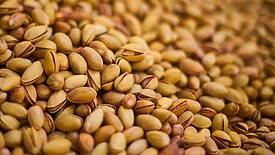
Sodium hypochlorite (NaOCl), a chlorine-based chemical used to bleach tree nut shells for aesthetic purposes, can react with fatty acids in the edible kernels to form potentially harmful fatty acid chlorohydrins. Researchers called for further toxicological evaluation of these process contaminants.
Hundreds of grocery stores in France were targeted by a cyberattack in which hackers raised fridge temperatures to as high as 50 °C (122 °F), leading to mass food spoilage and several fires. Some retailers in several other European countries were also hit.
The Food Standards Australia New Zealand (FSANZ) Board approved an application to permit the use of cell-cultured duck biomass in combination with other ingredients to make products such as foie gras and pâté.
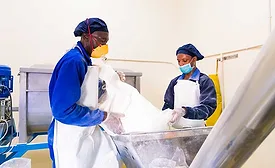
Respondents generally reported sanitation practices intended to minimize water introduction, but opportunities remained to improve relative humidity management, standardize understanding of sanitation breaks, and better characterize the relationship between moisture management and microbial contamination risks.
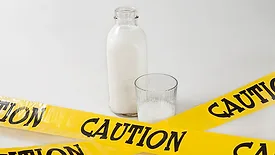
The policy statement comes as raw milk consumption rises in popularity due to high-profile individuals and influencers touting its purported health benefits, and in the wake of a highly publicized case of a California toddler who fell severely ill after being infected with E. coli from raw goat’s milk.
WHO and FAO convened 352 participants from more than 40 countries to strengthen multisectoral food safety emergency response planning in Africa and the Middle East, covering emergencies like natural disasters, humanitarian emergencies, and food supply chain disruptions.
The researchers concluded that no single alternative currently fulfills all of the antimicrobial and technological functions provided by conventional nitrites and nitrates. Instead, they identified hurdle technology as the most promising approach.
 RSS
RSS