FDA Releases Initial Findings from Foodborne Pathogen Study in California Growing Region
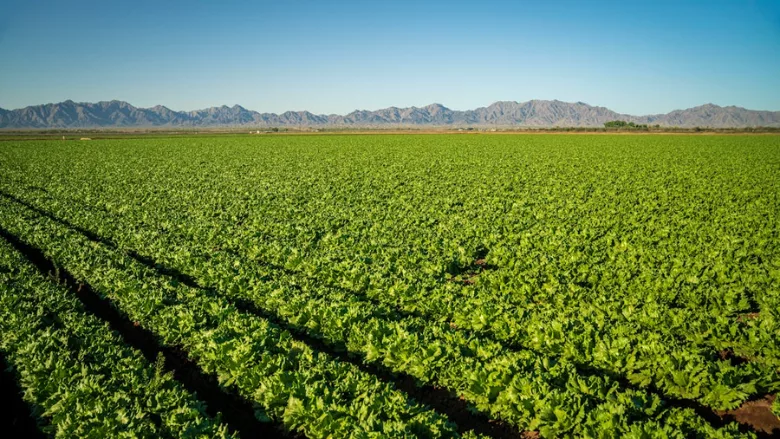
The U.S. Food and Drug Administration (FDA) has shared initial findings from a multi-year environmental study examining factors that may contribute to the introduction, persistence, and spread of foodborne pathogens in California’s Central Coast agricultural region. The research was intended to inform strategies to improve produce safety.
The California Longitudinal Study, launched in 2020, was conducted in partnership with the Western Center for Food Safety at the University of California, Davis; the California Department of Food and Agriculture; and regional agricultural stakeholders.
Study Examines Environmental Sources of Produce Contamination
California’s Central Coast is a major, year-round agricultural region producing more than 400 commodities. The region has also been associated with periodic foodborne illness outbreaks, including several outbreaks between 2016 and 2020 linked to the same Escherichia coli O157:H7 strain.
FDA said the study was designed to better understand environmental conditions that may contribute to preharvest contamination of produce with foodborne pathogens. Researchers used an adaptive study design that allowed sampling sites, matrices, and collection frequency to be refined over time.
Through repeated environmental sampling and analysis, the research team evaluated pathogen prevalence across the region and assessed factors that may influence their presence, including seasonality, weather conditions, and activity from domesticated and wild animals in surrounding areas.
Wildlife and Livestock Identified as Frequent Sources of STEC
Initial findings focused on E. coli O157:H7 and other Shiga toxin-producing E. coli (STEC).
According to FDA, fecal samples from rangeland beef cattle, feral pigs, deer, birds, and coyotes frequently contained STEC. Viable STEC was recovered from both fresh fecal material and older, dried feces collected in the study area, suggesting the pathogen can remain viable in fecal material for extended periods.
Looking for quick answers on food safety topics?
Try Ask FSM, our new smart AI search tool.
Ask FSM →
Surface Water and Sediment May Support Pathogen Persistence
The study also evaluated environmental reservoirs that may influence pathogen movement.
Researchers observed STEC in surface waters and associated sediments, suggesting these environments may facilitate both persistence and movement of the pathogen across the region. STEC was detected in water and sediment from rivers and creeks, and less frequently in irrigation tailwater and tailwater sediment collected at field edges.
Conversely, STEC was not recovered in a substantial number of soil or air samples, indicating these environmental matrices were unlikely to play a major role in pathogen spread within the study area.
Multiple STEC Strains Identified in Environmental Samples
Researchers isolated 12 different E. coli O157:H7 strains from environmental samples. The strain responsible for recurring outbreaks in the region between 2018 and 2020 was not recovered, however.
Genetic analysis showed that STEC isolates recovered from wildlife feces matched strains found in cattle feces, other wildlife feces, and in some cases, environmental samples such as water, sediment, and soil. The same strain was sometimes detected in locations up to 70 miles apart and as much as 15 months apart, suggesting wildlife may contribute to the regional movement of the pathogen.
A total of six highly pathogenic STEC serotypes were identified (i.e., O157:H7, O26:H11, O103:H2, O111:H8, O121:H19, and O145:H28), and some strains persisted in the environment for nearly two years.
Additional Pathogen Analyses, Forthcoming Stakeholder Engagement
FDA said the research team is continuing to analyze Salmonella and Campylobacter data collected during the study. To date, 606 Salmonella isolates and 428 Campylobacter isolates have been recovered and are undergoing whole genome sequencing (WGS).
FDA said it will engage with agricultural stakeholders to discuss the study findings and support the development of practices aimed at managing contamination risks from identified sources.
Additional data and publications from the California Longitudinal Study will be posted to the agency’s webpage as they become available.