Food Safety
search
Ask Food Safety AI
cart
facebook twitter linkedin
  • Sign In
  • Create Account
  • Sign Out
  • My Account
Food Safety
  • NEWS
    • Latest News
    • White Papers
  • PRODUCTS
  • TOPICS
    • Contamination Control
    • Food Types
    • Management
    • Process Control
    • Regulatory
    • Sanitation
    • Supply Chain
    • Testing and Analysis
  • PODCAST
  • EXCLUSIVES
    • Food Safety Five Newsreel
    • eBooks
    • FSM Distinguished Service Award
    • Interactive Product Spotlights
    • Videos
  • BUYER'S GUIDE
  • MORE
    • ENEWSLETTER >
      • Archive Issues
      • Subscribe to eNews
    • Store
    • Sponsor Insights
    • ASK FSM AI
  • WEBINARS
  • FOOD SAFETY SUMMIT
  • EMAG
    • eMagazine
    • Archive Issues
    • Editorial Advisory Board
    • Contact
    • Advertise
  • SIGN UP!
News

FDA Announces New Sampling Plan for Romaine Grown in Yuma, AZ Growing Region
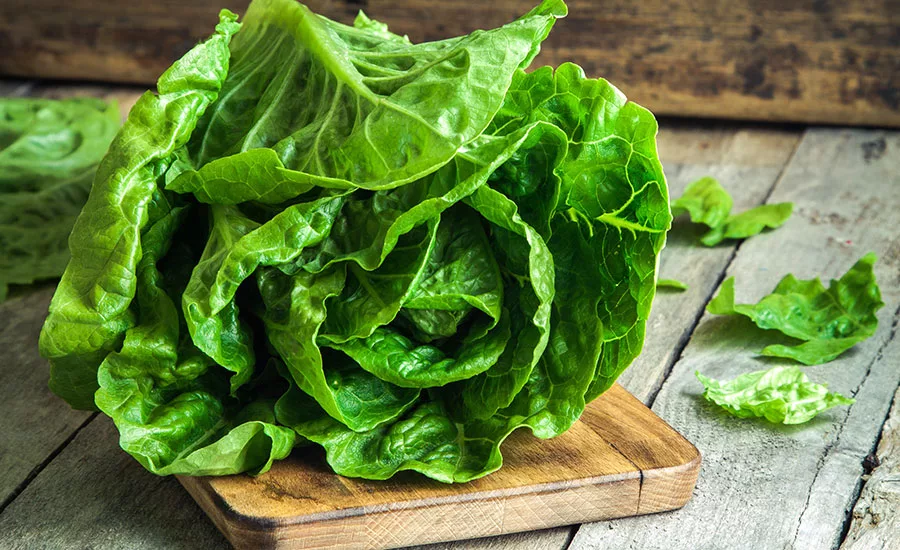
lettuce
February 5, 2021

The U.S. Food and Drug Administration (FDA) is launching an assignment to collect romaine lettuce samples from commercial coolers in the Yuma County, Arizona growing region during the current harvest season. The samples will be tested for Shiga toxin-producing Escherichia coli and Salmonella spp. as part of ongoing surveillance efforts  following the spring 2018 multistate E. coli O157:H7 outbreak of foodborne illness linked to romaine lettuce from the Yuma agricultural region. Salmonella spp. also commonly causes foodborne illness outbreaks in the United States, which have at times been linked to romaine lettuce consumption.

The FDA plans to begin collecting samples of romaine lettuce from commercial coolers in February and intends to continue sampling through the end of the romaine harvest season in Yuma. The FDA assignment will focus on commercial cooler and cold storage facilities where field heat is removed from harvested romaine and where product is cold stored before processing and shipment. The focus on these sites enables the FDA to efficiently collect samples from multiple farms at centralized locations, following  a similar model used during an assignment conducted in FY19.

The agency plans to collect and test approximately 500 samples of romaine lettuce for this assignment. Each sample will consist of 10 subsamples, and each subsample will be made up of at least 300 grams of romaine lettuce (whole heads, hearts or individual leaves). All samples will be collected prior to processing of the lettuce as well as prior to any handling by workers at the cooling and cold storage facilities. 

The FDA has contracted with an independent laboratory located in Arizona near the collection sites to test the samples. Using this laboratory will help to greatly reduce the time between sample collection and the reporting of the results. The FDA expects to receive test results within 24 hours of the laboratory receiving the samples, which will then be relayed to the firms. FDA understands that industry may choose to hold the sampled lots pending notification of test results to help prevent potential recalls of any contaminated lettuce that could have entered commerce.

During this sampling assignment, the FDA will take extra precautions to help ensure the safety of agency investigators and firm employees during the coronavirus pandemic. FDA investigators will preannounce their visits to firms and will be outfitted with personal protective equipment and otherwise equipped to carry out their work while adhering to state and local guidance as well as applicable U.S. Centers for Disease Control and Prevention guidance.

Helping ensure the safety of leafy greens continues to be a priority of the FDA. This assignment adds to other work underway in collaboration with stakeholders in the Yuma agricultural region to implement actions identified in the Leafy Greens Action Plan, including a multi-year study to assess the environmental factors that impact the presence of foodborne pathogens in this region. Consistent with the action plan, the agency will engage with industry on conducting root cause analyses for any positive samples found during this assignment. Root cause analyses are important in that they seek to identify potential sources and routes of contamination, inform what preventive measures are needed, and help prevent outbreaks of foodborne illness.

Looking for quick answers on food safety topics?
Try Ask FSM, our new smart AI search tool.
Ask FSM →


KEYWORDS: FDA lettuce

Share This Story

Recommended Content

JOIN TODAY
to unlock your recommendations.

Already have an account? Sign In

  • people holding baby chicks

    Serovar Differences Matter: Utility of Deep Serotyping in Broiler Production and Processing

    This article discusses the significance of Salmonella in...
    Microbiological
    By: Nikki Shariat Ph.D.
  • woman washing hands

    Building a Culture of Hygiene in the Food Processing Plant

    Everyone entering a food processing facility needs to...
    Food Prep/Handling
    By: Richard F. Stier, M.S.
  • graphical representation of earth over dirt

    Climate Change and Emerging Risks to Food Safety: Building Climate Resilience

    This article examines the multifaceted threats to food...
    Risk Assessment
    By: Maria Cristina Tirado Ph.D., D.V.M. and Shamini Albert Raj M.A.
Manage My Account
  • eMagazine Subscription
  • Subscribe to eNewsletter
  • Manage My Preferences
  • Website Registration
  • Subscription Customer Service

More Videos

Sponsored Content

Sponsored Content is a special paid section where industry companies provide high quality, objective, non-commercial content around topics of interest to the Food Safety Magazine audience. All Sponsored Content is supplied by the advertising company and any opinions expressed in this article are those of the author and not necessarily reflect the views of Food Safety Magazine or its parent company, BNP Media. Interested in participating in our Sponsored Content section? Contact your local rep!

close
  • Salmonella bacteria
    Sponsored byThermoFisher

    Food Microbiology Testing Methods: Salmonella species

  • a diagram explaining indicator organisms
    Sponsored byHygiena

    How Proactive Listeria Testing Helps Prevent Six- and Seven-Figure Recalls

  • woman grocery shopping
    Sponsored byCorbion

    Designing Safety Into Every Bite: Proactive Risk Mitigation for Refrigerated Foods

Popular Stories

NRTE breaded stuffed chicken

USDA Indefinitely Delays Enforcement of Salmonella as Adulterant in Raw Breaded, Stuffed Chicken

non-conforming product

How to Handle Non-Conforming Product

spoonfuls of food ingredients

FDA’s Developing Rule to Tighten GRAS Oversight Moves to White House

Events

December 11, 2025

How to Develop and Implement an Effective Food Defense Strategy

Live: December 11, 2025 at 2:00 pm EDT: From this webinar, attendees will learn common areas where companies encounter challenges in their food defense strategies and how to address them.

May 11, 2026

The Food Safety Summit

Stay informed on the latest food safety trends, innovations, emerging challenges, and expert analysis. Leave the Summit with actionable insights ready to drive measurable improvements in your organization. Do not miss this opportunity to learn from experts about contamination control, food safety culture, regulations, sanitation, supply chain traceability, and so much more.

View All

Products

Global Food Safety Microbial Interventions and Molecular Advancements

Global Food Safety Microbial Interventions and Molecular Advancements

See More Products

Related Articles

  • FDA Tests Romaine Lettuce in Yuma Growing Region for Pathogens

    See More
  • romaine lettuce, black background

    FDA Announces Findings From Sampling of Romaine Lettuce in Yuma, AZ

    See More
  • FDA Update on Romaine Lettuce Outbreak as Yuma, AZ, Growing Season Begins

    See More

Related Products

See More Products
  • 1118396308.jpg

    High Throughput Analysis for Food Safety

  • 1119053595.jpg

    Food Safety for the 21st Century: Managing HACCP and Food Safety throughout the Global Supply Chain, 2E

  • 1119160553.jpg

    Food Safety: Innovative Analytical Tools for Safety Assessment

See More Products

Related Directories

  • QualiTru Sampling Systems

    Since 1983, QualiTru Sampling Systems® (formerly QMI) has been the leader in the science of aseptic liquid sampling with innovative, easy-to-use, versatile and cost‑effective sampling systems that help the dairy, beverage and liquid food industries produce safe, quality products across the U.S. and in over 30 countries worldwide.
×

Never miss the latest news and trends driving the food safety industry

eNewsletter | Website | eMagazine

JOIN TODAY!
  • RESOURCES
    • Advertise
    • Contact Us
    • Directories
    • Store
    • Want More
  • SIGN UP TODAY
    • Create Account
    • eMagazine
    • eNewsletter
    • Customer Service
    • Manage Preferences
  • SERVICES
    • Marketing Services
    • Reprints
    • Market Research
    • List Rental
    • Survey/Respondent Access
  • STAY CONNECTED
    • LinkedIn
    • Facebook
    • Instagram
    • X (Twitter)
  • PRIVACY
    • PRIVACY POLICY
    • TERMS & CONDITIONS
    • DO NOT SELL MY PERSONAL INFORMATION
    • PRIVACY REQUEST
    • ACCESSIBILITY

Copyright ©2025. All Rights Reserved BNP Media.

Design, CMS, Hosting & Web Development :: ePublishing