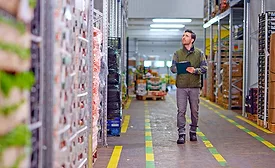
The FDA Food Traceability Rule is still coming. While the FDA has proposed extending the compliance date to July 20, 2028, and says it won’t enforce the rule before then, now is the time to prepare. Use this extra time to identify gaps, strengthen your traceability processes, and avoid scrambling as the deadline approaches. Download the Food Traceability Survival Kit to learn more and get the resources you need to prepare.
How ready is your operation for the FDA Food Traceability Rule? This 10-question self-assessment evaluates key areas of FSMA 204 compliance, from tracking CTEs and KDEs to supplier readiness, data quality, and mock recalls. Use your results to identify gaps, prioritize next steps, and strengthen your traceability strategy. Download the Food Traceability Survival Kit to learn more and start preparing.
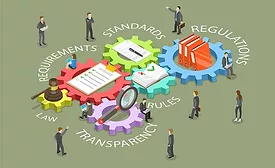
The Regulatory and Laboratory Training System (RLTS), built on the National Curriculum Standards, represents the next generation of training for regulatory food protection professionals. It is guided by a national steering committee that includes FDA, CDC, USDA, NEHA, NACCHO, APHL, AFDO, and other organizations.
American Feed Industry Association criticizes the MAHA Report for unjustly blaming health concerns on modern food and agriculture while ignoring current regulatory systems designed to promote public and animal health.
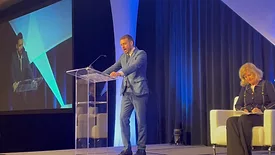
At the 2025 Food Safety Summit, the much-anticipated Town Hall session on Thursday featured a candid discussion and attendee Q&A with officials from FDA, USDA-FSIS, CDC, and AFDO.
This article examines the health risks of PFAS migration from food packaging, and how food and beverage companies can go about phasing out their use to comply with U.S. Food and Drug Administration (FDA) regulations and state laws.
This article focuses on one of the three branches within the newly created U.S. Food and Drug Administration (FDA) Human Foods Program—the Office of Food Chemical Safety, Dietary Supplements, and Innovation—and its potential impact on food packaging.
FDA’s Final Food Traceability Rule is driving necessary changes to the U.S.’s currently limited traceability system. Industry must continue to build upon the progress it has already made to move the nation toward a harmonized, interoperable traceability system.
In the first of this two-part episode of Food Safety Matters, we interviewed professionals from the industry, regulatory, and nonprofit sectors, live from the show floor of the Food Safety Summit, which took place on May 6–9 in Rosemont, Illinois. We discussed food safety culture, food safety regulation for cannabis-infused edibles, traceability, legacy facilities and equipment, and more.
On Demand:From this webinar, attendees will recognize patterns in food policy affecting dietary guidelines, UPFs, state legislative actions, and expected GRAS reform.
On Demand: Attend this webinar to learn how environmental monitoring, rapid pathogen detection, and risk-based testing strengthen seafood safety programs.