Food Safety
search
Ask Food Safety AI
cart
facebook twitter linkedin instagram youtube
  • Sign In
  • Create Account
  • Sign Out
  • My Account
Food Safety
  • NEWS
    • Latest News
    • White Papers
  • PRODUCTS
  • TOPICS
    • Contamination Control
    • Food Types
    • Management
    • Process Control
    • Regulatory
    • Sanitation
    • Supply Chain
    • Testing and Analysis
  • PODCAST
  • EXCLUSIVES
    • Food Safety Five Newsreel
    • eBooks
    • FSM Distinguished Service Award
    • Interactive Product Spotlights
    • Videos
  • BUYER'S GUIDE
  • MORE
    • NEWSLETTERS >
      • Archive Issues
      • Subscribe to eNews
    • Store
    • Sponsor Insights
    • ASK FSM AI
  • WEBINARS
  • FOOD SAFETY SUMMIT
  • EMAG
    • eMagazine
    • Archive Issues
    • Editorial Advisory Board
    • Contact
    • Advertise
  • SIGN UP!
NewsContamination ControlProcess ControlRegulatoryAllergen ControlPackagingInternational Standards/Harmonization

EU Considers Adoption of Harmonized Precautionary Allergen Labeling Rules
By Bailee Henderson
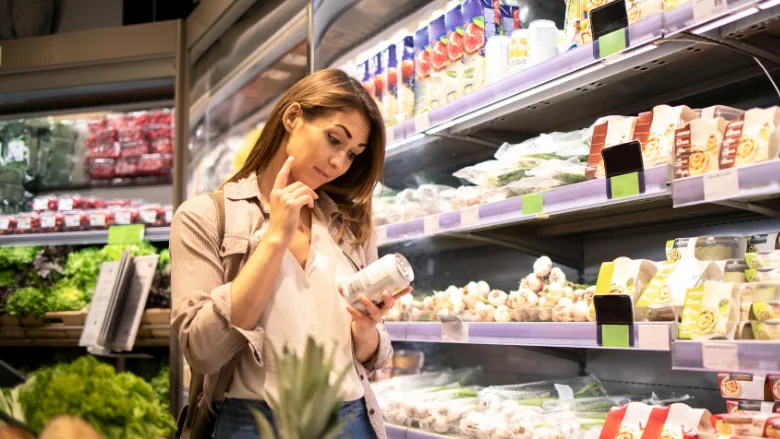
grocery shopper examining label on a can
Image credit: aleksandarlittlewolf via Freepik
February 27, 2026

The European Commission has posted a forthcoming draft act to its public feedback portal on harmonized requirements for the use of voluntary Precautionary Allergen Labeling (PAL) statements. Adoption of this regulation is planned for the fourth quarter of 2027.

According to the posting, harmonized PAL requirements would give consumers with allergies clear and consistent information, prevent unnecessary food-choice restrictions, and support the market by ensuring a level playing field for food businesses.

Voluntary PAL statements on food products are intended to protect allergic consumers from accidentally eating foods containing undeclared allergens that may cause a reaction.

The Need for Harmonized PAL

At present, despite food allergies affecting more than 10 percent of global consumers, EU Member States maintain their own, differing rules on the management of unintentional allergens in food products, which experts say leads to consumer uncertainty and limited choices for allergic people, and hinders collaboration between laboratories.

Some experts also assert that the lack of harmonized PAL standards may lead to their overuse and inconsistent application, potentially eroding their risk communication effectiveness.

Global Progress Toward Harmonized PAL

Addressing the need for a harmonized approach to PAL, the Food and Agriculture Organization of the United Nations (FAO) and the World Health Organization (WHO) recently published a Codex framework for risk-based labeling of priority allergens, establishing threshold levels and reference doses for different allergenic foods. Studies have shown that adoption of these recommended thresholds would be widely protective of the allergic population.

Regulatory bodies like the U.S. Food and Drug Administration and the UK Food Standards Agency are considering adopting Codex-recommended thresholds for national allergen labeling guidance.

Looking for quick answers on food safety topics?
Try Ask FSM, our new smart AI search tool.
Ask FSM →


KEYWORDS: EU Europe precautionary allergen labeling

Share This Story

Baileehendersonmay23

Bailee Henderson is the Digital Editor of Food Safety Magazine, where she covers industry-relevant current events, regulatory affairs, and scientific developments. She also produces the Food Safety Five Newsreel. Notably, Bailee's coverage for Food Safety Magazine has been featured in national televised news segments including CBS Sunday Morning and MSNBC's Rachel Maddow Show. She can be reached at hendersonb@bnpmedia.com.

Recommended Content

JOIN TODAY
to unlock your recommendations.

Already have an account? Sign In

  • people holding baby chicks

    Serovar Differences Matter: Utility of Deep Serotyping in Broiler Production and Processing

    This article discusses the significance of Salmonella in...
    Methods
    By: Nikki Shariat Ph.D.
  • woman washing hands

    Building a Culture of Hygiene in the Food Processing Plant

    Everyone entering a food processing facility needs to...
    Training
    By: Richard F. Stier, M.S.
  • graphical representation of earth over dirt

    Climate Change and Emerging Risks to Food Safety: Building Climate Resilience

    This article examines the multifaceted threats to food...
    Risk Assessment
    By: Maria Cristina Tirado Ph.D., D.V.M. and Shamini Albert Raj M.A.
Manage My Account
  • eMagazine Subscription
  • Subscribe to Newsletters
  • Manage My Preferences
  • Website Registration
  • Subscription Customer Service

More Videos

Sponsored Content

Sponsored Content is a special paid section where industry companies provide high quality, objective, non-commercial content around topics of interest to the Food Safety Magazine audience. All Sponsored Content is supplied by the advertising company and any opinions expressed in this article are those of the author and not necessarily reflect the views of Food Safety Magazine or its parent company, BNP Media. Interested in participating in our Sponsored Content section? Contact your local rep!

close
  • NEVIFIT 3 Compartment BPA-FREE
    Sponsored byCorbion

    The Risks of Ready-to-Eat: Five Ways to Protect Today's Prepared Meals

  • a group of workers in a food production facility
    Sponsored bySkillUp by Registrar Corp

    How to Build a Better Training Program: Data and Insights from the Global Food Safety Training Survey

  • the use of dual-energy X-ray food inspection technology to identify foreign contaminants.
    Sponsored byEagle by METTLER TOLEDO

    Precision Inspection Starts with the Right X-ray Detector

Popular Stories

FSM podcast

Ep. 219: World Food Safety Day 2026

diverse group of people wearing protective clothing in food production plant

EU Member States Report Challenges in Implementing Food Safety Culture Official Controls

logistics managers in warehouse talking looking at tablet

FDA Traceability Rule Readiness Exercises Reveal Supply Chain Coordination Matters More than Technology

Events

June 16, 2026

Sustainable Food Contact Materials: Where Regulation Meets Analytical Testing

Live: June 16, 2026 at 11:00 am EDT: This webinar explores how sustainability regulations are changing food contact material requirements, including packaging compliance, unintended substances, and per- and polyfluoroalkyl substances.

June 17, 2026

Living HACCP: Practical Steps for Implementation

Live: June 17, 2026, at 12:00 pm EDT: From this webinar, attendees will understand how social norms shape the way hazards are understood, how decisions are made, and how well risks are understood and acted on across companies.

June 25, 2026

Rethinking Food Safety: Eliminating Biofilm and Building a Smarter Food Safety System

Live: June 25, 2026 at 2:00 pm EDT: Join this webinar to explore a modern approach to decontamination that goes beyond surface-level cleaning to combat biofilm and persistent pathogens.

View All

Products

Global Food Safety Microbial Interventions and Molecular Advancements

Global Food Safety Microbial Interventions and Molecular Advancements

See More Products

Related Articles

  • common food allergens and the word ALLERGY

    Codex Moves to Adopt Standardized Precautionary Allergen Labeling, Kicks UPFs Can Down the Road

    See More
  • eight common food allergens displayed on a table

    Researchers Advocate for EU-Wide Legislation on Precautionary Allergen Labeling, Harmonized Monitoring

    See More
  • UK FSA Seeks More Input on Guidance for Allergen Labeling Rules

    See More

Related Products

See More Products
  • 1119258073.jpg

    FSMA and Food Safety Systems: Understanding and Implementing the Rules

  • 9781498721776.jpg

    Handbook of Food Processing: Food Safety, Quality, and Manufacturing Processes

  • 1444333348.jpg

    Handbook of Food Safety Engineering

See More Products

Events

View AllSubmit An Event
  • May 12, 2026

    Navigating Food Allergens: Insights and Strategies for Effective Management

    On Demand: This workshop will cover essential aspects of food allergens, including allergen labeling requirements, the complexities of allergen management in manufacturing, and best practices for validating and verifying allergen cleaning processes.
View AllSubmit An Event
×

Never miss the latest news and trends driving the food safety industry

Newsletters | Website | eMagazine

JOIN TODAY!
  • RESOURCES
    • Advertise
    • Contact Us
    • Directories
    • Store
    • Want More
  • SIGN UP TODAY
    • Create Account
    • eMagazine
    • Newsletters
    • Customer Service
    • Manage Preferences
  • SERVICES
    • Marketing Services
    • Reprints
    • Market Research
    • List Rental
    • Survey/Respondent Access
  • STAY CONNECTED
    • LinkedIn
    • Facebook
    • Instagram
    • X (Twitter)
  • PRIVACY
    • PRIVACY POLICY
    • TERMS & CONDITIONS
    • DO NOT SELL MY PERSONAL INFORMATION
    • PRIVACY REQUEST
    • ACCESSIBILITY

Copyright ©2026. All Rights Reserved BNP Media, Inc. and BNP Media II, LLC.

Design, CMS, Hosting & Web Development :: ePublishing