Study Shows Filtering Shared Frying Oil Substantially Reduces Allergen Cross-Contamination Risks
Shared use of frying oil for different products is common in the food industry. However, it is largely unknown if and how much food allergens from one product may be transferred to subsequent products.
To fill this knowledge gap, a new study quantified the allergen cross-contamination that occurs in shared frying oil and evaluated the efficacy of different filters in removing allergen protein residues from oil. The study was conducted by researchers with the University of Nebraska-Lincoln and published in the Journal of Food Protection.
Shared Frying Oil Poses Allergen Cross-Contamination Risk
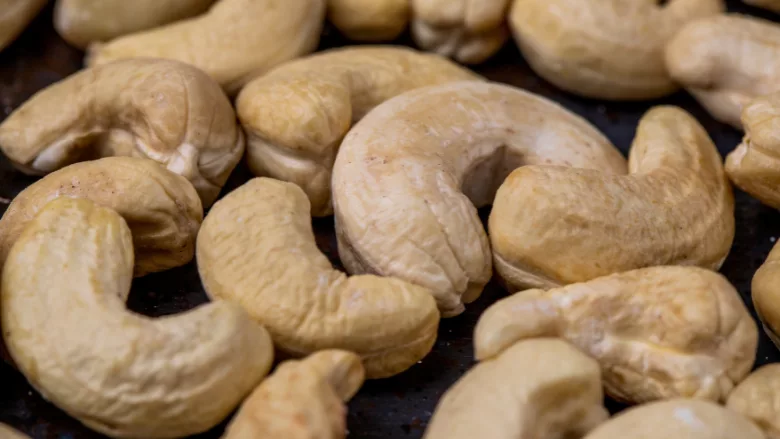
First, the researchers fried 15 batches of cashews at 100 grams (g) per batch in one liter (L) of soybean oil at 38 °C for 10 minutes and 168 °C for 3 minutes. Targeted mass spectrometry analysis detected 70–130 parts-per-million (ppm) total cashew protein in the oil after frying. Following the cashews, the researchers fried peanuts and potato slices in the same oil, which were found to contain 23 ppm and 193.5 ppm total cashew protein after frying, respectively.
Quantitative safety assessments showed that the concentrations of cashew protein transferred to the fried foods from shared oil could pose a health risk to allergic consumers, with as many as 12–17 percent of cashew allergic individuals consuming the potato chips and 5–9 percent of those consuming the peanuts estimated to have a reaction.
Filtration Substantially Mitigates Risk to Allergic Consumers
The researchers also compared nine oil cleaning methods to determine their ability to remove cashew protein from the shared oil. They found that 11-micrometer (µm) filters, 25-µm filters, and diatomaceous earth used with commercial filters were the most effective treatments in removing cashew protein residue. All three treatments successfully reduced cashew protein concentration from more than 200 ppm to less than 10 ppm. The only one of the cleaning methods tested that was not effective was a 500-µm mesh filter used on its own.
Risk reduction calculations demonstrated that with appropriate control measures, the risk associated with cashew allergen cross-contact in frying oil can be substantially mitigated. Specifically, the researchers predicted that 9 percent and 20 percent of allergic consumers could have a reaction when consuming peanuts or potato chips processed in shared frying oil, respectively. When the oil was filtered before product changeover, however, the risk of a reaction dropped to far below 5 percent of the allergic population.
Oil Cleaning Could Reduce Need for Precautionary Allergen Labeling
The “5 percent of the allergic population” metric is a risk threshold known as ED05, which is recommended by international standards-setting bodies for precautionary allergen labeling (PAL). Regulatory bodies like the U.S. Food and Drug Administration and the UK Food Standards Agency are considering adopting ED05 for national allergen labeling guidance.
Overall, the researchers concluded that, although the risk to allergic consumers posed by uncleaned shared frying oil is substantial, allergen risk can be substantially reduced using filtration that retains particles greater than 25 µm. If oil cleaning methods reduce the risk of cross-contamination below ED05, risk managers may reevaluate the necessity of using precautionary labeling (PAL).
Looking for quick answers on food safety topics?
Try Ask FSM, our new smart AI search tool.
Ask FSM →