In this episode of Food Safety Matters, we speak about gluten-free food safety from the perspectives of a person with celiac disease, a consumer advocate, and a food manufacturer, including gluten-free labeling requirements, food safety controls, gaps in U.S. labeling regulations, and policy discussions around cross-contact, precautionary labeling, thresholds, and "free-from" claims.
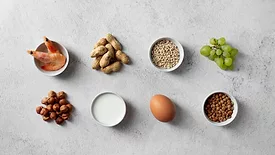
The VITAL Program and VITAL Online identify allergens that require labeling consideration, whether due to intentional inclusion or cross-contact. The update includes changes to tree nut grouping and gluten-containing cereal labeling in line with Codex reference doses (RfDs).
Other standards adopted during the 49th Session of the Codex Alimentarius Commission (CAC49), taking place July 6–10 in Geneva, Switzerland, relate to controlling Salmonella and Campylobacter in chicken and Listeria monocytogenes in RTE foods, revisions to food additive use levels, and more.
During the 49th Meeting of the Codex Committee on Food Labeling (CCFL49), guidelines on risk-based precautionary allergen labeling, labeling for multipack foods, and emergency flexible labeling were recommended for adoption. CCFL also declined a proposal to initiate work related to ultra-processed foods.
This episode covers new research on food allergen risks in processing environments, including studies on allergen recovery from environmental swabs, cross-contamination in shared frying oil, and dispersal of allergenic food powders. Also discussed is an EU proposal to harmonize precautionary allergen labeling (PAL) requirements.
Following Codex recommendations for risk-based allergen Precautionary Allergen Labeling (PAL) and thresholds, the European Commission has posted a forthcoming draft act to its public feedback portal on harmonized requirements for the use of voluntary PAL statements.
A new study quantified the allergen cross-contamination that occurs in shared frying oil and evaluated the efficacy of different filters in removing allergen protein residues from oil.
This episode of Food Safety Five discusses scientific recommendations around ultra-processed food (UPF) definitions and policy, a study demonstrating the antimicrobial efficacy of common sanitizers in potato wash water, and a review outlining the food safety risks of edible flowers. Also discussed are regulatory and standards developments in the U.S., EU, and at the international level.
At its December 2025 Board Meeting, the UK Food Standards Agency (FSA) recommended that the agency support Codex proposals on precautionary allergen labeling (PAL) and seek UK alignment with Codex PAL recommendations.