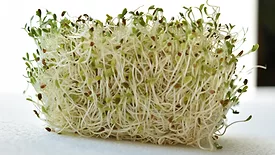
Outbreak strains include STEC serotypes O26:H11, O103:H25, and O168:H8 and one strain of Salmonella Agona. Some people were infected with more than one outbreak strain. The implicated products were distributed by Everything Sprouts LLC of Minneapolis, Minnesota.
Participants argued that reductions in listeriosis will require implementation of fundamental preventive controls, true “seek and destroy” efforts, and risk-based approaches. Dose-response models suggesting that low contamination may confer low risk were also discussed.
The organized illegal sale of foods imported from China was discovered, including animal-based foods represented as plant-based, foods with undeclared allergens, the presence of African swine fever virus, and prohibited species. Researchers examined how prohibited foods may circumvent EU border controls.
A new web portal allows small and very small establishments regulated by USDA-FSIS to submit appeals outsideof the Public Health Information System, supporting efforts to improve service and reduce regulatory burden for small meat and poultry processors.
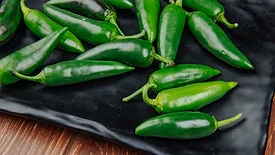
There have been 57 hospitalizations. The peppers were grown in Sinaloa, Mexico, and distributed by Coast Citrus Distributors to companies across the U.S., including Chipotle, which used its traceability system to help FDA identify the outbreak source.
A vehicle of illness has not yet been definitively confirmed, but according to UKHSA, epidemiological evidence points to egg consumption as the strongest food signal identified to date.
As a public health and medical practitioner, Dr. Overton does not have a background in food policy or food safety, but has held roles in both Trump administrations. She will replace Dr. Marty Makary, who parted ways with the agency in May.
Aligning with the agency’s priority of supporting agency in phasing out synthetic colorants from the food supply, the petitions seek expanded or new uses for gardenia (genipin) blue, safflower extract, and acetone-extracted carrot oil.
Longer application times, shorter nozzle distances, and spray patterns that deliver sufficient physical force to surfaces may contribute to improved microbial reduction. Sanitizer efficacy experiments could misrepresent real-world sanitation outcomes when shear stress and application time are not considered.
This episode of Food Safety Five discusses new research on avocado oil authenticity in processed foods, the effects of nanoplastics on bacterial biofilms in drinking water systems, factors influencing Listeria monocytogenes persistence on plastic food contact surfaces, and stress-adaptation traits that may help E. coli persist from farm to fork.
 RSS
RSS