Food Safety
search
Ask Food Safety AI
cart
facebook twitter linkedin
  • Sign In
  • Create Account
  • Sign Out
  • My Account
Food Safety
  • NEWS
    • Latest News
    • White Papers
  • PRODUCTS
  • TOPICS
    • Contamination Control
    • Food Types
    • Management
    • Process Control
    • Regulatory
    • Sanitation
    • Supply Chain
    • Testing and Analysis
  • PODCAST
  • EXCLUSIVES
    • Food Safety Five Newsreel
    • eBooks
    • FSM Distinguished Service Award
    • Interactive Product Spotlights
    • Videos
  • BUYER'S GUIDE
  • MORE
    • NEWSLETTERS >
      • Archive Issues
      • Subscribe to eNews
    • Store
    • Sponsor Insights
    • ASK FSM AI
  • WEBINARS
  • FOOD SAFETY SUMMIT
  • EMAG
    • eMagazine
    • Archive Issues
    • Editorial Advisory Board
    • Contact
    • Advertise
  • SIGN UP!
NewsContamination ControlFood TypeSupply ChainChemicalSeafoodImports/Exports

Global Seafood Trade Increases Dietary Exposure to PFAS Worldwide, Study Finds
By Bailee Henderson
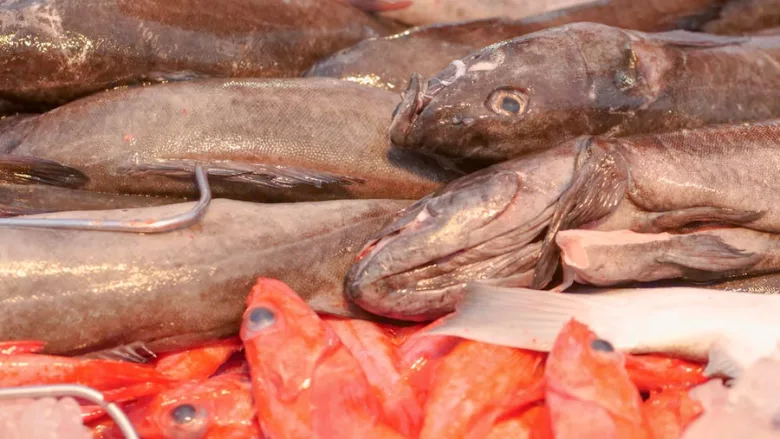
raw whole fish
Image credit: Kindel Media via Pexels
January 21, 2026

A study published in Science suggests that the global fish trade may increase the risk of per- and polyfluoroalkyl (PFAS) exposure worldwide—bringing seafood laden with “forever chemicals” to regions with low levels of environmental pollution.

There is a mounting body of evidence pointing to the health harms of dietary exposure to PFAS. Called “forever chemicals” due to their inability to break down in the environment or the human body, PFAS are used in industrial processes and consumer products, and have been linked to cancers, liver and heart damage, immune and developmental damage to infants and children, and other effects. PFAS are known to be taken up by food animals and crops from the environment.

For the present study, a team of researchers from China, Hong Kong, and North America—led by Wenhui Qiu, Ph.D. of the Southern University of Science and Technology—analyzed two decades of seawater monitoring data covering 3,126 locations around the world, using marine food web models to analyze PFAS concentrations in 212 edible marine fish species. The study integrated global data on PFAS pollution in the environment, bioaccumulation models in food webs, fish consumption, and trade, including more than 99 percent of global marine fish production.

Global State of PFAS Contamination in Seafood

Overall, the researchers determined that PFAS levels are closely related to the history of pollution and dilution capacity in marine regions. Significantly higher PFAS concentrations were found in predatory species higher up on the food chain.

Globally, the median concentration of perfluorooctanoic acid (PFOA) and perfluorooctane sulfonate (PFOS)—two pervasive PFAS of concern for public health—in marine fish was 0.34 nanograms per gram of wet weight (ng/g WW). The median level was notably higher in Asia, reaching 1.03 ng/g WW. At the high end, some marine fish species from Saudi Arabia and Thailand had PFAS concentrations of 11.72 ng/g WW and 6.06 ng/g WW, respectively.

PFOS Restrictions Shown to be Effective in Reducing Risk

Importantly, the study found that the global hazard index for PFOS fell by 72 percent after restrictions were imposed in 2009 by the Stockholm Convention, suggesting the effectiveness of regulatory efforts to mitigate PFAS pollution; however, unregulated long-chain PFAS continue to pose elevated risks, the researchers warn.

European Fish Exports Expose Consumers Worldwide to PFAS

The global median estimated daily intake (EDI) of PFOA and PFOS was also mapped based on the data, indicating higher EDIs in North America, Oceana and Europe. Importantly, in global trade, high-risk fish species like cod, herring, sea bass, salmon, tuna, and swordfish are mainly sourced from Europe and exported to other markets, exposing consumers in regions with lower levels of PFAS pollution to “forever chemicals” through contaminated imported fish.

Looking for quick answers on food safety topics?
Try Ask FSM, our new smart AI search tool.
Ask FSM →

For example, the study found that, in Italy, only 11.71 percent of fish is imported from Sweden, but these imports account for 35.82 percent of Italians’ PFOA/PFOS intake. Conversely, domestically caught fish accounts for 28.02 percent of Italian consumption but only 5.23 percent of PFOA/PFOS exposure. Similar patterns were seen in other countries, including the UK and Columbia.

Fish Characteristics that Increase PFAS Contamination Risk

In addition to the mapping exercise, researchers from the City University of Hong Kong tested locally caught fish for PFAS to determine contamination levels and trends. The team found that certain species, including blackspot threadfin, daggertooth pike conger, Indian thryssa, and burrowing goby, contained relatively high PFAS concentrations.

The researchers noted that three categories of fish tend to pose higher risk of PFAS exposure to consumers:

  • Predatory species higher up on the food chain
  • Species high in fat (e.g., salmon, herring, sardines)
  • Bottom-dwelling species.

The researchers warn that vulnerable populations such as the elderly, those who are pregnant, and those with chronic illnesses should be especially selective in their seafood choices to minimize PFAS-related risks.


KEYWORDS: PFAS study

Share This Story

Baileehendersonmay23

Bailee Henderson is the Digital Editor of Food Safety Magazine. She can be reached at hendersonb@bnpmedia.com.

Recommended Content

JOIN TODAY
to unlock your recommendations.

Already have an account? Sign In

  • people holding baby chicks

    Serovar Differences Matter: Utility of Deep Serotyping in Broiler Production and Processing

    This article discusses the significance of Salmonella in...
    Microbiological
    By: Nikki Shariat Ph.D.
  • woman washing hands

    Building a Culture of Hygiene in the Food Processing Plant

    Everyone entering a food processing facility needs to...
    Food Prep/Handling
    By: Richard F. Stier, M.S.
  • graphical representation of earth over dirt

    Climate Change and Emerging Risks to Food Safety: Building Climate Resilience

    This article examines the multifaceted threats to food...
    Best Practices
    By: Maria Cristina Tirado Ph.D., D.V.M. and Shamini Albert Raj M.A.
Manage My Account
  • eMagazine Subscription
  • Subscribe to Newsletters
  • Manage My Preferences
  • Website Registration
  • Subscription Customer Service

More Videos

Sponsored Content

Sponsored Content is a special paid section where industry companies provide high quality, objective, non-commercial content around topics of interest to the Food Safety Magazine audience. All Sponsored Content is supplied by the advertising company and any opinions expressed in this article are those of the author and not necessarily reflect the views of Food Safety Magazine or its parent company, BNP Media. Interested in participating in our Sponsored Content section? Contact your local rep!

close
  • Salmonella bacteria
    Sponsored byThermoFisher

    Food Microbiology Testing Methods: Salmonella species

  • a diagram explaining indicator organisms
    Sponsored byHygiena

    How Proactive Listeria Testing Helps Prevent Six- and Seven-Figure Recalls

  • woman grocery shopping
    Sponsored byCorbion

    Designing Safety Into Every Bite: Proactive Risk Mitigation for Refrigerated Foods

Popular Stories

brand new newborn drinking bottle

Florida Launches Food Contaminant Testing Program with Report on Metals in Infant Formula

illustration of colony of microorganisms under microscope

Food Safety Implications of Emerging Alternative Interventions for Salmonella Biofilms

cute baby in high chair feeding himself a bottle

‘Operation Stork Speed’ Expert Panel Highlights Infant Formula Safety Vulnerabilities

Events

January 27, 2026

Strategies for Reinforcing Food Safety Culture Among Temporary and Seasonal Staff

Live: January 27, 2026 at 2:00 pm EST: From this webinar, attendees will learn common areas where companies encounter challenges in their food defense strategies and how to address them.

May 11, 2026

The Food Safety Summit

Stay informed on the latest food safety trends, innovations, emerging challenges, and expert analysis. Leave the Summit with actionable insights ready to drive measurable improvements in your organization. Do not miss this opportunity to learn from experts about contamination control, food safety culture, regulations, sanitation, supply chain traceability, and so much more.

View All

Products

Global Food Safety Microbial Interventions and Molecular Advancements

Global Food Safety Microbial Interventions and Molecular Advancements

See More Products

Related Articles

  • salmon jumping upstream in a river

    One Serving of Freshwater Fish Equivalent to Drinking PFAS-Contaminated Water for a Month, U.S. Study Finds

    See More
  • a toddler eating

    Swedish Survey Raises Concerns About Toddlers’ Dietary Exposure to BPA, PFAS, Lead

    See More
  • someone lowering their fork into a plate of freshwater fish

    WHO Classifies Two Major PFAS as Carcinogenic to Humans, Underlines Risk of Dietary Exposure

    See More

Related Products

See More Products
  • 1119053595.jpg

    Food Safety for the 21st Century: Managing HACCP and Food Safety throughout the Global Supply Chain, 2E

  • global food.jpg

    Global Food Safety Microbial Interventions and Molecular Advancements

  • 9781498721776.jpg

    Handbook of Food Processing: Food Safety, Quality, and Manufacturing Processes

See More Products

Related Directories

  • Seafood Collaborators LLC

    In today's complex seafood landscape, ever-stricter standards, regulations, and initiatives are proliferating. Decades of cross-functional, global expertise enable us to offer practical solutions to seafood firms across the value chain - food safety, QMS, regulatory, supply chain risk analysis, responsible sourcing, audits, operational improvement, certification, ESG programs and more.
×

Never miss the latest news and trends driving the food safety industry

Newsletters | Website | eMagazine

JOIN TODAY!
  • RESOURCES
    • Advertise
    • Contact Us
    • Directories
    • Store
    • Want More
  • SIGN UP TODAY
    • Create Account
    • eMagazine
    • Newsletters
    • Customer Service
    • Manage Preferences
  • SERVICES
    • Marketing Services
    • Reprints
    • Market Research
    • List Rental
    • Survey/Respondent Access
  • STAY CONNECTED
    • LinkedIn
    • Facebook
    • Instagram
    • X (Twitter)
  • PRIVACY
    • PRIVACY POLICY
    • TERMS & CONDITIONS
    • DO NOT SELL MY PERSONAL INFORMATION
    • PRIVACY REQUEST
    • ACCESSIBILITY

Copyright ©2026. All Rights Reserved BNP Media.

Design, CMS, Hosting & Web Development :: ePublishing