Food Safety
search
Ask Food Safety AI
cart
facebook twitter linkedin instagram youtube
  • Sign In
  • Create Account
  • Sign Out
  • My Account
Food Safety
  • NEWS
    • Latest News
    • White Papers
  • PRODUCTS
  • TOPICS
    • Contamination Control
    • Food Types
    • Management
    • Process Control
    • Regulatory
    • Sanitation
    • Supply Chain
    • Testing and Analysis
  • PODCAST
  • EXCLUSIVES
    • Food Safety Five Newsreel
    • eBooks
    • FSM Distinguished Service Award
    • Interactive Product Spotlights
    • Videos
  • BUYER'S GUIDE
  • MORE
    • NEWSLETTERS >
      • Archive Issues
      • Subscribe to eNews
    • Store
    • Sponsor Insights
    • ASK FSM AI
  • WEBINARS
  • FOOD SAFETY SUMMIT
  • EMAG
    • eMagazine
    • Archive Issues
    • Editorial Advisory Board
    • Contact
    • Advertise
  • SIGN UP!
NewsContamination ControlSanitationMicrobiologicalEnvironmental MonitoringFacilitiesHygienic Equipment Design

Experts Share Lessons from a Successful Listeria ‘Seek and Destroy’ Process
By Bailee Henderson
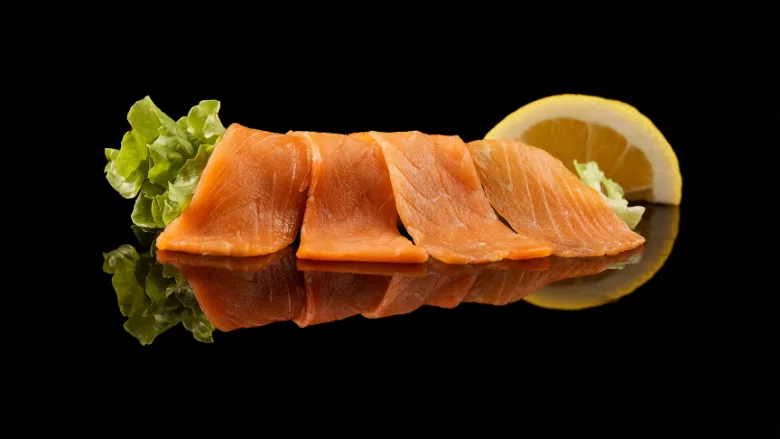
smoked salmon
Image credit: wirestock via Freepik
January 23, 2026

In a new paper published in the International Journal of Food Microbiology, researchers from the Norwegian Institute of Food, Fisheries, and Aquaculture Research (Nofima) reported on a successful “Seek and Destroy” process carried out by a smoked salmon producer implicated in a listeriosis outbreak, describing how the firm identified the source of contamination and controlled Listeria monocytogenes in its facility, and highlighting key takeaways for industry.

The Outbreaks

Between February and October 2022, an outbreak of five listeriosis cases were reported in Norway, followed by a second outbreak of seven cases in 2023. Both outbreaks were traced to cold-smoked salmon produced by the same facility (Producer A).

Whole genome sequencing (WGS) identified the outbreak strain as L. monocytogenes ST121, a subtype known for its persistence in food production environments.

Despite routine cleaning and disinfection, the pathogen continued to appear in finished products. In September 2023, Producer A launched a comprehensive Seek and Destroy process—a structured approach combining increased sampling, intensified deep cleaning, and modifications in equipment and hygiene practices.

The Seek and Destroy Process and Outcomes

Over the course of 11 weeks, 329 samples from food-contact surfaces, non-food-contact areas, and salmon fillets were analyzed. Whole genome sequencing (WGS) was conducted on 21 samples representing different sampling weeks, processing steps, and environmental sites.

During the first week, a test production experiment was performed in which portions of fillets were removed at seven different steps along the processing line and analyzed for L. monocytogenes. Findings suggested that contamination occurred after skinning and salting.

WGS analysis of positive samples collected during week one revealed two main L. monocytogenes ST121 clusters. The biggest cluster, which was likely to be the outbreak strain, included isolates from pooled surfaces from the skinning machine and from the conveyor after the skinning machine, as well as from other product and environmental samples.

Looking for quick answers on food safety topics?
Try Ask FSM, our new smart AI search tool.
Ask FSM →

The outbreak strain was still present in the facility and was transferred to fillets despite no positive samples from the surfaces of cleaned and disinfected machines, suggesting niches within machines that harbored L. monocytogenes.

The skinning machine emerged as the primary source of contamination during weeks 2–7 of the Seek and Destroy process, when it continued testing positive for L. monocytogenes after intensive deep cleaning and disassembly, including hydrogen peroxide mist treatments and heat exposure.

After the skinning machine was replaced, in weeks 8–11, no L. monocytogenes positive samples were found in salmon sampled after skinning or later in the process.

Nofima investigated the skinning machine to identify harborage sites after it was removed from the facility. The machine’s conveyor belts featured a rubber-like surface over a woven fabric layer, going against hygienic design principles that recommend impermeable, coated belt materials that prevent fluid absorption. Additionally, the mixed-material junction in the machine’s air-filled roller, comprising a plastic core with metal end fittings, also had the typical characteristics of L. monocytogenes harborage sites (i.e., limited accessibility, crevices, and moisture retention).

During the eight months following the Seek and Destroy process, L. monocytogenes was sporadically found in environmental samples, but none of nine typed isolates were part of the outbreak cluster. Additionally, none of the 220 product samples analyzed tested positive for L. monocytogenes.

Lessons for Industry

The investigation highlights several key takeaways for seafood processors:

  • Hygienic design is critical: Equipment with porous materials or complex interfaces can harbor pathogens. Conveyor belts and rollers should be made from impermeable, easily cleanable materials.
  • Chemical cleaning alone may be insufficient: Even aggressive disinfection of disassembled machines failed to eradicate L. monocytogenes. Heat treatment was effective, but could only be applied to parts that could withstand high temperatures.
  • WGS provides important insights: WGS confirmed persistence and linked isolates to outbreaks. However, high costs and limited access to public health sequence data can hinder confirmation of the removal of outbreak clones.
  • Standard swabbing can miss niches: Normal sampling with cloth swabs did not detect contamination on suspected parts; however, when Nofima immersed machine parts in Listeria pre-enrichment broth, L. monocytogenes was identified on the skinner machine belts and roller. This method is not suitable for real-world use, but it demonstrated that contamination in harborage sites may evade conventional surface sampling.

Overall, identification and removal of the contaminated skinning machine, combined with strengthened cleaning protocols, ultimately led to the successful removal of the outbreak strain from the facility. 

KEYWORDS: listeria Norway salmon Smoked fish study

Share This Story

Baileehendersonmay23

Bailee Henderson is the Digital Editor of Food Safety Magazine. She can be reached at hendersonb@bnpmedia.com.

Recommended Content

JOIN TODAY
to unlock your recommendations.

Already have an account? Sign In

  • people holding baby chicks

    Serovar Differences Matter: Utility of Deep Serotyping in Broiler Production and Processing

    This article discusses the significance of Salmonella in...
    Food Type
    By: Nikki Shariat Ph.D.
  • woman washing hands

    Building a Culture of Hygiene in the Food Processing Plant

    Everyone entering a food processing facility needs to...
    Facilities
    By: Richard F. Stier, M.S.
  • graphical representation of earth over dirt

    Climate Change and Emerging Risks to Food Safety: Building Climate Resilience

    This article examines the multifaceted threats to food...
    Best Practices
    By: Maria Cristina Tirado Ph.D., D.V.M. and Shamini Albert Raj M.A.
Manage My Account
  • eMagazine Subscription
  • Subscribe to Newsletters
  • Manage My Preferences
  • Website Registration
  • Subscription Customer Service

More Videos

Sponsored Content

Sponsored Content is a special paid section where industry companies provide high quality, objective, non-commercial content around topics of interest to the Food Safety Magazine audience. All Sponsored Content is supplied by the advertising company and any opinions expressed in this article are those of the author and not necessarily reflect the views of Food Safety Magazine or its parent company, BNP Media. Interested in participating in our Sponsored Content section? Contact your local rep!

close
  • Salmonella bacteria
    Sponsored byThermoFisher

    Food Microbiology Testing Methods: Salmonella species

  • a diagram explaining indicator organisms
    Sponsored byHygiena

    How Proactive Listeria Testing Helps Prevent Six- and Seven-Figure Recalls

  • woman grocery shopping
    Sponsored byCorbion

    Designing Safety Into Every Bite: Proactive Risk Mitigation for Refrigerated Foods

Popular Stories

brand new newborn drinking bottle

Florida Launches Food Contaminant Testing Program with Report on Metals in Infant Formula

smoked salmon

Experts Share Lessons from a Successful Listeria ‘Seek and Destroy’ Process

cute baby in high chair feeding himself a bottle

‘Operation Stork Speed’ Expert Panel Highlights Infant Formula Safety Vulnerabilities

Events

January 27, 2026

Strategies for Reinforcing Food Safety Culture Among Temporary and Seasonal Staff

Live: January 27, 2026 at 2:00 pm EST: From this webinar, attendees will learn common areas where companies encounter challenges in their food defense strategies and how to address them.

May 11, 2026

The Food Safety Summit

Stay informed on the latest food safety trends, innovations, emerging challenges, and expert analysis. Leave the Summit with actionable insights ready to drive measurable improvements in your organization. Do not miss this opportunity to learn from experts about contamination control, food safety culture, regulations, sanitation, supply chain traceability, and so much more.

View All

Products

Global Food Safety Microbial Interventions and Molecular Advancements

Global Food Safety Microbial Interventions and Molecular Advancements

See More Products

Related Articles

  • Seek & Destroy: Identifying and Controlling Listeria monocytogenes Growth Niches

    See More
  • Food Safety Matters

    Ep. 35. John Butts: Listeria—Seek and Destroy

    See More
  • Environmental Listeria Monitoring: Seek and Destroy Pathogens

    See More

Related Products

See More Products
  • food-safety-making.jpg

    Food Safety: Making Foods Safe and Free From Pathogens

  • 9781138198463.jpg

    Food Safety Management Programs: Applications, Best Practices, and Compliance

  • Food-Forensics-3D.jpg

    Food Forensics Handbook Practice, Instrumentation, Case Studies

See More Products

Events

View AllSubmit An Event
  • November 11, 2025

    Feeding the Future: How Lessons From 2025 Will Shape 2026

    On Demand: This webinar will bring together LRQA experts and industry leaders to explore how lessons from 2025 will shape 2026, focusing on building resilient, digitally enabled, and consumer-trusted food systems.
View AllSubmit An Event

Related Directories

  • Share-ify

    Share-ify is the industry leading cloud platform for corporate compliance, food safety, and quality assurance. The Share-ify system offers customers a robust enterprise solution for data sharing, auditing, food safety, traceability, and product inspections between supply partners.
×

Never miss the latest news and trends driving the food safety industry

Newsletters | Website | eMagazine

JOIN TODAY!
  • RESOURCES
    • Advertise
    • Contact Us
    • Directories
    • Store
    • Want More
  • SIGN UP TODAY
    • Create Account
    • eMagazine
    • Newsletters
    • Customer Service
    • Manage Preferences
  • SERVICES
    • Marketing Services
    • Reprints
    • Market Research
    • List Rental
    • Survey/Respondent Access
  • STAY CONNECTED
    • LinkedIn
    • Facebook
    • Instagram
    • X (Twitter)
  • PRIVACY
    • PRIVACY POLICY
    • TERMS & CONDITIONS
    • DO NOT SELL MY PERSONAL INFORMATION
    • PRIVACY REQUEST
    • ACCESSIBILITY

Copyright ©2026. All Rights Reserved BNP Media.

Design, CMS, Hosting & Web Development :: ePublishing