UK FSA Identifies Emerging Food Technologies Shaping Future Food Safety Needs
The UK Food Standards Agency (FSA) and Food Standards Scotland (FSS) have published a report identifying emerging food technologies that may generate new food safety and regulatory challenges in Great Britain over the next five to 15 years.
The analysis draws on horizon-scanning research and builds on the Food and Agriculture Organization of the United Nations’ (FAO’s) 2025 Food Safety Foresight exercise, which identified dozens of emerging innovations affecting global food systems. The report groups technologies by their expected impact and feasibility to help regulators and industry anticipate where evidence generation, guidance development, and regulatory preparedness may be needed most urgently.
Technological Areas Likely to Have the Greatest Impact on the Food System
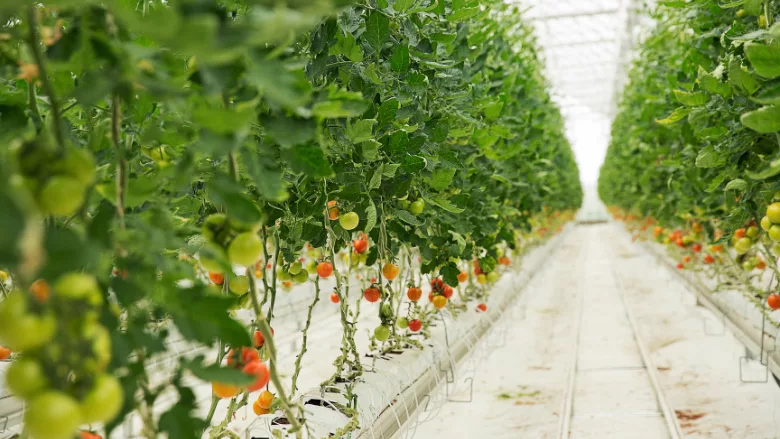
According to the report, technologies with the highest near-term combination of potential impact and practical feasibility include controlled environment agriculture (CEA) and precision fermentation.
The report also identifies structured fats (i.e., liquid oil structuring) and cellular agriculture, including cell-cultivated foods, as technologies with significant potential but where additional clarity may be needed around hazard identification, product specifications, and supporting evidence for safety assessments.
Other emerging approaches highlighted include biomass fermentation, edible insects, molecular farming, gas fermentation, and reverse food manufacturing, which involves recovering nutrients from food byproducts for use in new ingredients.
Early-stage technologies such as 3D food printing and computationally designed “new-to-nature” proteins were identified as longer-term areas for monitoring.
Cross-Cutting Food Safety Considerations
Across these innovations, the report identifies several cross-cutting food safety considerations. These include:
- Allergenicity risks associated with novel or recombinant proteins
- Microbiological hazards in closed or controlled production systems
- Chemical and material safety concerns related to processing equipment
- Potential residual impurities from bioprocessing.
The agencies also emphasize the importance of traceability and accurate consumer information as new foods enter the market.
Looking for quick answers on food safety topics?
Try Ask FSM, our new smart AI search tool.
Ask FSM →
Improving Long-Term Regulatory Preparedness
The report outlines key regulatory pathways that may apply to these technologies, including the UK’s novel foods framework, oversight where genetically modified production organisms or microorganisms are used, and precision breeding routes where relevant.
The document does not evaluate specific products or predict commercial outcomes. Instead, it is intended to support evidence-based regulatory planning and help industry anticipate future safety assessment requirements. The report was developed through the Market Authorization Innovation Research Program, a joint FSA–FSS initiative funded by the UK Department for Science, Innovation, and Technology, and complements the agencies’ Cell-Cultivated Products Regulatory Sandbox launched in 2025.
FSA and FSS said the report is designed to improve long-term regulatory preparedness and support transparent communication about emerging food technologies as they develop.