UK Releases First Guidance on Food Safety and Hygiene Requirements for Cell-Based Meat Production
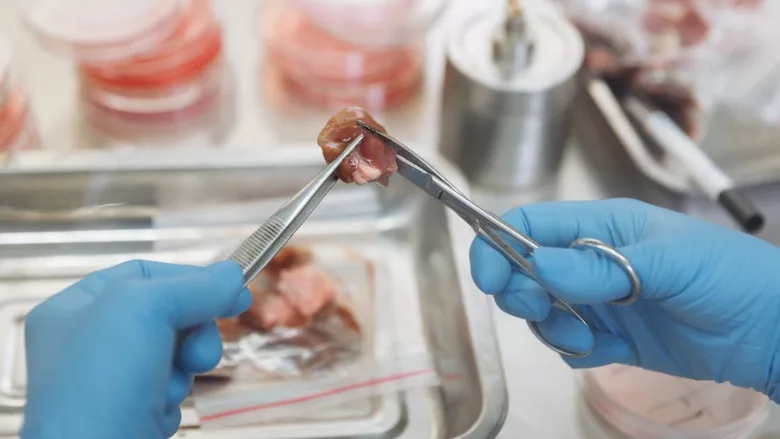
The UK Food Standards Agency (FSA) and Food Standards Scotland (FSS) have published the first of several food safety and hygiene guidances on cell-cultivated foods. Specifically, the new guidances cover classification and Hazards Analysis and Critical Control Points (HACCP) principles for animal-derived cell-based products, as well as allergenicity and nutrition information requirements for novel food applications.
The new guidances are the product of FSA’s/FSS’ Cell-Cultivated Products (CCPs) sandbox program, for which the agencies were awarded £1.6 million in funding from the UK government in October 2024.
Focusing only on foods cultivated from animal cells, sometimes referred to as “lab-grown meat,” the first guidance clarifies that these products are considered products of animal origin, and are therefore subject to applicable existing food safety regulations during production. The guidance is designed to help businesses understand and correctly apply the requirements of UK hygiene regulations, including HACCP principles, when producing cell-cultivated products of animal origin.
More generally, related to the novel foods market authorization application process, the second guidance outlines for applicants the scientific requirements for evaluating the allergenicity and nutritional aspects of cell-cultivated products. It is intended to help ensure that companies producing cell-cultivated foods have assessed potential allergenic risks and that their products are nutritionally adequate before they can be authorized for sale.
“The sandbox program is allowing [FSA and FSS] to fast-track regulatory knowledge to reduce barriers for emerging food technologies without compromising on safety standards,” remarked Thomas Vincent, Ph.D., FSA Director of Innovation.
Over the last year, FSA and FSS have selected industry and academic partners to collaborate and take part in the CCP sandbox program and launched a guidance hub and Business Support Service to complement the program.
Looking for quick answers on food safety topics?
Try Ask FSM, our new smart AI search tool.
Ask FSM →