UK Launches Program to Support Novel Food Regulation and Innovation
The Food Standards Agency (FSA) and Food Standards Scotland (FSS) have launched the Market Authorization Innovation Research Program (IRP), a year-long initiative aimed at strengthening the capabilities of UK food regulators in overseeing emerging food technologies. Central to the program is a new guidance hub and a Business Support Service (BSS) pilot focused on precision fermentation products.
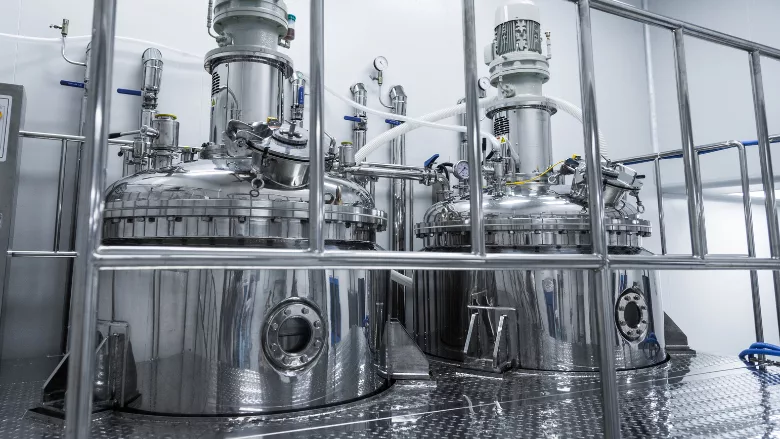
Precision fermentation is a modern evolution of traditional fermentation, using bioengineered microorganisms (e.g., yeast or bacteria) to produce specific food components like proteins, sugars, and fats. While some precision-fermented products, such as Omega-3 fats used in supplements, are already authorized and being marketed, the technology is rapidly advancing. New applications, including the fermentation of dairy proteins for milk substitutes, present novel regulatory challenges.
The IRP is designed to address these challenges by enhancing scientific knowledge, streamlining the market authorization process, and supporting businesses—especially those new to the food sector—as they navigate regulatory requirements. The program also aims to reinforce the UK’s position as a global leader in food safety regulation.
Complementing the existing sandbox for cell-cultivated products, the IRP is funded by the UK Department for Science, Innovation, and Technology (DSIT)’s Regulatory Innovation Office. It will contribute to:
- Strengthening scientific expertise to assess the safety of innovative food products
- Providing industry support for market authorization applications in Great Britain
- Offering clear regulatory guidance to facilitate innovation without compromising safety.
The new guidance hub builds on FSA’s existing novel foods framework, while the BSS pilot extends support services recently introduced for cell-cultivated products. These resources are intended to help businesses understand safety requirements and prepare comprehensive dossiers for authorization.
The existing cell-cultured products sandbox program is a two-year project in which FSA and FSS are collaborating with a select industry cohort to facilitate pre-application support for cell-based food products, enabling the agencies to process cell-based food applications more quickly and better support businesses. The program is also intended to aid the development of approaches that can be applied to other innovative foods. As part of the sandbox, FSA and FSS are also gathering scientific evidence on cell-cultured foods and production technologies to inform evidence-based food safety recommendations.
Looking for quick answers on food safety topics?
Try Ask FSM, our new smart AI search tool.
Ask FSM →