Researchers Develop Onsite Rapid Detection System for PFAS in Water
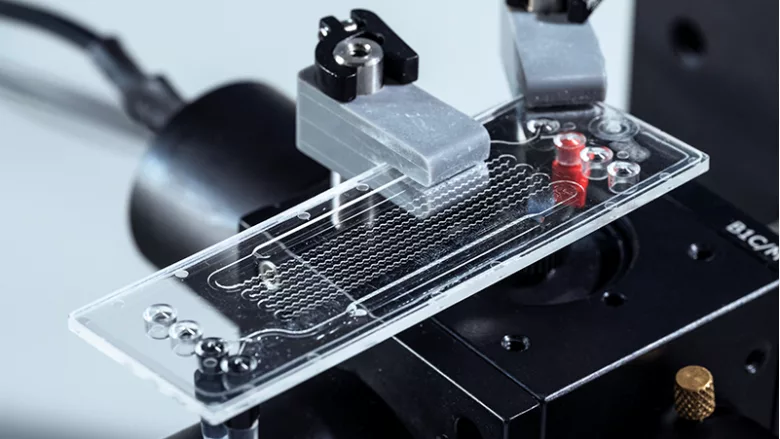
Researchers at the German Federal Institute for Materials Research and Testing (BAM) have developed a compact, cost-effective sensor system for onsite detection of per- and polyfluoroalkyl (PFAS) in aqueous samples. The new method delivers reliable results in less than 15 minutes and can detect “forever chemicals” even at small amounts (in the lower micromolar range).
Exposure to PFAS has been linked to cancer, impacts to the liver and heart, and immune and developmental damage to infants and children. PFAS are often referred to as “forever chemicals” due to their inability to break down in the environment or the human body. The chemicals' presence in water is well documented globally.
The new technology and its use for the detection of perfluorooctanoic acid (PFOA), an important PFAS of concern for public health, is described in Nature Communications.
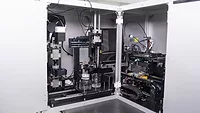
Called a “pocket-sized mini laboratory” by the researchers, the system combines microfluidics and materials science. The technology is based on a combination of miniscule fluorescent particles and a microfluidic platform. After preparing a water sample, the device will indicate if PFAS are present via a clear signal.
The researchers highlight the system’s ease of use and scalability, laying the foundation for rapid, onsite analysis solutions to help authorities and industry monitor and remediate PFAS contamination—and potentially other pollutants. The system is mobile, requires no complex laboratory equipment, and significantly reduces the difficulty of analysis.
Future research will explore the utility of this system for a broader range of PFAS compounds, aiming to develop class-based approaches and strategies to increase selectivity and sensitivity.
Looking for quick answers on food safety topics?
Try Ask FSM, our new smart AI search tool.
Ask FSM →