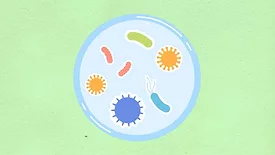
The findings suggest that pathogen persistence on plastic food contact surfaces is governed by the combined effects of material composition, engineered surface topography, and microbial ecology rather than any single factor.
FDA has announced the fiscal year (FY) 2027 user fee rates for importers approved to participate in the Voluntary Qualified Importer Program (VQIP) and accreditation and certification bodies interested in participating in the Accredited Third-Party Certification Program (TPP).
The Childhood Diabetes Reduction Act of 2025 would require health warning labels for certain foods and beverages, prohibit marketing of specified products to children, and expand federal nutrition research and education related to ultra-processed foods.
Ten Latin American countries are developing national initiatives to strengthen food safety systems by integrating risk analysis into public policy and regulatory decision-making, through a regional project led by UN organizations and assisted by the University of Minnesota.
The notice formalizes proposed reorganization plans that surfaced in April 2025 amid the federal government-wide RIFs and the mass overhaul of HHS that occurred shortly after President Trump took office, spearheaded by DOGE.
Over a more than three-decade career, Dr. Jaykus has advanced scientific understanding of foodborne viruses while helping the frozen food industry address complex food safety challenges.
Going beyond the “ultra-processed foods” debate, the proposal, submitted by observer organization IFT, asks Codex to develop a framework to discern which foods are promoting chronic disease risk from those that are not, building upon existing Codex food categories and risk analysis methods.
The UK Food Standards Agency (FSA) attributed the increase to growing food systems complexity driven by global supply chains, cross-border distribution, and online marketplaces.
Democratic Ranking Member Rep. Robert Garcia cited media reports about alleged private meetings between Taylor Farms and White House and FDA officials, the company’s donations to Trump PACs ahead of the Food Traceability Rule delay, and its “contradictory and confusing” public statements about the cyclosporiasis outbreak.
Organized by a team from Wageningen University and Research, the inaugural AI for Food Safety Conference (AIFS) is set to take place on April 8–9, 2027 in Ede, the Netherlands.
 RSS
RSS