Food Safety
search
Ask Food Safety AI
cart
facebook twitter linkedin instagram youtube
  • Sign In
  • Create Account
  • Sign Out
  • My Account
Food Safety
  • NEWS
    • Latest News
    • Sponsor Insights
    • Sponsored White Papers
  • PRODUCTS
  • TOPICS
    • Contamination Control
    • Food Types
    • Management
    • Process Control
    • Regulatory
    • Sanitation
    • Supply Chain
    • Testing and Analysis
  • PODCAST
  • EXCLUSIVES
    • Food Safety Five Newsreel
    • eBooks
    • FSM Distinguished Service Award
    • Interactive Product Spotlights
    • Videos
  • BUYER'S GUIDE
  • MORE
    • NEWSLETTERS >
      • Archive Issues
      • Subscribe to eNews
    • Store
    • ASK FSM AI
  • WEBINARS
  • FOOD SAFETY SUMMIT
  • EMAG
    • eMagazine
    • Archive Issues
    • Editorial Advisory Board
    • Contact
    • Advertise
  • SIGN UP!
NewsManagementRegulatoryRisk AssessmentInternational Standards/Harmonization

EU Seeks Feedback on Data Requirements for Safety Assessment of Bisphenols in FCMs

By Food Safety Magazine Editorial Team
scientist entering data on a tablet in a lab
Image credit: DC Studio via Freepik
March 30, 2026

Legislation adopted by the European Commission in December 2024 banned the use of Bisphenol A (BPA) in food contact materials (FCMs) while specifying that “hazardous” bisphenols other than BPA may be used for limited food-contact applications, provided that their use has been authorized.

In this context, the European Food Safety Authority (EFSA) has published a draft statement on the data requirements for the safety assessment of hazardous bisphenols other than BPA and their derivatives when used for specific applications in FCMs. The statement is intended to provide a structured and harmonized framework for applicants and risk assessors, aiming to ensure a consistent and robust safety assessment of hazardous bisphenols and their derivatives used in FCMs, while supporting regulatory decision-making within the EU.

The proposed requirements address different migration scenarios and focus on key toxicological endpoints of concern, including immunotoxicity, developmental and reproductive toxicity, and metabolic effects, as well as toxicokinetic properties. At the lowest migration level, additional data beyond standard genotoxicity testing will be requested, reflecting the potential for low-dose adverse effects observed for BPA and structurally related compounds. The statement also specifies the use of in vivo, in vitro, and in silico approaches, including extended one-generation reproductive toxicity studies, targeted immunotoxicity assessments, and studies supporting physiologically based kinetic modeling.

Stakeholders are invited to submit comments on the draft statement no later than May 7, 2025, here.

Looking for quick answers on food safety topics?
Try Ask FSM, our new smart AI search tool.
Ask FSM →


KEYWORDS: BPA EFSA EU Europe food contact materials (FCMs)

Share This Story

Fsm purple logo 200x200

The Food Safety Magazine editorial team comprises Bailee Henderson, Digital Editor ✉ and Adrienne Blume, M.A., Editorial Director.

Recommended Content

JOIN TODAY
to unlock your recommendations.

Already have an account? Sign In

  • people holding baby chicks

    Serovar Differences Matter: Utility of Deep Serotyping in Broiler Production and Processing

    This article discusses the significance of Salmonella in...
    Methods
    By: Nikki Shariat Ph.D.
  • woman washing hands

    Building a Culture of Hygiene in the Food Processing Plant

    Everyone entering a food processing facility needs to...
    Management
    By: Richard F. Stier, M.S.
  • graphical representation of earth over dirt

    Climate Change and Emerging Risks to Food Safety: Building Climate Resilience

    This article examines the multifaceted threats to food...
    Management
    By: Maria Cristina Tirado Ph.D., D.V.M. and Shamini Albert Raj M.A.
Manage My Account
  • eMagazine Subscription
  • Subscribe to Newsletters
  • Manage My Preferences
  • Website Registration
  • Subscription Customer Service

More Videos

Sponsored Content

Sponsored Content is a special paid section where industry companies provide high quality, objective, non-commercial content around topics of interest to the Food Safety Magazine audience. All Sponsored Content is supplied by the advertising company and any opinions expressed in this article are those of the author and not necessarily reflect the views of Food Safety Magazine or its parent company, BNP Media. Interested in participating in our Sponsored Content section? Contact your local rep!

close
  • Darkling Beetle
    Sponsored byElanco Animal Health

    Integrated Pest Management: Protecting Poultry Operations as Seasons Change

  • NEVIFIT 3 Compartment BPA-FREE
    Sponsored byCorbion

    The Risks of Ready-to-Eat: Five Ways to Protect Today's Prepared Meals

  • a group of workers in a food production facility
    Sponsored bySkillUp by Registrar Corp

    How to Build a Better Training Program: Data and Insights from the Global Food Safety Training Survey

Popular Stories

half full baby bottle next to rubber duckie on white surface

Organic Infant Formulas Caused Back-to-Back Botulism Outbreaks—What Gives?

nara organics whole milk infant formula

Another Infant Botulism Outbreak Sickens Three, Nara Organics Formula Suspected Cause

smiling man with clipboard in front of bottling line at beverage manufacturing facility

The Evolving Role of the Quality Assurance Professional in Food Safety

Events

June 25, 2026

Rethinking Food Safety: Eliminating Biofilm and Building a Smarter Food Safety System

Live: June 25, 2026 at 2:00 pm EDT: Join this webinar to explore a modern approach to decontamination that goes beyond surface-level cleaning to combat biofilm and persistent pathogens.

June 30, 2026

FSMA 204 in Practice: Building a Traceability-Ready Operation

Live: June 30, 2026 at 11:00 am EDT: Attend this webinar to learn how food businesses can move from fragmented records toward a more reliable approach for recall response, FDA requests, and supply chain visibility.

July 21, 2026

Using AI Responsibly in Food Safety Management Systems

Live: July 21, 2026 at 2:00 pm EDT: This webinar will provide participants with guidance on how to effectively use generative artificial intelligence (AI) tools to develop key components of a food safety management system (FSMS).

View All

Products

Global Food Safety Microbial Interventions and Molecular Advancements

Global Food Safety Microbial Interventions and Molecular Advancements

See More Products

Related Articles

  • test tubes and beakers of colorful liquid

    EFSA Updates Guidance on Data Requirements for Food Additive Risk Assessments

    See More
  • cargo ship at sea

    FDA Seeks Feedback on Certification Program for Exported Human Foods

    See More
  • DNA helix and microorganism

    EFSA Clarifies Data Requirements for Microorganisms Used in Food Chain

    See More

Related Products

See More Products
  • 1119160553.jpg

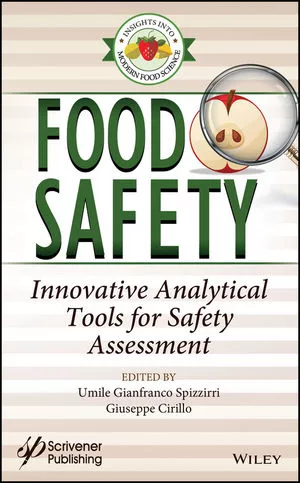
    Food Safety: Innovative Analytical Tools for Safety Assessment

  • 1118396308.jpg

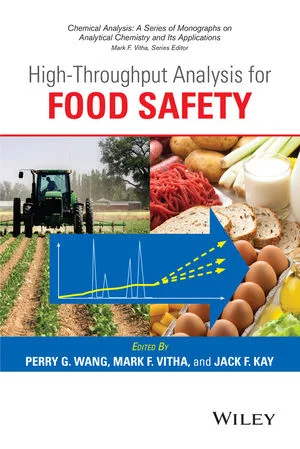
    High Throughput Analysis for Food Safety

  • 1119053595.jpg

    Food Safety for the 21st Century: Managing HACCP and Food Safety throughout the Global Supply Chain, 2E

See More Products
×

Never miss the latest news and trends driving the food safety industry

Newsletters | Website | eMagazine

JOIN TODAY!
  • RESOURCES
    • Advertise
    • Contact Us
    • Directories
    • Store
    • Want More
  • SIGN UP TODAY
    • Create Account
    • eMagazine
    • Newsletters
    • Customer Service
    • Manage Preferences
  • SERVICES
    • Marketing Services
    • Reprints
    • Market Research
    • List Rental
    • Survey/Respondent Access
  • STAY CONNECTED
    • LinkedIn
    • Facebook
    • Instagram
    • X (Twitter)
  • PRIVACY
    • PRIVACY POLICY
    • TERMS & CONDITIONS
    • DO NOT SELL MY PERSONAL INFORMATION
    • PRIVACY REQUEST
    • ACCESSIBILITY

Copyright ©2026. All Rights Reserved BNP Media, Inc. and BNP Media II, LLC.

Design, CMS, Hosting & Web Development :: ePublishing