Food Safety
search
Ask Food Safety AI
cart
facebook twitter linkedin
  • Sign In
  • Create Account
  • Sign Out
  • My Account
Food Safety
  • NEWS
    • Latest News
    • White Papers
  • PRODUCTS
  • TOPICS
    • Contamination Control
    • Food Types
    • Management
    • Process Control
    • Regulatory
    • Sanitation
    • Supply Chain
    • Testing and Analysis
  • PODCAST
  • EXCLUSIVES
    • Food Safety Five Newsreel
    • eBooks
    • FSM Distinguished Service Award
    • Interactive Product Spotlights
    • Videos
  • BUYER'S GUIDE
  • MORE
    • ENEWSLETTER >
      • Archive Issues
      • Subscribe to eNews
    • Store
    • Sponsor Insights
    • ASK FSM AI
  • WEBINARS
  • FOOD SAFETY SUMMIT
  • EMAG
    • eMagazine
    • Archive Issues
    • Editorial Advisory Board
    • Contact
    • Advertise
  • SIGN UP!
NewsManagementRegulatoryTesting & AnalysisRisk AssessmentMicrobiologicalGuidelinesInternational Standards/Harmonization

EFSA Clarifies Data Requirements for Microorganisms Used in Food Chain
By Food Safety Magazine Editorial Team
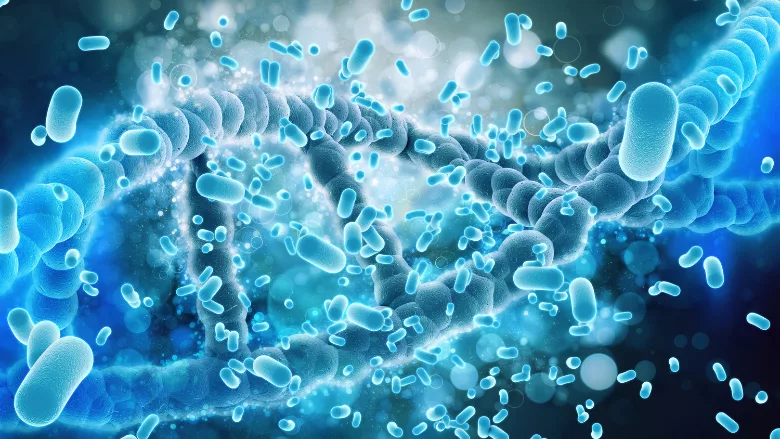
DNA helix and microorganism
Image credit: kjpargeter via Freepik
November 4, 2025

The European Food Safety Authority (EFSA) has released a new guidance document detailing the scientific requirements for the characterization and risk assessment of microorganisms—both genetically modified (GM) and not GM—used in the food chain.

The guidance applies to regulated products containing, derived from, or produced using microorganisms, including bacteria, yeasts, filamentous fungi, microalgae, protists, and viruses. It outlines the data necessary to evaluate the risks posed by a microorganism or its product based on the strain’s microbial identity, genetic modifications, antimicrobial resistance (AMR) genes, toxigenicity, and environmental impact.

Key Requirements for Microbial Characterization

In general, EFSA mandates whole genome sequencing (WGS) for taxonomic identification and the detection of genes of concern, such as those conferring AMR or producing toxins. For GM microorganisms, detailed descriptions of inserted or deleted sequences, vector characteristics, and phenotypic changes are required.

The guidance also emphasizes the need for the depositing of strains in recognized culture collections and the use of curated databases for bioinformatic analyses.

Antimicrobial Resistance and Toxigenicity

The assessment of AMR is primarily performed via WGS analysis. When WGS identifies an AMR gene, it should be determined whether the gene is intrinsic or acquired, which may require further phenotypic testing and literature searches to distinguish. For yeasts and fungi, susceptibility to at least two antifungal classes must be demonstrated.

The guidance also calls for cytotoxicity testing in Bacillus and taxonomically related species, as well as WGS-based screening for virulence factors in Enterococcus and Bacillus cereus strains.

Environmental Risk Assessment

Environmental risk assessment (ERA) is required for both non-GM active agents considered to pose a risk, all GM active agents, and GM and non-GM biomasses considered to be a risk. Key risk areas include persistence and invasiveness; horizontal gene transfer; effects on non-target organisms, the environment, and biogeochemical processes; and the effect of management techniques.

Looking for quick answers on food safety topics?
Try Ask FSM, our new smart AI search tool.
Ask FSM →

GM active agents should undergo a comparative ERA against a non-GM parental strain or a suitable comparator. Biomasses are assessed primarily for the presence of residual DNA and the potential for horizontal gene transfer.

Safety Outcomes

Non-GM active agents are deemed low risk when microorganisms qualify for the Qualified Presumption of Safety (QPS) list, or:

  • Lack genes of concern (e.g., acquired AMR) or are adequately susceptible to antifungal compounds
  • Do not produce harmful metabolites or therapeutic antimicrobials
  • Are non-pathogenic or do not cause adverse effects on non-target species
  • Do not cause adverse effects on the environment.

These same safety conditions apply for products containing GM active agents that do not introduce genes of concern by their genetic modification.

However, the use of an active agent that does not fulfill one or more of the safety conditions required for its taxonomic unit (i.e, bacteria, yeast or fungi, microalgae or protist, or virus) is considered a risk for animals, humans, and/or the environment.

GM and non-GM biomasses and bacteriophages, and products produced using GM and non-GM microorganisms, are not considered to represent a hazard, and do not pose a risk to animals, humans, and the environment when:

  • The strain qualifies for the QPS approach

Or, if the strain does not qualify for the QPS approach:

  • It does not harbor genes of concern
  • It does not produce harmful metabolites/therapeutic antimicrobials
  • It is not pathogenic
  • It does not cause adverse effects on the environment
  • No viable cells/DNA of the host strain are detected in the final product (where relevant).

Specific safety conditions vary among taxonomic units.

Implications for Applicants

Applications for microorganisms and their derived products to be used in the food chain must include robust, up-to-date scientific data, tailored to the specific strain and product use, as outlined in the new guidance.

Several existing EFSA guidance documents will be superseded by the new guidance document, as outlined in Appendix A of the new guidance document.


KEYWORDS: EFSA gene editing genetically engineered foods

Share This Story

Fsm purple logo 200x200

The Food Safety Magazine editorial team comprises Bailee Henderson, Digital Editor ✉; Adrienne Blume, M.A., Editorial Director; and Stacy Atchison, Publisher.

Recommended Content

JOIN TODAY
to unlock your recommendations.

Already have an account? Sign In

  • people holding baby chicks

    Serovar Differences Matter: Utility of Deep Serotyping in Broiler Production and Processing

    This article discusses the significance of Salmonella in...
    Contamination Control
    By: Nikki Shariat Ph.D.
  • woman washing hands

    Building a Culture of Hygiene in the Food Processing Plant

    Everyone entering a food processing facility needs to...
    Facilities
    By: Richard F. Stier, M.S.
  • graphical representation of earth over dirt

    Climate Change and Emerging Risks to Food Safety: Building Climate Resilience

    This article examines the multifaceted threats to food...
    Risk Assessment
    By: Maria Cristina Tirado Ph.D., D.V.M. and Shamini Albert Raj M.A.
Manage My Account
  • eMagazine Subscription
  • Subscribe to eNewsletter
  • Manage My Preferences
  • Website Registration
  • Subscription Customer Service

More Videos

Sponsored Content

Sponsored Content is a special paid section where industry companies provide high quality, objective, non-commercial content around topics of interest to the Food Safety Magazine audience. All Sponsored Content is supplied by the advertising company and any opinions expressed in this article are those of the author and not necessarily reflect the views of Food Safety Magazine or its parent company, BNP Media. Interested in participating in our Sponsored Content section? Contact your local rep!

close
  • Salmonella bacteria
    Sponsored byThermoFisher

    Food Microbiology Testing Methods: Salmonella species

  • a diagram explaining indicator organisms
    Sponsored byHygiena

    How Proactive Listeria Testing Helps Prevent Six- and Seven-Figure Recalls

  • woman grocery shopping
    Sponsored byCorbion

    Designing Safety Into Every Bite: Proactive Risk Mitigation for Refrigerated Foods

Popular Stories

newborn earing from bottle

Infants Nationwide Hospitalized With Botulism After Consuming ByHeart Formula

dates

Codex Commission Adopts New International Food Standards at 48th Session

U.S. currency on scale

Shutdown Deal Restricts Funds for FSMA 204, Produce Safety Rule Enforcement

Events

November 20, 2025

New U.S. Additive Bans: How to Prepare and Protect Your Brand

Live: November 20, 2025 at 11:00 am EST: From this webinar, attendees will learn the impact of ingredient restrictions on product development, sourcing, labeling, and market access.

December 4, 2025

Beyond Detection: How Integrated PCR Diagnostics Strengthen Food Safety in RTE Manufacturing

Live: December 4, 2025 at 2:00 pm EST: From this webinar, attendees will learn best practices for prevention of FM contamination at the corporate and plant levels.

December 11, 2025

How to Develop and Implement an Effective Food Defense Strategy

Live: December 11, 2025 at 2:00 pm EDT: From this webinar, attendees will learn common areas where companies encounter challenges in their food defense strategies and how to address them.

View All

Products

Global Food Safety Microbial Interventions and Molecular Advancements

Global Food Safety Microbial Interventions and Molecular Advancements

See More Products

Related Articles

  • 3D rendering of microorganisms and dna

    Public Consultation Open for EFSA Draft Guidance on Characterization and Risk Assessment of Microorganisms in Food

    See More
  • microscope up close

    EFSA Surveying Stakeholders on Biotechnologies in Microorganisms for Food and Feed

    See More
  • clam dish with fda logo overlay

    FDA Clarifies “In-Shell Product” Definition and Requirements for Shellfish per 2022 Food Code

    See More

Related Products

See More Products
  • 1119053595.jpg

    Food Safety for the 21st Century: Managing HACCP and Food Safety throughout the Global Supply Chain, 2E

  • 1118396308.jpg

    High Throughput Analysis for Food Safety

  • 1119160553.jpg

    Food Safety: Innovative Analytical Tools for Safety Assessment

See More Products

Related Directories

  • FoodChain ID

    Our mission is to make it easier to keep the food supply chain safe, compliant and transparent. We serve 30,000+ customers in over 100 countries. We offer five key service areas: Regulatory Compliance, Product Development Solutions, Food Safety Solutions, Product Certifications, Testing Solutions
  • SafetyChain Software

    SafetyChain is a digital plant management platform trusted by more than 2,500 food and beverage manufacturing facilities to improve plant-wide performance. It unifies production and quality teams with data and insights, tools, and delivers real-time operational visibility and control by eliminating paper and point solutions.
×

Never miss the latest news and trends driving the food safety industry

eNewsletter | Website | eMagazine

JOIN TODAY!
  • RESOURCES
    • Advertise
    • Contact Us
    • Directories
    • Store
    • Want More
  • SIGN UP TODAY
    • Create Account
    • eMagazine
    • eNewsletter
    • Customer Service
    • Manage Preferences
  • SERVICES
    • Marketing Services
    • Reprints
    • Market Research
    • List Rental
    • Survey/Respondent Access
  • STAY CONNECTED
    • LinkedIn
    • Facebook
    • Instagram
    • X (Twitter)
  • PRIVACY
    • PRIVACY POLICY
    • TERMS & CONDITIONS
    • DO NOT SELL MY PERSONAL INFORMATION
    • PRIVACY REQUEST
    • ACCESSIBILITY

Copyright ©2025. All Rights Reserved BNP Media.

Design, CMS, Hosting & Web Development :: ePublishing