The country has seen a 66 percent increase in food poisoning incidents during the first half of 2026, compared to the same period in 2025, including 12 events in school cafeterias. Top officials have ordered relevant state departments to take specific actions to improve oversight.
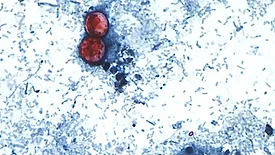
The outbreak cluster includes more than 1,600 people in Indiana, Kentucky, Michigan, Ohio, and West Virginia. Outside of the outbreak cluster, Michigan and other parts of the U.S. continue to experience elevated rates of Cyclospora infections compared to previous years.
JEMRA convened in June to review the latest scientific evidence on microbiological hazards that have recently been associated with public health events due to the contamination of powdered infant formula or its ingredients.
Food-related priorities under the four pillars include post-market ingredient safety reviews, GRAS reform, food labeling modernization, and reducing dietary exposure to contaminants like toxic heavy metals.
Public health experts say the ongoing cyclosporiasis situation exposes growing weaknesses in national foodborne illness surveillance, highlighting how funding and program cuts and CDC staff attrition could undermine outbreak detection and delay response, affecting public health communication and consumer confidence in food safety.
In a letter, Senator Amy Klobuchar urged CDC and FDA to fully restore food safety programs that have been affected under the Trump Administration and continue supporting state public health agencies with the resources needed to detect, investigate, and respond to foodborne illness outbreaks.
Because dietary supplements are regulated by FDA as a subcategory of food, manufacturers are generally not required to demonstrate their safety or efficacy for pre-market approval. The American College of Physicians argues this allows adulterated and mislabeled products to enter the market.
More than 400 cases in Michigan, Ohio, Kentucky, and West Virginia appear to be epidemiologically linked, although a food source has not been confirmed. Michigan alone reports more than 3,300 Cyclospora infections.
The co-occurrence of biofilm formation, acid tolerance, and antimicrobial resistance genes in E. coli isolatedfrom irrigation water, soil, and crops could complicate downstream microbial control efforts in produce production systems.
The Memorandum of Understanding expands interagency collaboration on food contaminant monitoring, including for toxic heavy metals and per- and polyfluoroalkyl substances (PFAS), under the National Residue Program.
 RSS
RSS