The Keep Food Containers Safe from PFAS Act (H.R. 9593) would amend the Federal Food, Drug, and Cosmetic Act to prohibit food packaging containing intentionally added per- and polyfluoroalkyl (PFAS) substances, a.k.a. “forever chemicals.”
The study represents the first publication of a large FDA dataset on ochratoxin A (OTA) occurrence in U.S. foods. OTA was detected above the limit of detection in 3.5 percent of all samples (which were targeted based on their susceptibility to contamination).
L. monocytogenes is the fourth-leading foodborne illness-related cause of death in the U.S. Despite continued efforts, listeriosis incidence rates have not declined, prompting FDA to launch a series of public engagements to discuss best practices for managing the pathogen.
The label claim “STABILIZED” would indicate that a ready-to-eat (RTE) product had been formulated or processed to inhibit Listeria monocytogenes growth. The researchers advocate for formulation and process changes as listeriosis rates climb in Europe and stricter EU Listeria regulations come into effect.
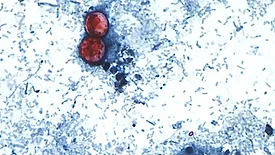
Cyclosporiasis is surging across the U.S., with CDC and state public health officials reporting a growing number of cases. Michigan alone has reported more than 1,200 Cyclospora infections since June, resulting in at least 44 hospitalizations.
Four infants in three states have been hospitalized with botulism after consuming Nara Organics Whole Milk Organic Powdered Infant Formula. California public health officials have detected Clostridium botulinum in an open can of Nara Organics formula collected from the home of an outbreak patient.
Other standards adopted during the 49th Session of the Codex Alimentarius Commission (CAC49), taking place July 6–10 in Geneva, Switzerland, relate to controlling Salmonella and Campylobacter in chicken and Listeria monocytogenes in RTE foods, revisions to food additive use levels, and more.
At a Food Safety NEXT Industry Roundtable on June 25, senior business leaders came together to share, collaborate, and innovate meaningful improvements for supply chain risk management using enterprise AI. Food Safety Magazine is the exclusive media partner for Food Safety NEXT.
This episode of Food Safety Five covers a novel detection method for Clostridium botulinum and a potential new processing approach to mitigate contamination, as well as growing discussion around how C. botulinum should be handled in infant formula manufacturing, spurred by recent botulism outbreaks.
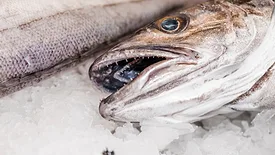
A new European Commission report identified inconsistencies in how EU Member States conduct official controls for histamine (scombrotoxin) in fishery products, highlighting gaps in inspection procedures, staff training, and harmonization of testing methods.
 RSS
RSS