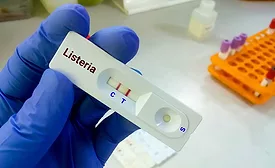
The program, which was explored after the Boar’s Head outbreak of 2024 spurred the agency to reevaluate its inspection and Listeria monitoring protocols, was piloted in FY 2026 and will be expanded to FSIS districts nationwide.
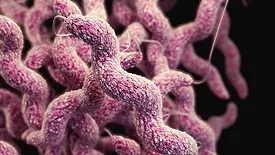
Michigan State University researchers found that a gut microbiota-derived metabolite inhibited Campylobacter jejuni growth and colonization, which could guide possible non-antibiotic interventions for campylobacteriosis.
In a new publication, FAO authors argued that robust scientific evidence and clear risk communication are essential to effective food safety decision-making, and highlighted challenges posed by emerging technologies like AI, social media misinformation, and the framing of scientific information.
FDA has released the 2026 Food Code, introducing updated model provisions for retail and foodservice establishments on food defense, food safety management systems, employee illness, sanitation, food handling, and other areas.
Researchers examined four different antimicrobial surface technologies and evaluated their potential suitability for reusable food packaging, addressing the challenges of microbial adhesion, biofilm formation, and cross-contamination between reuse cycles.
A memo from EPA leadership to its Regional Water Division directors withdraws guidance that encouraged states and wastewater utilities to use existing Clean Water Act authorities to prevent “forever chemicals” from entering waterways and drinking water systems.
The newly announced Stand-Up funding program is the latest in a series of Trump Administration actions, including a Presidential Executive Order and the Ranchers First initiative, to expand regional processing capacity and cut “red tape” at the federal inspection level.
Based on a nationwide study of retail food store delis, FDA identified employee handwashing and proper cold and hot holding temperatures as areas requiring greater control, and identified Food Safety Management Systems (FSMS) as the strongest predictor of food safety compliance.
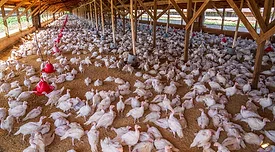
The researchers concluded that integrating multiple sampling matrices and detection methods could improve understanding of Campylobacter occurrence in commercial broiler production and support preharvest surveillance.
The amendments to European food hygiene regulations would provide food business operators with greater flexibility in the storage of fresh meat from domestic ungulates (i.e., cattle, sheep, pigs) before freezing, based on a recent EFSA scientific opinion.
 RSS
RSS