Food Safety
search
Ask Food Safety AI
cart
facebook twitter linkedin instagram youtube
  • Sign In
  • Create Account
  • Sign Out
  • My Account
Food Safety
  • NEWS
    • Latest News
    • Sponsored Insights
    • Sponsored White Papers
  • PRODUCTS
  • TOPICS
    • Contamination Control
    • Food Types
    • Management
    • Process Control
    • Regulatory
    • Sanitation
    • Supply Chain
    • Testing and Analysis
  • PODCAST
  • EXCLUSIVES
    • Food Safety Five Newsreel
    • eBooks
    • FSM Distinguished Service Award
    • Interactive Product Spotlights
    • Videos
  • BUYER'S GUIDE
  • MORE
    • NEWSLETTERS >
      • Archive Issues
      • Subscribe to eNews
    • Store
    • ASK FSM AI
  • WEBINARS
  • FOOD SAFETY SUMMIT
  • EMAG
    • eMagazine
    • Archive Issues
    • Editorial Advisory Board
    • Contact
    • Advertise
  • SIGN UP!
NewsRegulatorySupply ChainInternational Standards/HarmonizationFoodservice/Retail

FAO Publishes Recommendations for Food E-Commerce Regulations

By Food Safety Magazine Editorial Team
person eating a meal and holding a smartphone displaying online food ordering service
Image credit: Freepik
February 2, 2026

The Food and Agriculture Organization of the United Nations (FAO) recently published recommendations for national authorities on measures to ensure e-commerce food safety, informed by a study of six global jurisdictions’ regulatory frameworks.

Although e-commerce food sales have risen in significance in recent years, especially since the COVID-19 pandemic, most jurisdictions globally do not explicitly address food e-commerce with specific regulations, instead relying on legislation related to conventional food trade, general e-commerce, and consumer protection to oversee the sector. At the international level, the Codex Alimentarius Commission has proposed draft guidelines on the food information requirements for pre-packaged foods intended for online sale.

FAO closely analyzed the legal frameworks of Canada, Chile, China, the EU, Indonesia, and Nigeria. The countries’ regulatory responses have varied widely:

  • China has already enacted an extensive framework specific to food e-commerce, notably specifying food intermediary’s liability
  • Canada recently initiated partial discussions on food e-commerce regulation that are centered on information online
  • The EU has introduced certain limited provisions related to food information online and enforcement on e-commerce channels
  • Chile, Indonesia, and Nigeria have not yet adopted regulation tailored to food e-commerce, but the three jurisdictions have worked on rules and guidelines regarding online platforms and/or e-commerce activities in general.

Recommendations for Developing National E-Commerce Regulations

Based on its study of global regulatory frameworks on food e-commerce, FAO recommends national policymakers follow a multidisciplinary approach to the sector’s regulation, focusing on food safety and food controls, consumer protection, and e-commerce. Legislators should adapt or integrate existing legal frameworks where available. Additionally, food e-commerce regulatory options should be flexible and focus on both preventive and reactive mechanisms.

Some of the regulatory aspects that could be taken into consideration and clarified to improve food e-commerce regulation within national law include:

  • The legal status of new online actors, especially related to responsibilities for online intermediaries or platforms in general (e.g., registration/licensing, supervisory mechanisms, traceability, cooperation with public authorities, food recalls, development of complaints mechanisms, and staff training).
  • Liability of online actors, clarifying which liability regime (and potential liability immunity) apply to online actors for infringements related to food e-commerce
  • Monitoring and enforcement mechanisms, such as food controls, monitoring and enforcement measures for online infringements, and regulatory options to address the challenges of cross-border e-commerce and anonymous/virtual traders
  • Online food information, extending food information laws to food sold online, specifying that online customers have the right to receive food information before the purchase is concluded, and indicating which information requirements that are provided for general food trade apply to food e-commerce (distinguishing between prepacked and non-prepacked foods
  • Public authorities, giving competent authorities adequate tools and resources to monitor food e-commerce and enforce regulations
  • Private regulation, involving private self- and co-regulatory schemes, parallel and complementary to state regulations (e.g., codes of practice developed by private stakeholders or voluntary agreements between food control authorities and online platforms).

The full FAO publication, titled, Regulatory Options to Address Food E-Commerce in National Legislation: Policy and Legal Challenges, can be read here.

Looking for quick answers on food safety topics?
Try Ask FSM, our new smart AI search tool.
Ask FSM →


KEYWORDS: e-commerce FAO report

Share This Story

Fsm purple logo 200x200

The Food Safety Magazine editorial team comprises Bailee Henderson, Director of Content Strategy and news editor ✉, and Adrienne Blume, M.A., Director of Editorial and Industry Engagement.

Recommended Content

JOIN TODAY
to unlock your recommendations.

Already have an account? Sign In

  • people holding baby chicks

    Serovar Differences Matter: Utility of Deep Serotyping in Broiler Production and Processing

    This article discusses the significance of Salmonella in...
    Methods
    By: Nikki Shariat Ph.D.
  • woman washing hands

    Building a Culture of Hygiene in the Food Processing Plant

    Everyone entering a food processing facility needs to...
    Personal Hygiene/Handwashing
    By: Richard F. Stier, M.S.
  • graphical representation of earth over dirt

    Climate Change and Emerging Risks to Food Safety: Building Climate Resilience

    This article examines the multifaceted threats to food...
    Contamination Control
    By: Shamini Albert Raj M.A. and Maria Cristina Tirado Ph.D., D.V.M.
Manage My Account
  • eMagazine Subscription
  • Subscribe to Newsletters
  • Manage My Preferences
  • Website Registration
  • Subscription Customer Service

More Videos

Sponsored Content

Sponsored Content is a special paid section where industry companies provide high quality, objective, non-commercial content around topics of interest to the Food Safety Magazine audience. All Sponsored Content is supplied by the advertising company and any opinions expressed in this article are those of the author and not necessarily reflect the views of Food Safety Magazine or its parent company, BNP Media. Interested in participating in our Sponsored Content section? Contact your local rep!

close
  • an automated industrial production line used in a modern food factory
    Sponsored byIFC

    A Formula for Food Processing Pest Management

  • fly
    Sponsored byOrkin Commercial

    Fly Control in Food Processing Facilities: Managing Seasonal Food Safety Risks

  • Darkling Beetle
    Sponsored byElanco Animal Health

    Integrated Pest Management: Protecting Poultry Operations as Seasons Change

Popular Stories

U.S. Food and Drug Administration (FDA).

FDA to Hire 2,200 Staffers as it Narrows Search for Commissioner, Names Produce Safety Director

dry instant noodles pack

Salmonella-Contaminated Instant Noodles Sicken Dozens of Children Across Europe

naturally colored cupcakes with sprinkles

Natural vs. Artificial Ingredients in Baking: What Food Manufacturers and Consumers Need to Know

building a skilled workforce ebook

Events

July 21, 2026

Using AI Responsibly in Food Safety Management Systems

Live: July 21, 2026 at 2:00 pm EDT: This webinar will provide participants with guidance on how to effectively use generative artificial intelligence (AI) tools to develop key components of a food safety management system (FSMS).

August 6, 2026

Beyond Sanitation: Understanding the Hidden System Conditions That Allow Pathogens to Persist

Live: August 6, 2026 at 2:00 pm EDT: Attend this webinar to learn strategies for strengthening environmental control programs through a layered approach to pathogen management.

August 11, 2026

Beyond Sanitization: Reducing Contamination Risk Without Raising Operating Cost

Live: August 11, 2026 at 2:00 pm EDT: Attend this webinar to learn why ambient air is the largest and most overlooked contamination zone in food processing, and what it costs you between scheduled cleans.

View All

Products

Global Food Safety Microbial Interventions and Molecular Advancements

Global Food Safety Microbial Interventions and Molecular Advancements

See More Products

Related Articles

  • sushi chef with fda logo overlay

    FDA Responds to CFP Recommendations for Food Code, Retail Program Standards

    See More
  • father feeding a baby from a bottle

    Recommendations for Addressing Food Safety Concerns in Human Milk Banks

    See More
  • EFSA One Health conference 2022

    Key Recommendations for Advancing Food Safety from EFSA One Health Conference

    See More

Related Products

See More Products
  • 1118396308.jpg

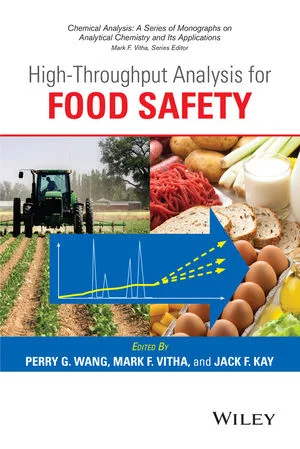
    High Throughput Analysis for Food Safety

  • 1119053595.jpg

    Food Safety for the 21st Century: Managing HACCP and Food Safety throughout the Global Supply Chain, 2E

  • 1119160553.jpg

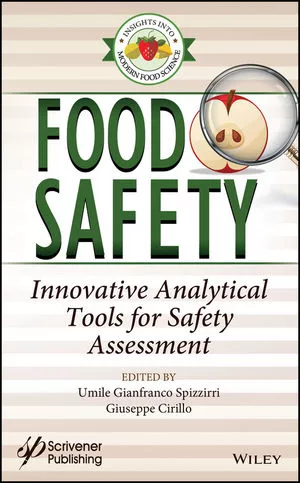
    Food Safety: Innovative Analytical Tools for Safety Assessment

See More Products

Events

View AllSubmit An Event
  • April 16, 2026

    Recordkeeping and Document Management for Food Safety Compliance

    On Demand: From this webinar, attendees will learn why recordkeeping and document control are essential to food safety and business management.
View AllSubmit An Event
×

Never miss the latest news and trends driving the food safety industry

Newsletters | Website | eMagazine

JOIN TODAY!
  • RESOURCES
    • Advertise
    • Contact Us
    • Directories
    • Store
    • Want More
  • SIGN UP TODAY
    • Create Account
    • eMagazine
    • Newsletters
    • Customer Service
    • Manage Preferences
  • SERVICES
    • Marketing Services
    • Reprints
    • Market Research
    • List Rental
    • Survey/Respondent Access
  • STAY CONNECTED
    • LinkedIn
    • Facebook
    • Instagram
    • X (Twitter)
  • PRIVACY
    • PRIVACY POLICY
    • TERMS & CONDITIONS
    • DO NOT SELL MY PERSONAL INFORMATION
    • PRIVACY REQUEST
    • ACCESSIBILITY

Copyright ©2026. All Rights Reserved BNP Media, Inc. and BNP Media II, LLC.

Design, CMS, Hosting & Web Development :: ePublishing