Food Safety
search
Ask Food Safety AI
cart
facebook twitter linkedin instagram youtube
  • Sign In
  • Create Account
  • Sign Out
  • My Account
Food Safety
  • NEWS
    • Latest News
    • White Papers
  • PRODUCTS
  • TOPICS
    • Contamination Control
    • Food Types
    • Management
    • Process Control
    • Regulatory
    • Sanitation
    • Supply Chain
    • Testing and Analysis
  • PODCAST
  • EXCLUSIVES
    • Food Safety Five Newsreel
    • eBooks
    • FSM Distinguished Service Award
    • Interactive Product Spotlights
    • Videos
  • BUYER'S GUIDE
  • MORE
    • NEWSLETTERS >
      • Archive Issues
      • Subscribe to eNews
    • Store
    • Sponsor Insights
    • ASK FSM AI
  • WEBINARS
  • FOOD SAFETY SUMMIT
  • EMAG
    • eMagazine
    • Archive Issues
    • Editorial Advisory Board
    • Contact
    • Advertise
  • SIGN UP!
NewsContamination ControlFood TypeMicrobiologicalMeat/PoultryProduce

Texas A&M Researchers Work to Reduce Microbial Contamination Risks in Produce, Meat Production
By Food Safety Magazine Editorial Team
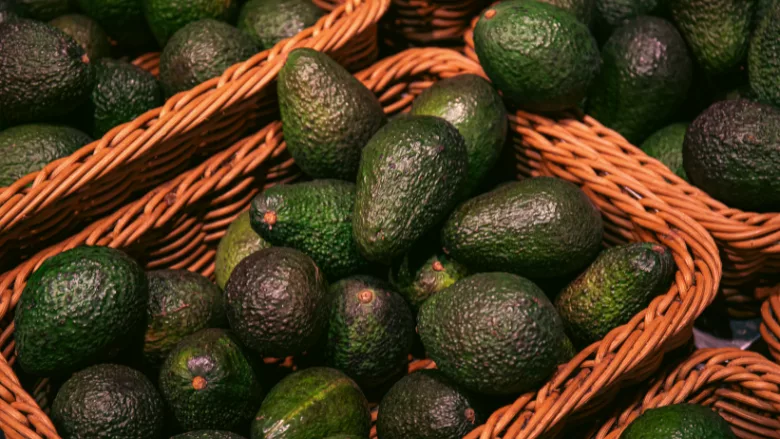
wicker baskets filled with avocados
Image credit: pvproductions via Freepik
January 30, 2026

Two researchers with Texas A&M AgriLife Research are conducting parallel projects to help reduce the risk of foodborne illness by addressing microbiological contamination in the production of produce and meat/poultry.

Addressing Listeria in Avocado Production

Alejandro Castillo, Ph.D. in Texas A&M University’s Department of Animal Science is studying foodborne pathogen contamination that occurs from lapses in sanitation and hygiene during produce processing. He is also exploring the efficacy of interventions.

Dr. Castillo’s work focuses mainly on avocados and spans the U.S. and Latin American supply chains. As much as 90 percent of the Hass avocados eaten in the U.S. are grown in Mexico, representing a large risk for contamination, but also presenting opportunities to greatly improve food safety by targeting this sector.

Recently, Dr. Castillo partnered with researchers at the University of Guadalajara in Mexico to assess the presence of Listeria monocytogenes in avocado packing plants. The team took environmental samples from equipment, floors, walls, and storage areas and tested them for generic Listeria species (to indicate where pathogenic L. monocytogenes could potentially persist).

Isolates from positive samples were sequenced to determine whether the strains had been brought in from the field or were resident strains persisting in the facility.

The same strain was found on surfaces, equipment and utensils, and storage areas in one plant, suggesting it was established in the facility and had spread through cleaning tools and movement throughout the building. These findings were used to recommend targeted sanitation and procedural improvements.

Looking for quick answers on food safety topics?
Try Ask FSM, our new smart AI search tool.
Ask FSM →

Additionally, Dr. Castillo’s lab tests intervention strategies for foodborne pathogens that can survive regular cleaning and sanitation, such as edible coatings for fruit surfaces made of natural antimicrobial compounds.

In the future, Dr. Castillo hopes to test packing processes at industry scale, explore safer alternatives to traditional brush systems, and evaluate real-world contamination scenarios.

Developing Validated Models for Meat and Poultry Safety

Matt Taylor, Ph.D. of the Texas A&M Departments of Animal Science and Food Science and Technology is working to help meat and poultry producers validate the microbial safety of their products and ensure regulatory compliance.

Dr. Taylor’s lab is known for developing mathematical and machine learning models for ready-to-eat (RTE) meat products like fermented and dried salami. With their experience developing models to determine the safety of foods that do not undergo a final kill step, Dr. Taylor’s team is building a comprehensive tool that is useful to processors of all sizes, based on existing models and new data on pathogen inactivation.

Dr. Taylor’s earlier work helped the animal byproduct rendering industry demonstrate compliance with U.S. Food and Drug Administration (FDA) regulations through experiments in which he inoculated raw rendering materials and monitored pathogen survival under different heating and holding conditions.

Helping Industry Apply Science-Based Food Safety Practices

Drs. Castillo and Taylor also collaborate with their colleagues in Texas A&M horticultural and chemical engineering projects on produce safety research. These projects include the investigation of nano- and micro-encapsulated natural antimicrobials on leafy greens, melons, and tomatoes; and tools and equipment in packing sheds to reduce contamination risks.

Together with Texas A&M AgriLife Extension Service specialists and Extension specialists nationwide, supported by the U.S. Department of Agriculture (USDA), Drs. Castillo and Taylor help growers and packers implement the validated, science-based food safety practices developed through their research.


KEYWORDS: listeria study Texas A&M validation

Share This Story

Fsm purple logo 200x200

The Food Safety Magazine editorial team comprises Bailee Henderson, Digital Editor ✉; Adrienne Blume, M.A., Editorial Director; and Stacy Atchison, Publisher.

Recommended Content

JOIN TODAY
to unlock your recommendations.

Already have an account? Sign In

  • people holding baby chicks

    Serovar Differences Matter: Utility of Deep Serotyping in Broiler Production and Processing

    This article discusses the significance of Salmonella in...
    Contamination Control
    By: Nikki Shariat Ph.D.
  • woman washing hands

    Building a Culture of Hygiene in the Food Processing Plant

    Everyone entering a food processing facility needs to...
    Personal Hygiene/Handwashing
    By: Richard F. Stier, M.S.
  • graphical representation of earth over dirt

    Climate Change and Emerging Risks to Food Safety: Building Climate Resilience

    This article examines the multifaceted threats to food...
    Best Practices
    By: Maria Cristina Tirado Ph.D., D.V.M. and Shamini Albert Raj M.A.
Manage My Account
  • eMagazine Subscription
  • Subscribe to Newsletters
  • Manage My Preferences
  • Website Registration
  • Subscription Customer Service

More Videos

Sponsored Content

Sponsored Content is a special paid section where industry companies provide high quality, objective, non-commercial content around topics of interest to the Food Safety Magazine audience. All Sponsored Content is supplied by the advertising company and any opinions expressed in this article are those of the author and not necessarily reflect the views of Food Safety Magazine or its parent company, BNP Media. Interested in participating in our Sponsored Content section? Contact your local rep!

close
  • Salmonella bacteria
    Sponsored byThermoFisher

    Food Microbiology Testing Methods: Salmonella species

  • a diagram explaining indicator organisms
    Sponsored byHygiena

    How Proactive Listeria Testing Helps Prevent Six- and Seven-Figure Recalls

  • woman grocery shopping
    Sponsored byCorbion

    Designing Safety Into Every Bite: Proactive Risk Mitigation for Refrigerated Foods

Popular Stories

smoked salmon

Experts Share Lessons from a Successful Listeria ‘Seek and Destroy’ Process

Common food allergens

FDA to Hold Virtual Public Meeting on Food Allergen Thresholds, Releases Event Materials

McDonald's storefront

Regulatory Response to Boar’s Head, McDonald’s Outbreaks Reveal Areas for Improvement

Events

February 25, 2026

How to Manage Food Safety and Regulatory Risks in Your Supply Chain

Live: February 25, 2026 at 2:00 pm EST: From this webinar, attendees will learn how large food manufacturing organizations can successfully manage their supply chain, food safety, and regulatory risks.

May 11, 2026

The Food Safety Summit

Stay informed on the latest food safety trends, innovations, emerging challenges, and expert analysis. Leave the Summit with actionable insights ready to drive measurable improvements in your organization. Do not miss this opportunity to learn from experts about contamination control, food safety culture, regulations, sanitation, supply chain traceability, and so much more.

View All

Products

Global Food Safety Microbial Interventions and Molecular Advancements

Global Food Safety Microbial Interventions and Molecular Advancements

See More Products

Related Articles

  • cows feeding

    Pre-Harvest Strategies to Reduce Foodborne Pathogens in Red Meat Production

    See More
  • lettuce leaf up close

    Researchers Developing Model to Evaluate Contamination Risks and Control Strategies Along Produce Supply Chain

    See More
  • boxes of tomatoes

    Researchers Investigating Microbial Risks of Unconventional Surfaces in Produce Packinghouses

    See More

Related Products

See More Products
  • global food.jpg

    Global Food Safety Microbial Interventions and Molecular Advancements

  • 9781138070912.jpg

    Trends in Food Safety and Protection

  • 1119237963.jpg

    Food Safety in China: Science, Technology, Management and Regulation

See More Products

Events

View AllSubmit An Event
  • February 25, 2026

    How to Manage Food Safety and Regulatory Risks in Your Supply Chain

    Live: February 25, 2026 at 2:00 pm EST: From this webinar, attendees will learn how large food manufacturing organizations can successfully manage their supply chain, food safety, and regulatory risks.
  • August 12, 2025

    Systematic Approach to Hazard Analysis: Considering Product- and Process-Specific Risks

    On Demand: From this webinar, attendees will learn where and why hazard analysis can fail, especially for high-risk products like leafy greens and meat/poultry.
View AllSubmit An Event

Related Directories

  • Clean Works Corp.

    Clean Works is at the forefront of pioneering decontamination solutions that set the industry standard. Food sanitation solutions, award-winning gas-phase homogenous technology has been rigorously tested and has consistently demonstrated its effectiveness in eliminating up to 99.99% of pathogens and food-spoiling organisms, ensuring your produce is safe and fresh. We have successfully commercialized our technology in six countries, making a global impact.
  • LRQA

    With over 30 years’ experience, LRQA is a leader in food and beverage assurance - working with primary producers, manufacturers, retailers and restaurant chains to create programs that reduce risk and deliver safe, sustainable food to consumers around the world.
  • WorkForge

    WorkForge is reshaping the landscape of learning and development in the food manufacturing industry. Our comprehensive solution provides a centralized hub for off-the-shelf and customizable content, an advanced Learning Management System (LMS), and expert consulting services. WorkForge creates bespoke learning experiences where employees can access tailored training at their convenience, promoting universal learning across diverse environments and devices.
×

Never miss the latest news and trends driving the food safety industry

Newsletters | Website | eMagazine

JOIN TODAY!
  • RESOURCES
    • Advertise
    • Contact Us
    • Directories
    • Store
    • Want More
  • SIGN UP TODAY
    • Create Account
    • eMagazine
    • Newsletters
    • Customer Service
    • Manage Preferences
  • SERVICES
    • Marketing Services
    • Reprints
    • Market Research
    • List Rental
    • Survey/Respondent Access
  • STAY CONNECTED
    • LinkedIn
    • Facebook
    • Instagram
    • X (Twitter)
  • PRIVACY
    • PRIVACY POLICY
    • TERMS & CONDITIONS
    • DO NOT SELL MY PERSONAL INFORMATION
    • PRIVACY REQUEST
    • ACCESSIBILITY

Copyright ©2026. All Rights Reserved BNP Media.

Design, CMS, Hosting & Web Development :: ePublishing