Food Safety
search
Ask Food Safety AI
cart
facebook twitter linkedin
  • Sign In
  • Create Account
  • Sign Out
  • My Account
Food Safety
  • NEWS
    • Latest News
    • White Papers
  • PRODUCTS
  • TOPICS
    • Contamination Control
    • Food Types
    • Management
    • Process Control
    • Regulatory
    • Sanitation
    • Supply Chain
    • Testing and Analysis
  • PODCAST
  • EXCLUSIVES
    • Food Safety Five Newsreel
    • eBooks
    • FSM Distinguished Service Award
    • Interactive Product Spotlights
    • Videos
  • BUYER'S GUIDE
  • MORE
    • NEWSLETTERS >
      • Archive Issues
      • Subscribe to eNews
    • Store
    • Sponsor Insights
    • ASK FSM AI
  • WEBINARS
  • FOOD SAFETY SUMMIT
  • EMAG
    • eMagazine
    • Archive Issues
    • Editorial Advisory Board
    • Contact
    • Advertise
  • SIGN UP!
NewsContamination ControlRegulatoryChemicalInternational Standards/Harmonization

EFSA Recommends Lowering Tolerable Intake of PCBs, Dioxins From Food
By Bailee Henderson
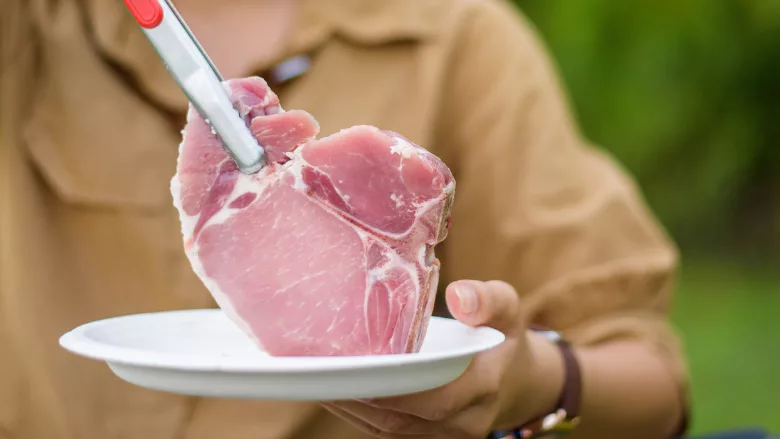
pork meat
Image credit: johnstocker via Freepik
December 1, 2025

Dioxins and polychlorinated biphenyls (PCBs) are persistent organic pollutants (POPs) that can accumulate in the food chain, especially in the fatty tissues of animals, leading to human dietary exposure to these toxic chemicals. Although their presence in food and feed have gradually decreased over the years as their use by industry has been reduced or phased out, dioxins and PCBs still linger in the environment, and therefore, in food and feed.

In a new, draft scientific opinion, the European Food Safety Authority (EFSA) suggests lowering the tolerable weekly intake (TWI) for dioxins—specifically, polychlorinated dibenzo p-dioxins and dibenzofurans (PCDD/Fs)—and dioxin-like polychlorinated biphenyls (DL-PCBs) to 0.6 picograms per kilogram of bodyweight (pg/kg BW). The existing TWI established in 2018 is 2 pg toxic equivalents (TEQ)/kg BW.

Based on the latest dietary exposure estimates from European countries, EFSA believe that the new TWI is exceeded in all age groups. A balanced and varied diet, however, can help reduce the risk of exposure to contaminants, says EFSA. Including a wide range of foods in the diet may lower the intake of dioxins and PCBs from any single source.

EFSA was asked by the European Commission to revisit its TWI for dioxins and PCBs considering the new World Health Organization (WHO) toxic equivalency factors (TEFs) for chlorinated dioxin-like compounds, which were revisited in 2022 and resulted in the TEFs for many PCDD/Fs and DL-PCBs being changed. These TEFs are internationally used values to express the toxicity of dioxins and dioxin-like PCBs relative to the most toxic form of dioxin (2,3,7,8-TCDD). Also in 2022, to protect public health while WHO’s work was underway, the EU set maximum levels for dioxins and dioxin-like PBCs for foods that had not yet been covered by legislation.

PCBs were once used widely in electrical equipment, heat transfer systems, and hydraulic systems, as well as other applications. PCDD/Fs have no use themselves, but are generated as byproducts of thermal and industrial processes, such as the incineration of flame-retarded plastics, especially at electronic waste sites. Dioxins and some PCBs (i.e., dioxin-like PCBs) that have similar toxicological properties are often considered together within the context of public health.

Long-term dietary exposure to dioxins and PCBs can affect the immune, nervous, and endocrine systems, and cause reproductive harm.

EFSA’s latest draft opinion reaffirms that dietary exposure to dioxins and dioxin-like PCBs is a health concern.

A public consultation on the draft scientific opinion is open until January 26, 2026. The opinion can be viewed via the consultation page.

Looking for quick answers on food safety topics?
Try Ask FSM, our new smart AI search tool.
Ask FSM →


KEYWORDS: dioxins EFSA exposure science persistant organic pollutants polychlorinated biphenyls

Share This Story

Baileehendersonmay23

Bailee Henderson is the Digital Editor of Food Safety Magazine. She can be reached at hendersonb@bnpmedia.com.

Recommended Content

JOIN TODAY
to unlock your recommendations.

Already have an account? Sign In

  • people holding baby chicks

    Serovar Differences Matter: Utility of Deep Serotyping in Broiler Production and Processing

    This article discusses the significance of Salmonella in...
    Testing & Analysis
    By: Nikki Shariat Ph.D.
  • woman washing hands

    Building a Culture of Hygiene in the Food Processing Plant

    Everyone entering a food processing facility needs to...
    Management
    By: Richard F. Stier, M.S.
  • graphical representation of earth over dirt

    Climate Change and Emerging Risks to Food Safety: Building Climate Resilience

    This article examines the multifaceted threats to food...
    Best Practices
    By: Maria Cristina Tirado Ph.D., D.V.M. and Shamini Albert Raj M.A.
Manage My Account
  • eMagazine Subscription
  • Subscribe to Newsletters
  • Manage My Preferences
  • Website Registration
  • Subscription Customer Service

More Videos

Sponsored Content

Sponsored Content is a special paid section where industry companies provide high quality, objective, non-commercial content around topics of interest to the Food Safety Magazine audience. All Sponsored Content is supplied by the advertising company and any opinions expressed in this article are those of the author and not necessarily reflect the views of Food Safety Magazine or its parent company, BNP Media. Interested in participating in our Sponsored Content section? Contact your local rep!

close
  • Salmonella bacteria
    Sponsored byThermoFisher

    Food Microbiology Testing Methods: Salmonella species

  • a diagram explaining indicator organisms
    Sponsored byHygiena

    How Proactive Listeria Testing Helps Prevent Six- and Seven-Figure Recalls

  • woman grocery shopping
    Sponsored byCorbion

    Designing Safety Into Every Bite: Proactive Risk Mitigation for Refrigerated Foods

Popular Stories

new food pyramid 2026

Eat Real Food: New U.S. Dietary Guidelines Name and Shame ‘Highly Processed Foods’

EU and UK flags

2026 Trends in the EU/UK Food Law Space

irrigation pond

FAO/WHO Identify High-Priority Chemical Contaminants in Water Used for Agri-Food Production

Events

January 27, 2026

Strategies for Reinforcing Food Safety Culture Among Temporary and Seasonal Staff

Live: January 27, 2026 at 2:00 pm EST: From this webinar, attendees will learn common areas where companies encounter challenges in their food defense strategies and how to address them.

May 11, 2026

The Food Safety Summit

Stay informed on the latest food safety trends, innovations, emerging challenges, and expert analysis. Leave the Summit with actionable insights ready to drive measurable improvements in your organization. Do not miss this opportunity to learn from experts about contamination control, food safety culture, regulations, sanitation, supply chain traceability, and so much more.

View All

Products

Global Food Safety Microbial Interventions and Molecular Advancements

Global Food Safety Microbial Interventions and Molecular Advancements

See More Products

Related Articles

  • ground-up view of industrial or agricultural silos

    EFSA Increases Tolerable Daily Intake for Chemical Contaminant Perchlorate in Food

    See More
  • tap water running from sink

    EFSA Proposes Tolerable Intake Levels for Fluoride; Public Consultation Open

    See More
  • pear fruit

    Due to New Toxicological Data, EFSA Suggests Lowering Residue Levels for Pesticide Acetamiprid

    See More

Related Products

See More Products
  • food-safety-making.jpg

    Food Safety: Making Foods Safe and Free From Pathogens

  • 9781498721776.jpg

    Handbook of Food Processing: Food Safety, Quality, and Manufacturing Processes

  • 1444333348.jpg

    Handbook of Food Safety Engineering

See More Products

Related Directories

  • Institute of Food Technologists

    Since 1939, the Institute of Food Technologists (IFT) has served as the voice of the global food science community. IFT advocates for science, technology, and research to address the world’s greatest food challenges, guiding our community of more than 200,000. IFT convenes professionals from around the world – from producers and product developers to innovators and researchers across food, nutrition, and public health – with a shared mission to help create a global food supply that is sustainable, safe, nutritious, and accessible to all. IFT provides its growing community spanning academia, industry, and government with the resources, connections, and opportunities necessary to stay ahead of a rapidly evolving food system as IFT helps feed the minds that feed the world. For more information, please visit ift.org.
  • Saldesia "Goddess of Food Safety"

    Saldesia is a distributor of Food Safety products and solutions. We are focused on supplying the Quality, Production, Safety and Sanitation departments. Product lines include Color Coded, Metal Detectable, Antimicrobial Flooring & Mats, Workwear, Footwear, Spray Nozzles, and more!
×

Never miss the latest news and trends driving the food safety industry

Newsletters | Website | eMagazine

JOIN TODAY!
  • RESOURCES
    • Advertise
    • Contact Us
    • Directories
    • Store
    • Want More
  • SIGN UP TODAY
    • Create Account
    • eMagazine
    • Newsletters
    • Customer Service
    • Manage Preferences
  • SERVICES
    • Marketing Services
    • Reprints
    • Market Research
    • List Rental
    • Survey/Respondent Access
  • STAY CONNECTED
    • LinkedIn
    • Facebook
    • Instagram
    • X (Twitter)
  • PRIVACY
    • PRIVACY POLICY
    • TERMS & CONDITIONS
    • DO NOT SELL MY PERSONAL INFORMATION
    • PRIVACY REQUEST
    • ACCESSIBILITY

Copyright ©2026. All Rights Reserved BNP Media.

Design, CMS, Hosting & Web Development :: ePublishing