Food Safety
search
Ask Food Safety AI
cart
facebook twitter linkedin instagram youtube
  • Sign In
  • Create Account
  • Sign Out
  • My Account
Food Safety
  • NEWS
    • Latest News
    • White Papers
  • PRODUCTS
  • TOPICS
    • Contamination Control
    • Food Types
    • Management
    • Process Control
    • Regulatory
    • Sanitation
    • Supply Chain
    • Testing and Analysis
  • PODCAST
  • EXCLUSIVES
    • Food Safety Five Newsreel
    • eBooks
    • FSM Distinguished Service Award
    • Interactive Product Spotlights
    • Videos
  • BUYER'S GUIDE
  • MORE
    • NEWSLETTERS >
      • Archive Issues
      • Subscribe to eNews
    • Store
    • Sponsor Insights
    • ASK FSM AI
  • WEBINARS
  • FOOD SAFETY SUMMIT
  • EMAG
    • eMagazine
    • Archive Issues
    • Editorial Advisory Board
    • Contact
    • Advertise
  • SIGN UP!
NewsRegulatoryFDAUSDA

IFSAC Publishes Latest U.S. Foodborne Illness Source Attribution Estimates
By Food Safety Magazine Editorial Team
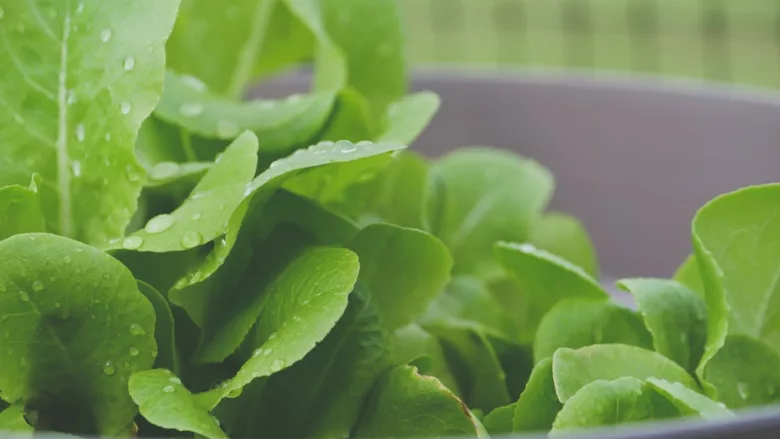
wet leafy greens in a bowl
Image credit: Jessica Lewis thepaintedsquare via Pexels
March 27, 2026

The Interagency Food Safety Analytics Collaboration (IFSAC) has released its latest annual report on foodborne illness source attribution estimates, covering the year 2023 and including Salmonella, Escherichia coli O157, and Listeria monocytogenes.

According to the report, Salmonella, E. coli O157, and L. monocytogenes—along with Campylobacter—cause more than three million foodborne illnesses in the U.S. each year.

Key Attribution Findings by Pathogen

Salmonella illnesses were attributed to a wide variety of foods. More than 75 percent of illnesses were linked to six food categories: chicken (19.1 percent), fruits (14.2 percent), seeded vegetables (13 percent), pork (11.7 percent), other produce (10 percent), and beef (7.8 percent).

E. coli O157 illnesses were most often associated with two food categories. More than 85 percent of illnesses were linked to vegetable row crops (67.9 percent), such as leafy greens, and beef (18.6 percent).

L. monocytogenes illnesses were primarily linked to three food categories. More than 75 percent of illnesses were attributed to dairy (31.9 percent), vegetable row crops (27.4 percent), and fruits (15.9 percent). However, the report noted that the relative rarity of listeriosis outbreaks makes these estimates less reliable than those for other pathogens.

Attribution estimates for Campylobacter were not included in this year’s report. IFSAC stated that outbreak-based estimates for this pathogen may differ substantially from sources of sporadic illnesses and that the agency is continuing to evaluate alternative methods to derive source attribution estimates.

Data and Methodology

IFSAC applied a method consistent with previous reports, with some modifications. Learn about IFSAC's approach in this article authored by members of the collaboration for Food Safety Magazine.

Looking for quick answers on food safety topics?
Try Ask FSM, our new smart AI search tool.
Ask FSM →

The report presents annual estimates of the percentages of foodborne illnesses attributed to 17 food categories for Salmonella, E. coli O157, and Listeria monocytogenes. Data for the latest report included 49,848 illnesses linked to 1,390 foodborne illness outbreaks occurring between 1998 and 2023, and for which each confirmed or suspected implicated food was assigned to a single food category, with the analytical approach weighting more recent outbreak data from 2019–2023.

IFSAC noted that comparisons across years should be interpreted with caution, as changes in attribution percentages may reflect shifts in other food categories rather than absolute changes in illness sources.

Public Health Significance

IFSAC stated that the annual attribution estimates are intended to inform food safety decision-making and provide pathogen-specific direction for reducing foodborne illness. The estimates are intended to support a consistent, data-driven approach across federal agencies to prioritize interventions, policies, and resource allocation to protect public health.

IFSAC is a collaboration between the Centers for Disease Control and Prevention (CDC), the U.S. Food and Drug Administration (FDA), and the U.S. Department of Agriculture’s Food Safety and Inspection Service (USDA-FSIS). The group was established in 2011 to improve coordination of federal food safety analytics and address cross-cutting priorities in data collection, analysis, and use.


KEYWORDS: CDC foodborne illness IFSAC

Share This Story

Fsm purple logo 200x200

The Food Safety Magazine editorial team comprises Bailee Henderson, Digital Editor ✉ and Adrienne Blume, M.A., Editorial Director.

Recommended Content

JOIN TODAY
to unlock your recommendations.

Already have an account? Sign In

  • people holding baby chicks

    Serovar Differences Matter: Utility of Deep Serotyping in Broiler Production and Processing

    This article discusses the significance of Salmonella in...
    Food Type
    By: Nikki Shariat Ph.D.
  • woman washing hands

    Building a Culture of Hygiene in the Food Processing Plant

    Everyone entering a food processing facility needs to...
    Management
    By: Richard F. Stier, M.S.
  • graphical representation of earth over dirt

    Climate Change and Emerging Risks to Food Safety: Building Climate Resilience

    This article examines the multifaceted threats to food...
    Best Practices
    By: Maria Cristina Tirado Ph.D., D.V.M. and Shamini Albert Raj M.A.
Manage My Account
  • eMagazine Subscription
  • Subscribe to Newsletters
  • Manage My Preferences
  • Website Registration
  • Subscription Customer Service

More Videos

Sponsored Content

Sponsored Content is a special paid section where industry companies provide high quality, objective, non-commercial content around topics of interest to the Food Safety Magazine audience. All Sponsored Content is supplied by the advertising company and any opinions expressed in this article are those of the author and not necessarily reflect the views of Food Safety Magazine or its parent company, BNP Media. Interested in participating in our Sponsored Content section? Contact your local rep!

close
  • The image shows a variety of fresh produce packaged in plastic trays and wrap.
    Sponsored byWaters Corporation

    PFAS-Free Food Packaging by August 2026

  • This image displays a multi-stage water filtration system designed to remove contaminants from drinking water.
    Sponsored byWaterdrop Filter

    The 4.0 ppt Era: Future-Proofing Your Food Supply Chain Against 'Forever Chemicals'

  • The image displays a bottling plant production line, commonly used in the beverage industry for filling and packaging soft drinks.
    Sponsored byBIOIONIX

    Sustainability with ROI: A Beverage Producer Case Study in Water Savings

Popular Stories

RAW FARM-brand raw cheddar cheese shreds

Amid E. coli Outbreak, Congress Urges FDA to Mandate Raw Cheese Recall

world map made of beans and grains with a person's hand touching the African continent

Researchers Urge Moving Away From ‘Zero-Risk’ Food Safety Mentality, Toward Consideration of Sustainability Trade-Offs

half shredded block of cheddar cheese and pile of cheese shreds on wooden cutting board

Patient Count in Raw Farm E. coli Outbreak Grows, Majority are Young Children

foreign material webinar


Events

March 31, 2026

Regulatory Risk, Ingredient Safety, and GRAS: What Companies Need to Act on Now

Live: March 31, 2026, at 11:00 am EDT: From this webinar, attendees will recognize patterns in food policy affecting dietary guidelines, UPFs, state legislative actions, and expected GRAS reform.

April 8, 2026

Foreign Material Contamination: Why In-Line Reinspection Isn't Enough

Live: April 8, 2026, at 11:00 am EDT: From this webinar, attendees will learn why reinspecting with in-line equipment is not sufficient when it comes to potential foreign material contamination.

April 16, 2026

Recordkeeping and Document Management for Food Safety Compliance

Live: April 16, 2026, at 2:00 pm EDT: From this webinar, attendees will learn why recordkeeping and document control are essential to food safety and business management.

View All

Products

Global Food Safety Microbial Interventions and Molecular Advancements

Global Food Safety Microbial Interventions and Molecular Advancements

See More Products

Related Articles

  • chicken leafy greens and dairy

    IFSAC Releases U.S. Foodborne Illness Source Attribution Estimates for 2022: Salmonella, Listeria, E. coli

    See More
  • breaded chicken, tomato, and cantaloupe

    IFSAC 2021 Foodborne Illness Source Attribution Report Shows Salmonellosis Caused by Variety of Foods

    See More
  • digital art of brain made of circuits representing machine learning AI concept

    Researchers Explore AI Analysis of WGS Data for Foodborne Illness Source Attribution

    See More

Related Products

See More Products
  • 9781138070912.jpg

    Trends in Food Safety and Protection

  • global food.jpg

    Global Food Safety Microbial Interventions and Molecular Advancements

  • 1118396308.jpg

    High Throughput Analysis for Food Safety

See More Products

Events

View AllSubmit An Event
  • November 20, 2025

    New U.S. Additive Bans: How to Prepare and Protect Your Brand

    On Demand: From this webinar, attendees will learn the impact of ingredient restrictions on product development, sourcing, labeling, and market access.
View AllSubmit An Event

Related Directories

  • PATLITE (U.S.A.) Corp.

    Since 1947, PATLITE has offered state-of-the-art equipment for the process and industrial automation industries. Innovative and durable design, backed by years of industry experience and a strong commitment to safety and security, has made PATLITE the world's best known manufacturer of visual and audible signaling devices.
×

Never miss the latest news and trends driving the food safety industry

Newsletters | Website | eMagazine

JOIN TODAY!
  • RESOURCES
    • Advertise
    • Contact Us
    • Directories
    • Store
    • Want More
  • SIGN UP TODAY
    • Create Account
    • eMagazine
    • Newsletters
    • Customer Service
    • Manage Preferences
  • SERVICES
    • Marketing Services
    • Reprints
    • Market Research
    • List Rental
    • Survey/Respondent Access
  • STAY CONNECTED
    • LinkedIn
    • Facebook
    • Instagram
    • X (Twitter)
  • PRIVACY
    • PRIVACY POLICY
    • TERMS & CONDITIONS
    • DO NOT SELL MY PERSONAL INFORMATION
    • PRIVACY REQUEST
    • ACCESSIBILITY

Copyright ©2026. All Rights Reserved BNP Media, Inc. and BNP Media II, LLC.

Design, CMS, Hosting & Web Development :: ePublishing