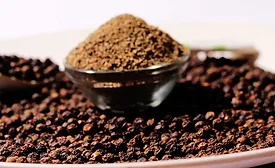
The Bethlehem site is dedicated to developing natural coffee taste and flavor profiles for food and beverage applications and has been equipped with roasting, extraction, concentration, and processing technologies intended to produce formulation-specific ingredients.
EFSA’s Panel on Food Additives and Flavorings (FAF) found no safety concerns associated with the currently reported uses and use levels of acesulfame K (E 950), aspartame (E 951), and salt of aspartame-acesulfame (E 962).
The German Federal Institute for Risk Assessment (BfR) said the EU health-based guidance value for acute glycerol exposure from beverages can also be applied to solid foods, adding to recent discussions around glycerol intoxication in young children and safe levels of exposure.
The amendments would bring sugar alcohols under sweetener regulations, expand the number of permitted sweeteners, and establish more than 900 maximum permitted levels.
Considering the unprecedented ByHeart and Nara Organics infant botulism outbreak and with a focus on dairy ingredients, participants emphasized the need for prevalence research, more sensitive and standardized testing, data-sharing, validated preventive controls, and coordinated industry action.
FDA’s post-incident Executive Incident Summary of a 2026 Salmonella outbreak linked to MOGO-brand moringa supplements details traceback findings, positive product samples, and food safety deficiencies identified during inspections of firms in the moringa powder supply chain.
Researchers observed inflammatory responses, gut barrier damage, and immune effects relevant to allergy development in experiments with two emulsifiers, soy lecithin and DATEM. Study author Dr. Cezmi Akdis said the findings support a more comprehensive framework for evaluating food additive safety.
FDA recently proposed the most significant changes to its GRAS framework since 1958. For companies managing ingredient compliance, the proposed mandatory filing obligations raise questions about statutory authority, agency capacity, and whether its design matches its stated objectives.
Aligning with the agency’s priority of supporting agency in phasing out synthetic colorants from the food supply, the petitions seek expanded or new uses for gardenia (genipin) blue, safflower extract, and acetone-extracted carrot oil.
The self-affirmed GRAS pathway has supported innovation in the food industry for decades by allowing companies to bring new ingredients to market based on robust scientific evidence. As FDA considers changing this pathway, manufacturers should understand both the criticisms driving the debate and the steps they can take to prepare for potential regulatory change.
 RSS
RSS