Food Safety
search
Ask Food Safety AI
cart
facebook twitter linkedin instagram youtube
  • Sign In
  • Create Account
  • Sign Out
  • My Account
Food Safety
  • NEWS
    • Latest News
    • White Papers
  • PRODUCTS
  • TOPICS
    • Contamination Control
    • Food Types
    • Management
    • Process Control
    • Regulatory
    • Sanitation
    • Supply Chain
    • Testing and Analysis
  • PODCAST
  • EXCLUSIVES
    • Food Safety Five Newsreel
    • eBooks
    • FSM Distinguished Service Award
    • Interactive Product Spotlights
    • Videos
  • BUYER'S GUIDE
  • MORE
    • NEWSLETTERS >
      • Archive Issues
      • Subscribe to eNews
    • Store
    • Sponsor Insights
    • ASK FSM AI
  • WEBINARS
  • FOOD SAFETY SUMMIT
  • EMAG
    • eMagazine
    • Archive Issues
    • Editorial Advisory Board
    • Contact
    • Advertise
  • SIGN UP!
NewsContamination ControlFood TypeRegulatoryChemicalIngredients

California Bill Would Require State Food Additive Safety Reviews, Closing Federal ‘Loophole’
By Bailee Henderson
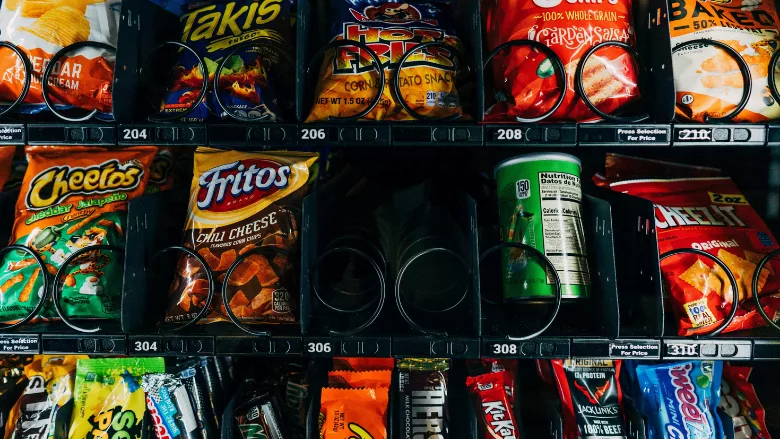
vending machine filled with chips and candy
Image credit: Veronica via Pexels
February 24, 2026

A newly introduced California bill aims to address gaps in federal oversight of food additives and ingredients by giving state health officials the authority to conduct independent safety assessments.

Introduced by Assemblymember Dawn Addis (Democrat–Morro Bay), California Assembly Bill 2034 (AB 2034) is intended to close the Generally Recognized as Safe (GRAS) “loophole,” which allows manufacturers to introduce new ingredients to the food supply without a formal safety review by the U.S. Food and Drug Administration (FDA).

If passed, AB 2034 would:

  • Require firms to submit a notice to the California Department of Public Health (CDPH) when intending to use a new food additive or ingredient in their products, including the same evidence and information that is required to make a GRAS determination
  • Require CDPH to review the notice submitted by the firm, and if the information is complete, publish the notice in a public database
  • Require CDPH to issue or decline a license for new food additives and ingredients, and when assessing the safety of an ingredient, consider factors including, but not limited to, whether the substance is banned or restricted in other jurisdictions due to concerns about adverse health consequences
  • Require CDPH to systematically reassess the safety of at least ten substances every three years
  • Authorize the CDPH to create and update user fees for notices, assessments, and reassessments
  • Require the manufacturer of any packaged food product to provide the department with a list of its food products that are sold in the state and identify each ingredient not individually named in the ingredient list (e.g., are listed using terms like "artificial flavors," "natural flavors," "spices," or "artificial colors” instead of specific ingredient names).

The requirements would begin to go into effect on July 1, 2027, if AB 2034 is passed as-is.

AB 2034 now awaits referral to committee. The legislation is supported by the Center for Science in the Public Interest (CSPI).

What is the GRAS “Loophole?”

Established in 1958 through an amendment to the Federal Food, Drug, and Cosmetic Act, the GRAS process enables food substances to be used without premarket approval by FDA as long as scientific experts determine the substance to be “safe” under the conditions of its intended use. GRAS determinations effectively exempt a food substance from being subjected to the premarket safety review process required for food additives by FDA.

GRAS determinations can be made by experts outside of the government, using literature compiled by food companies. Food companies can choose to voluntarily notify FDA when they have made a GRAS determination about a new substance—or they can begin using the intended ingredient without notifying FDA once they have compiled the scientific evidence required to make their determination.

The GRAS process was originally intended to allow widely used food ingredients, commonly understood to be safe for consumption (e.g., vinegar), to remain on the market without extensive review. However, it is now used by firms to use new ingredients in their products, earning GRAS its reputation as a “loophole” and drawing criticisms for potentially allowing unsafe additives into the food supply.

In recent years, GRAS has increasingly come under public scrutiny, and federal changes to the GRAS process may be forthcoming. An FDA proposed rule that is reportedly intended to tighten GRAS oversight is currently pending White House review.

Looking for quick answers on food safety topics?
Try Ask FSM, our new smart AI search tool.
Ask FSM →


KEYWORDS: additives California generally recognized as safe legislation

Share This Story

Baileehendersonmay23

Bailee Henderson is the Digital Editor of Food Safety Magazine, where she covers industry-relevant current events, regulatory affairs, and scientific developments. She also produces the Food Safety Five Newsreel. Notably, Bailee's coverage for Food Safety Magazine has been featured in national televised news segments including CBS Sunday Morning and MSNBC's Rachel Maddow Show. She can be reached at hendersonb@bnpmedia.com.

Recommended Content

JOIN TODAY
to unlock your recommendations.

Already have an account? Sign In

  • people holding baby chicks

    Serovar Differences Matter: Utility of Deep Serotyping in Broiler Production and Processing

    This article discusses the significance of Salmonella in...
    Meat/Poultry
    By: Nikki Shariat Ph.D.
  • woman washing hands

    Building a Culture of Hygiene in the Food Processing Plant

    Everyone entering a food processing facility needs to...
    Management
    By: Richard F. Stier, M.S.
  • graphical representation of earth over dirt

    Climate Change and Emerging Risks to Food Safety: Building Climate Resilience

    This article examines the multifaceted threats to food...
    Management
    By: Maria Cristina Tirado Ph.D., D.V.M. and Shamini Albert Raj M.A.
Manage My Account
  • eMagazine Subscription
  • Subscribe to Newsletters
  • Manage My Preferences
  • Website Registration
  • Subscription Customer Service

More Videos

Sponsored Content

Sponsored Content is a special paid section where industry companies provide high quality, objective, non-commercial content around topics of interest to the Food Safety Magazine audience. All Sponsored Content is supplied by the advertising company and any opinions expressed in this article are those of the author and not necessarily reflect the views of Food Safety Magazine or its parent company, BNP Media. Interested in participating in our Sponsored Content section? Contact your local rep!

close
  • Salmonella bacteria
    Sponsored byThermoFisher

    Food Microbiology Testing Methods: Salmonella species

  • a diagram explaining indicator organisms
    Sponsored byHygiena

    How Proactive Listeria Testing Helps Prevent Six- and Seven-Figure Recalls

  • woman grocery shopping
    Sponsored byCorbion

    Designing Safety Into Every Bite: Proactive Risk Mitigation for Refrigerated Foods

Popular Stories

man working in a cheese warehouse smiling at camera holding laptop

FDA Announces FSMA 204 Stakeholder Engagement Initiative, Releases Guidance

Processed chips snacks and candies

RFK Jr. Highlights FDA’s Focus on GRAS Rule, But Makes No Promises

test swab and tube

Study Shows How Swab Storage Time, Temperature Affect Allergen Detection

Events

February 25, 2026

How to Manage Food Safety and Regulatory Risks in Your Supply Chain

Live: February 25, 2026 at 2:00 pm EST: From this webinar, attendees will learn how large food manufacturing organizations can successfully manage their supply chain, food safety, and regulatory risks.

March 3, 2026

FDA/USDA Regulatory Updates: Food Safety Work Plans for 2026

Live: March 3, 2026 at 2:00 pm EST: In this high-level, exclusive webinar, FDA Deputy Commissioner for Human Foods Kyle Diamantas and USDA Under Secretary for Food Safety Mindy Brashears, Ph.D. will share their agencies' regulatory priorities and work plans for 2026 and beyond.

May 11, 2026

The Food Safety Summit

Stay informed on the latest food safety trends, innovations, emerging challenges, and expert analysis. Leave the Summit with actionable insights ready to drive measurable improvements in your organization. Do not miss this opportunity to learn from experts about contamination control, food safety culture, regulations, sanitation, supply chain traceability, and so much more.

View All

Products

Global Food Safety Microbial Interventions and Molecular Advancements

Global Food Safety Microbial Interventions and Molecular Advancements

See More Products

Related Articles

  • powdered sugar donut

    Following California’s Example, New York State Bill Would Ban Five Most “Pervasive and Harmful” Chemical Food Additives

    See More
  • glass of tap water getting filled in the kitchen sink

    California Bill Would Set State Drinking Water Limits for PFAS in Case EPA Standards are Weakened

    See More
  • person reading label on jar of food in grocery store

    California Passes First-of-its-Kind Legislation Standardizing 'Best By' Dates on Food; Bans 'Sell By'

    See More

Related Products

See More Products
  • 1119053595.jpg

    Food Safety for the 21st Century: Managing HACCP and Food Safety throughout the Global Supply Chain, 2E

  • 9781498721776.jpg

    Handbook of Food Processing: Food Safety, Quality, and Manufacturing Processes

  • global food.jpg

    Global Food Safety Microbial Interventions and Molecular Advancements

See More Products

Related Directories

  • Michigan State University Online Food Safety Program

    MSU's Online Food Safety program strives to educate professionals on how to make global food systems safe. The program consists of a master’s degree and graduate certificate, both entirely online. Each program will provide students with applicable knowledge to navigate the ever-changing concerns surrounding food safety, food protection, and public health.
×

Never miss the latest news and trends driving the food safety industry

Newsletters | Website | eMagazine

JOIN TODAY!
  • RESOURCES
    • Advertise
    • Contact Us
    • Directories
    • Store
    • Want More
  • SIGN UP TODAY
    • Create Account
    • eMagazine
    • Newsletters
    • Customer Service
    • Manage Preferences
  • SERVICES
    • Marketing Services
    • Reprints
    • Market Research
    • List Rental
    • Survey/Respondent Access
  • STAY CONNECTED
    • LinkedIn
    • Facebook
    • Instagram
    • X (Twitter)
  • PRIVACY
    • PRIVACY POLICY
    • TERMS & CONDITIONS
    • DO NOT SELL MY PERSONAL INFORMATION
    • PRIVACY REQUEST
    • ACCESSIBILITY

Copyright ©2026. All Rights Reserved BNP Media.

Design, CMS, Hosting & Web Development :: ePublishing