EU Maintains Current Stance on Safety of Sucralose After Reevaluation
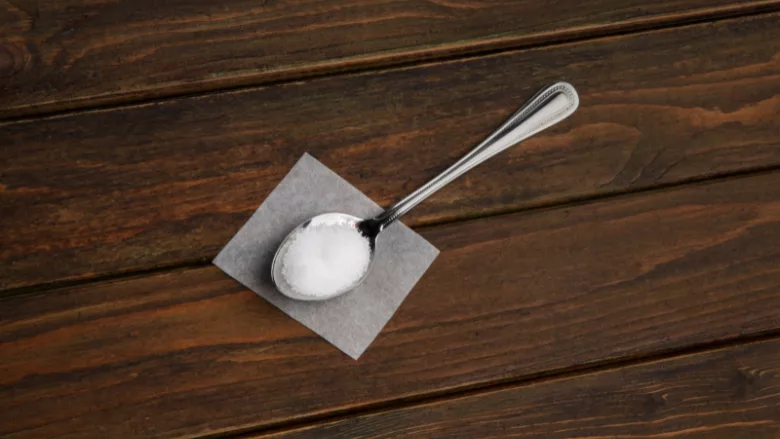
The European Food Safety Authority (EFSA) has completed a reevaluation of the safety of the sweetener sucralose (also known as E 955), resulting in no change to its current advice about dietary intake.
Specifically, the current Acceptable Daily Intake (ADI) for sucralose remains the same, at 15 milligrams per kilogram (mg/kg) of bodyweight per day. In the EU, the highest dietary exposure estimate of sucralose was below the ADI in all populations, indicating no safety concern.
EFSA’s Broader Work to Review Safety of Sweeteners
The evaluation of sucralose is the most recent in a series of sweetener reevaluations, conducted to meet the request of the European Commission to reevaluate the safety of food additives approved in the EU before 2009. EFSA also reevaluated aspartame in 2013, thaumatin in 2021, neohesperidine DC in 2022, erythritol in 2023 (resulting in a lowered ADI), saccharin in 2024 (resulting in a raised ADI), and acesulfame K (resulting in a raised ADI) and neotame in 2025.
Data Considered in Reevaluation of Sucralose
For its evaluation, EFSA considered studies on sucralose published between January 1999 and March 2025 identified from a literature review, as well as data gathered from calls for information and data submitted by an applicant proposing the extension of use of sucralose in fine bakery wares. The data comprised technical data (including data on the stability of sucralose), data on uses and use levels in food, evidence from toxicological studies in experimental animals (including genotoxicity studies), and epidemiological studies. Relevant biological and toxicological data were integrated by applying a weight-of-evidence approach.
Consideration of a Proposed Extension of Use for Sucralose
Such uncertainties include the potential transfer of chlorine from sucralose to organic molecules under prolonged high-temperature conditions, which could not be dismissed in the evaluation of the proposed extension of use, unless restrictions on baking temperature and time are applied. The same uncertainty applies to the preparation of homemade foods where sucralose undergoes heating processes such as baking or frying. These conditions are not expected to occur during the industrial processing of foods under the currently authorized uses of sucralose.
As part of its review, EFSA also considered the safety of a proposed extension for the use of sucralose in fine bakery wares. Although the overall dietary exposure to sucralose did not increase substantially when considering this proposed extension of use, EFSA identified some uncertainties that made it impossible to confirm the safety of sucralose’s use in fine bakery wares.
EFSA’s Recommendations for EU Sucralose Provisions
Based on its assessment of the available data, EFSA recommends that the European Commission consider:
- Including individual limits for chlorinated monosaccharide impurities in sucralose, 4-chlorogalactopyranose, and 1,6-dichlorofructofuranose in the EU specifications for sucralose
- Lowering the limit of lead in the EU specifications
- Including the Chemical Abstracts Service (CAS) registration number 56038-13-2 for sucralose in the EU specifications.
EFSA also recommended that the Commission consider the potential formation of unwanted degradation products of sucralose during domestic uses that require high temperatures, such as frying or baking.
Looking for quick answers on food safety topics?
Try Ask FSM, our new smart AI search tool.
Ask FSM →