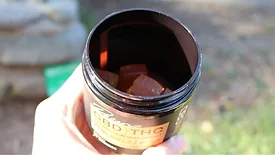
In the U.S., as part of the appropriations bill ending the government shutdown, Congress closed the 2018 Farm Bill loophole allowing the sale of hemp-derived THC products, such as edibles and beverages. At the same time, in the EU, the European Food Safety Authority (EFSA) set a safe intake level for Delta-8 THC in food.
Food industry representatives and consumer advocacy groups have shared their comments, which are varied in opinion, submitted in response to FDA and USDA’s joint request for information to support a federal definition for ultra-processed foods (UPFs).
Following the formation of a food industry-backed lobbyist group with the goal of stopping state-level food additives restrictions, 84 consumer protection and public health organizations have signed a letter urging Congress to oppose such efforts.
Americans for Ingredient Transparency (AFIT) is campaigning for federal action to “correct a maze of state-by-state-laws” that restrict or prohibit the use of colorants, additives, and ingredients in foods. AFIT is backed by many of the largest food industry associations and companies, some of which have made voluntary commitments to phase out food dyes or other additives.
The International Association of Color Manufacturers has filed a lawsuit against the recently enacted West Virginia House Bill 2354, which prohibits foods containing certain artificial colorants and additives from being sold in the state, arguing that it is unconstitutional and unlawful.
Assembly Bill (AB) 1264, titled, the Real Food, Healthy Kids Act, establishes a legal definition for ultra-processed foods, and tasks the state Department of Public Health with identifying and banning particularly harmful ultra-processed foods from California schools.
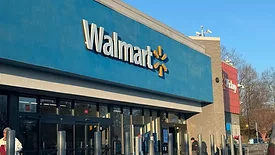
Walmart is the latest company to say it will remove synthetic dyes from its private-label food brands, as well as 30 other additives, including certain preservatives, artificial sweeteners, and fat substitutes.
FDA detected radioactive isotope Cesium-137 (Cs-137) in a shipment of Indonesian cloves, due to heightened surveillance efforts initiated after radioactive shrimp was detected in another Indonesian import. Additionally, the radioactive shrimp recall has been expanded, and now affects Walmart, Kroger, and other retailers nationwide.
Orange B is only approved as a food colorant in hot dog and sausage casings. FDA has proposed to revoke its authorization as its use has largely been abandoned by industry.
California Assembly Bill (AB) 1264 has passed the Senate, and now awaits final approval before being sent to the Governor. AB 1264 would define “ultra-processed foods” (UPFs), and would require “UPFs of concern” to be identified and phased out of schools.
 RSS
RSS