Food Safety
search
Ask Food Safety AI
cart
facebook twitter linkedin instagram youtube
  • Sign In
  • Create Account
  • Sign Out
  • My Account
Food Safety
  • NEWS
    • Latest News
    • White Papers
  • PRODUCTS
  • TOPICS
    • Contamination Control
    • Food Types
    • Management
    • Process Control
    • Regulatory
    • Sanitation
    • Supply Chain
    • Testing and Analysis
  • PODCAST
  • EXCLUSIVES
    • Food Safety Five Newsreel
    • eBooks
    • FSM Distinguished Service Award
    • Interactive Product Spotlights
    • Videos
  • BUYER'S GUIDE
  • MORE
    • NEWSLETTERS >
      • Archive Issues
      • Subscribe to eNews
    • Store
    • Sponsor Insights
    • ASK FSM AI
  • WEBINARS
  • FOOD SAFETY SUMMIT
  • EMAG
    • eMagazine
    • Archive Issues
    • Editorial Advisory Board
    • Contact
    • Advertise
  • SIGN UP!
NewsFood TypeRegulatorySupply ChainSeafoodFDAImports/Exports

Bipartisan Bill Would Give FDA Authority to Destroy Contaminated Food Imports
By Bailee Henderson
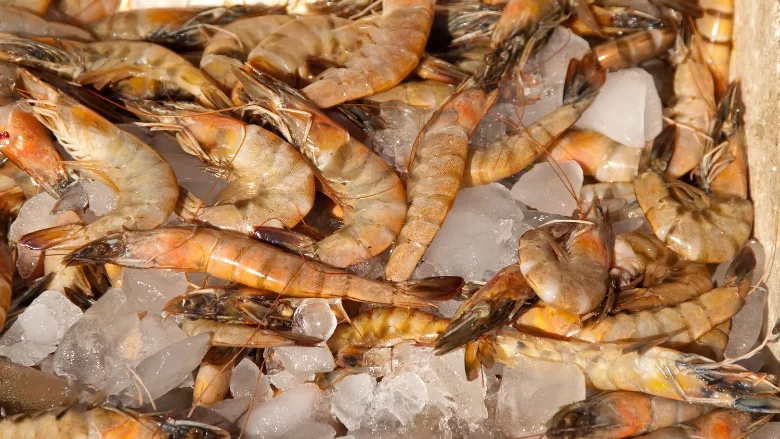
shrimp on ice
Image credit: bearfotos via Magnific
May 27, 2026

In a 43–0 vote on May 21, 2026, the House Committee on Energy and Commerce advanced the Destruction of Hazardous Imports Act, which would authorize the U.S. Food and Drug Administration (FDA) to destroy imported foods that have been refused entry into the country upon failing safety inspection. The bill is intended to prevent importers from “port shopping,” or attempting reentry of contaminated or otherwise unsafe goods into the market via different ports.

At present, FDA has the jurisdiction to destroy any imported medical devices and medications that pose a health risk to the public. However, this authority does not extend to imported food products that fail to meet U.S. health and safety standards—a gap that the Destruction of Hazardous Imports Act aims to close.

With support from the seafood industry, the bipartisan bill was introduced by Representative Clay Higgins (R-Louisiana) and Senator Troy Carter Sr. (D-Louisiana) with the particular intent of stopping contaminated shrimp and seafood products from entering the U.S. market. The bill is backed by a coalition of 16 seafood industry groups led by the Southern Shrimp Alliance, as well as the Safe Food Coalition.

“This bill protects consumers from potential health risks and upholds the integrity of our food supply chain, while supporting fishermen and seafood processors,” remarked Rep. Carter.

A Focus on Imported Shrimp Safety

Because 94 percent of all seafood in the U.S. is imported, and shrimp is the most consumed seafood in the U.S., the safety of imported shrimp has been a focus of legislators and regulators in recent years. For example, Congress previously introduced a bill to set stricter federal inspection requirements for shrimp entering the U.S., and has mandated FDA to establish regulatory partnership arrangements with the largest shrimp-exporting countries, like Ecuador.

A high-profile food safety incident occurred in 2025 when FDA discovered radioactive isotope Cesium-137 in shipments of shrimp from Indonesia, which were distributed nationwide under various brand names at large retailers, including Walmart.

About the Destruction of Hazardous Imports Act, John Williams, Executive Director of the Southern Shrimp Alliance, said, “Imported shrimp and seafood products that are potentially dangerous for consumers need to be destroyed. Giving these products back to the foreign shipper does little to incentivize them to address safety problems before shipping products to this country.”

Looking for quick answers on food safety topics?
Try Ask FSM, our new smart AI search tool.
Ask FSM →

Answering FDA’s Request for Expanded Authorities at Ports

FDA’s Human Foods Program (HFP) requested the authority to destroy unsafe food imports in a list of legislative proposals complementing HFP’s Priority Deliverables for 2026. The agency said it had “observed importers exporting or attempting to re-import commercial-sized shipments that pose a significant public health concern” including food contaminated with pathogens and harmful chemicals. The agency specifically underlined a 2023 incident where a high-volume wholesaler pled guilty to attempting to re-import 2,100 cartons of frozen eels from China that were refused entry by FDA due to the presence of carcinogenic animal drugs.

FDA also argues that the authority to destroy unsafe food imports would also increase efficiency by reducing the need to involve the U.S. Customs and Border Protection (CBP) in the seizure of unsafe FDA-regulated products and allow the agency to require importers to pay the destruction costs upfront.


KEYWORDS: Congress legislation shrimp

Share This Story

Baileehendersonmay23

Bailee Henderson is the Digital Editor of Food Safety Magazine, where she covers industry-relevant current events, regulatory affairs, and scientific developments. She also produces the Food Safety Five Newsreel. Notably, Bailee's coverage for Food Safety Magazine has been featured in national televised news segments including CBS Sunday Morning and MSNBC's Rachel Maddow Show. She can be reached at hendersonb@bnpmedia.com.

Recommended Content

JOIN TODAY
to unlock your recommendations.

Already have an account? Sign In

  • people holding baby chicks

    Serovar Differences Matter: Utility of Deep Serotyping in Broiler Production and Processing

    This article discusses the significance of Salmonella in...
    Microbiological Control
    By: Nikki Shariat Ph.D.
  • woman washing hands

    Building a Culture of Hygiene in the Food Processing Plant

    Everyone entering a food processing facility needs to...
    Management
    By: Richard F. Stier, M.S.
  • graphical representation of earth over dirt

    Climate Change and Emerging Risks to Food Safety: Building Climate Resilience

    This article examines the multifaceted threats to food...
    Management
    By: Maria Cristina Tirado Ph.D., D.V.M. and Shamini Albert Raj M.A.
Manage My Account
  • eMagazine Subscription
  • Subscribe to Newsletters
  • Manage My Preferences
  • Website Registration
  • Subscription Customer Service

More Videos

Sponsored Content

Sponsored Content is a special paid section where industry companies provide high quality, objective, non-commercial content around topics of interest to the Food Safety Magazine audience. All Sponsored Content is supplied by the advertising company and any opinions expressed in this article are those of the author and not necessarily reflect the views of Food Safety Magazine or its parent company, BNP Media. Interested in participating in our Sponsored Content section? Contact your local rep!

close
  • a group of workers in a food production facility
    Sponsored bySkillUp by Registrar Corp

    How to Build a Better Training Program: Data and Insights from the Global Food Safety Training Survey

  • the use of dual-energy X-ray food inspection technology to identify foreign contaminants.
    Sponsored byEagle by METTLER TOLEDO

    Precision Inspection Starts with the Right X-ray Detector

  • This image depicts a worker cleaning stainless steel machinery in a food processing plant
    Sponsored byCintas

    Employee Uniforms: A Frontline Defense Against Food Contamination

Popular Stories

curcumin in wooden spoon and bowl

‘Natural’ Food Dyes May Have Health Risks Too, Studies Show

common food allergens and the word ALLERGY

Codex Moves to Adopt Standardized Precautionary Allergen Labeling, Kicks UPFs Can Down the Road

FoodSafetyMattersFinal-900x550-(002).jpg

Ep. 218. Dr. Brady Carter: Water Activity, Shelf-Life Validation, and Food Safety Controls


Events

May 28, 2026

Advanced Sanitation Strategies for Allergen Risk Reduction in Food Processing

Live: May 28, 2026, at 2:00 pm EDT: From this webinar, attendees will learn why validation and verification are necessary for allergen control, and how analytical tools can support allergen management programs.

June 3, 2026

How to Build a Better Food Safety Training Program

Live: June 3, 2026 at 2:00 pm EDT: Join this webinar to learn how AI is impacting food safety training, and how you can leverage AI in your programs.

June 4, 2026

Building a Stronger Food Safety Program in a Changing GFSI Landscape

Live: June 4, 2026 at 11:00 am EDT: Attend this webinar to understand how GFSI requirements are evolving and what those changes signal for quality programs at food and beverage facilities.

View All

Products

Global Food Safety Microbial Interventions and Molecular Advancements

Global Food Safety Microbial Interventions and Molecular Advancements

See More Products
building a stronger food safety program webinar

Related Articles

  • pigs crowded in pen on farm

    Bill That Would Give FDA Authority to Conduct Sampling on Factory Farms Reintroduced to Congress

    See More
  • young baby being fed pureed food

    Baby Food Safety Act Would Give FDA Authority to Limit Toxic Heavy Metals in Food for Children

    See More
  • US capitol on a cloudy day

    Proposed Legislation Would Give FDA Authority to Share Food Safety Information With States

    See More

Related Products

See More Products
  • 1119053595.jpg

    Food Safety for the 21st Century: Managing HACCP and Food Safety throughout the Global Supply Chain, 2E

  • 9781498721776.jpg

    Handbook of Food Processing: Food Safety, Quality, and Manufacturing Processes

  • 1119258073.jpg

    FSMA and Food Safety Systems: Understanding and Implementing the Rules

See More Products

Events

View AllSubmit An Event
  • December 11, 2025

    How to Develop and Implement an Effective Food Defense Strategy

    On Demand: From this webinar, attendees will learn common areas where companies encounter challenges in their food defense strategies and how to address them.
View AllSubmit An Event

Related Directories

  • FoodReady

    FoodReady offers complete Traceability, Food Safety & Quality, and Supply Chain software to digitize everything related to quality, food safety, sanitation, and traceability. FoodReady also offers complete consulting services for GFSI audit-preparation, HACCP consulting and development, process authority, FDA consulting, USDA consulting, and master sanitation consulting services from a team of longtime auditors, former Directors of Quality at the largest food companies.
  • Certified Laboratories, a Certified Group Co.

    Certified Laboratories provides comprehensive laboratory testing and analysis throughout a North American network of 30+ ISO 17025 accredited labs. Our expertise extends across a full range of regulated industries, including beef, dairy, poultry, pet food, spices, seafood, nuts, produce, FDA imports, and ready-to-eat foods.
×

Never miss the latest news and trends driving the food safety industry

Newsletters | Website | eMagazine

JOIN TODAY!
  • RESOURCES
    • Advertise
    • Contact Us
    • Directories
    • Store
    • Want More
  • SIGN UP TODAY
    • Create Account
    • eMagazine
    • Newsletters
    • Customer Service
    • Manage Preferences
  • SERVICES
    • Marketing Services
    • Reprints
    • Market Research
    • List Rental
    • Survey/Respondent Access
  • STAY CONNECTED
    • LinkedIn
    • Facebook
    • Instagram
    • X (Twitter)
  • PRIVACY
    • PRIVACY POLICY
    • TERMS & CONDITIONS
    • DO NOT SELL MY PERSONAL INFORMATION
    • PRIVACY REQUEST
    • ACCESSIBILITY

Copyright ©2026. All Rights Reserved BNP Media, Inc. and BNP Media II, LLC.

Design, CMS, Hosting & Web Development :: ePublishing