Food Safety
search
Ask Food Safety AI
cart
facebook twitter linkedin instagram youtube
  • Sign In
  • Create Account
  • Sign Out
  • My Account
Food Safety
  • NEWS
    • Latest News
    • White Papers
  • PRODUCTS
  • TOPICS
    • Contamination Control
    • Food Types
    • Management
    • Process Control
    • Regulatory
    • Sanitation
    • Supply Chain
    • Testing and Analysis
  • PODCAST
  • EXCLUSIVES
    • Food Safety Five Newsreel
    • eBooks
    • FSM Distinguished Service Award
    • Interactive Product Spotlights
    • Videos
  • BUYER'S GUIDE
  • MORE
    • NEWSLETTERS >
      • Archive Issues
      • Subscribe to eNews
    • Store
    • Sponsor Insights
    • ASK FSM AI
  • WEBINARS
  • FOOD SAFETY SUMMIT
  • EMAG
    • eMagazine
    • Archive Issues
    • Editorial Advisory Board
    • Contact
    • Advertise
  • SIGN UP!
NewsContamination ControlProcess ControlSanitationMicrobiologicalPackagingBiofilm Control

Study Shows Nanoplastics Can Increase Salmonella Virulence, Biofilm Formation, Drug-Resistance

By Food Safety Magazine Editorial Team
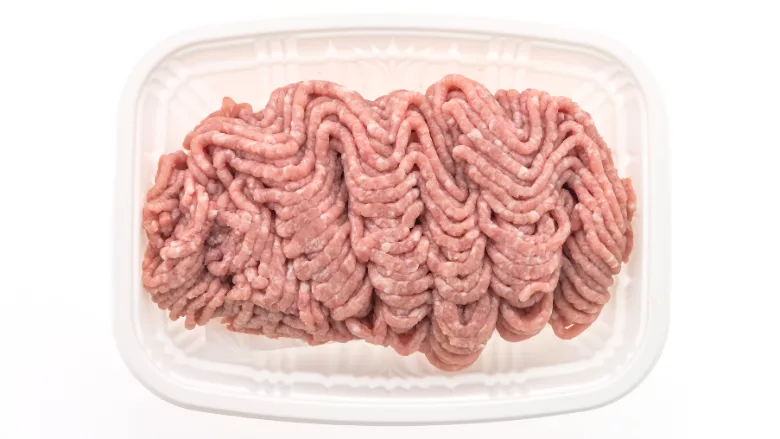
ground meat in plastic package
Image credit: mrsiraphol via Freepik
March 2, 2026

A new study conducted by researchers at the University of Illinois Urbana-Champaign found that the presence of microplastics increases the virulence of foodborne Salmonella and encourages biofilm formation.

The study was overseen by Pratik Banerjee, Ph.D., Associate Professor of Food Safety and Associate Head for Graduate Programs in the University of Illinois Department of Food Science and Human Nutrition within the College of Agricultural, Consumer, and Environmental Sciences. The lead author of the study was Jayita De, a graduate student in Dr. Banerjee’s lab. Their findings were published in the Journal of Hazardous Materials.

Nanoplastics Affect Salmonella Virulence, Biofilm Formation, AMR

The researchers examined the time- and concentration-dependent effects of polystyrene nanoplastics on Salmonella enterica at low, moderate, and high levels of exposure ranging from 2.5–100 milligrams per liter (mg/L).

Under realistic conditions, the researchers observed upregulation of Salmonella virulence genes when first introduced to nanoplastics. Over time, Salmonella increased biofilm formation, but when introduced to greater concentrations of nanoplastics, Salmonella started to become more virulent once again. The researchers described the phenomenon as a “trade-off between offense and defense,” as extended or high-dose exposure suppresses key factors of pathogenicity, reflecting cellular fatigue, toxicity overload, and trade-offs that favor survival over virulence.

Concerningly, the researchers also found that the presence of nanoplastics can exacerbate antimicrobial resistance (AMR) in Salmonella. Although not antimicrobials, exposure to nanoplastics may trigger the expression of AMR genes that have cross-resistance to actual antibiotics.

Microplastics Affect E. coli Similarly

Dr. Banerjee’s team previously studied the effects of nanoplastics on Escherichia coli O157:H7, finding that nanoplastics can influence the growth, viability, virulence, physiological stress response, and biofilm formation of the foodborne pathogen.

Similar research conducted by Boston University has also suggested that microplastics could be contributing to increased AMR and enhanced biofilm formation capabilities in E. coli.

Looking for quick answers on food safety topics?
Try Ask FSM, our new smart AI search tool.
Ask FSM →

Is Plastic Food Packaging a Concern?

Dr. Banerjee and his team were inspired to investigate the interaction between plastic particles and Salmonella after frequently detecting the pathogen in retail turkey samples collected during previous research, given that ground turkey is often packaged in plastic.

Despite his findings that nanoplastics can affect the behavior of Salmonella, Dr. Banerjee explained that further research is needed to determine the actual impact of these changes before raising concerns.

“We don’t want to sound the alarm and advocate that people stop using plastics,” Dr. Banerjee said. “Plastic packaging provides a lot of benefits, such as reducing food spoilage and waste while keeping expenses low. We don’t know yet whether this is something we should be worried about.”


KEYWORDS: AMR microplastics Salmonella study University of Illinois

Share This Story

Fsm purple logo 200x200

The Food Safety Magazine editorial team comprises Bailee Henderson, Digital Editor ✉; Adrienne Blume, M.A., Editorial Director; and Stacy Atchison, Publisher.

Recommended Content

JOIN TODAY
to unlock your recommendations.

Already have an account? Sign In

  • people holding baby chicks

    Serovar Differences Matter: Utility of Deep Serotyping in Broiler Production and Processing

    This article discusses the significance of Salmonella in...
    Methods
    By: Nikki Shariat Ph.D.
  • woman washing hands

    Building a Culture of Hygiene in the Food Processing Plant

    Everyone entering a food processing facility needs to...
    Sanitation
    By: Richard F. Stier, M.S.
  • graphical representation of earth over dirt

    Climate Change and Emerging Risks to Food Safety: Building Climate Resilience

    This article examines the multifaceted threats to food...
    Contamination Control
    By: Maria Cristina Tirado Ph.D., D.V.M. and Shamini Albert Raj M.A.
Manage My Account
  • eMagazine Subscription
  • Subscribe to Newsletters
  • Manage My Preferences
  • Website Registration
  • Subscription Customer Service

More Videos

Sponsored Content

Sponsored Content is a special paid section where industry companies provide high quality, objective, non-commercial content around topics of interest to the Food Safety Magazine audience. All Sponsored Content is supplied by the advertising company and any opinions expressed in this article are those of the author and not necessarily reflect the views of Food Safety Magazine or its parent company, BNP Media. Interested in participating in our Sponsored Content section? Contact your local rep!

close
  • The image displays a bottling plant production line, commonly used in the beverage industry for filling and packaging soft drinks.
    Sponsored byBIOIONIX

    Sustainability with ROI: A Beverage Producer Case Study in Water Savings

  • factory
    Sponsored byIFC

    A Clean Break to Reset the Environment with Chlorine Dioxide

  • Salmonella bacteria
    Sponsored byThermoFisher

    Food Microbiology Testing Methods: Salmonella species

Popular Stories

formula powder

ByHeart Infant Formula Botulism Outbreak Ends with Extensive WGS Evidence, but Root Cause Remains Unidentified

FSM podcast

Ep. 212. Dr. Claire Sand: The Future of Food Packaging and Chemicals of Concern

baby formula

EU Increases Import Controls for the Ingredient Behind Global Infant Formula Recall

Events

March 3, 2026

FDA/USDA Regulatory Updates: Food Safety Work Plans for 2026

Live: March 3, 2026 at 2:00 pm EST: In this high-level, exclusive webinar, FDA Deputy Commissioner for Human Foods Kyle Diamantas and USDA Under Secretary for Food Safety Mindy Brashears, Ph.D. will share their agencies' regulatory priorities and work plans for 2026 and beyond.

March 26, 2026

Continuous Pathogen Control: Enhancing Sanitation and Environmental Monitoring in Food Processing

Live: March 26, 2026, at 2:00 pm EST: This session explores the role of continuous airborne pathogen control technology in supporting sanitation and environmental monitoring programs within food processing environments.

March 31, 2026

Regulatory Risk, Ingredient Safety, and GRAS: What Companies Need to Act on Now

Live: March 31, 2026, at 11:00 am EDT: From this webinar, attendees will recognize patterns in food policy affecting dietary guidelines, UPFs, state legislative actions, and expected GRAS reform.

View All

Products

Global Food Safety Microbial Interventions and Molecular Advancements

Global Food Safety Microbial Interventions and Molecular Advancements

See More Products

Related Articles

  • plastic cutlery and clear plastic film on purple background

    Microplastics Increase Antibiotic Resistance of E. coli, Aid Biofilm Formation, Study Shows

    See More
  • Plastic containers cleaned and ready for recycling

    Nanoplastics Could Make Foodborne Pathogens Like E. coli More Virulent, Study Shows

    See More
  • dairy cattle in feeding stall

    Study Shows Drug-Resistant Salmonella Dublin Could Spread Among Cows, Food, and Humans

    See More

Related Products

See More Products
  • 9781498721776.jpg

    Handbook of Food Processing: Food Safety, Quality, and Manufacturing Processes

  • Food-Forensics-3D.jpg

    Food Forensics Handbook Practice, Instrumentation, Case Studies

  • 9781138198463.jpg

    Food Safety Management Programs: Applications, Best Practices, and Compliance

See More Products

Related Directories

  • Pick Heaters Inc.

    Throughout the food plant, from process heating to plant sanitation, Pick Steam Injection Heaters provide instant, unlimited hot water at a precise temperature. When compared to indirect heat exchangers, Pick can cut energy costs. Higher processing efficiency, lower energy costs and increased safety are but a few of the benefits.
×

Never miss the latest news and trends driving the food safety industry

Newsletters | Website | eMagazine

JOIN TODAY!
  • RESOURCES
    • Advertise
    • Contact Us
    • Directories
    • Store
    • Want More
  • SIGN UP TODAY
    • Create Account
    • eMagazine
    • Newsletters
    • Customer Service
    • Manage Preferences
  • SERVICES
    • Marketing Services
    • Reprints
    • Market Research
    • List Rental
    • Survey/Respondent Access
  • STAY CONNECTED
    • LinkedIn
    • Facebook
    • Instagram
    • X (Twitter)
  • PRIVACY
    • PRIVACY POLICY
    • TERMS & CONDITIONS
    • DO NOT SELL MY PERSONAL INFORMATION
    • PRIVACY REQUEST
    • ACCESSIBILITY

Copyright ©2026. All Rights Reserved BNP Media.

Design, CMS, Hosting & Web Development :: ePublishing