Four-Year UK Foodborne Pathogen Surveillance Program Concludes, FSA to Launch New Initiative
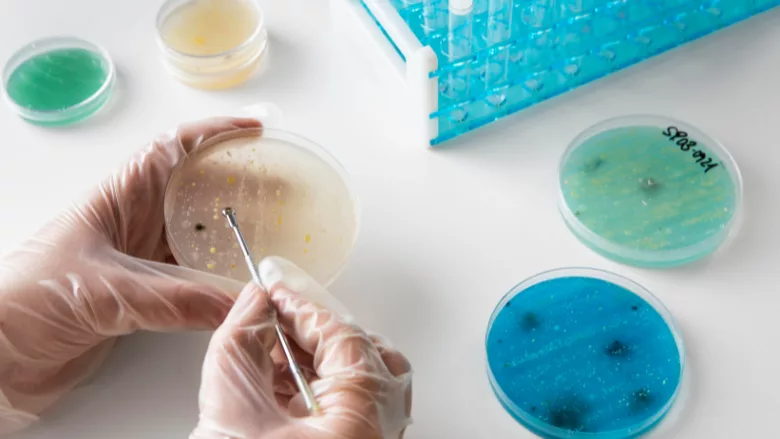
The UK Food Standards Agency (FSA) has completed its £24 million, four-year Pathogen Surveillance in Agriculture, Food, and the Environment (PATH-SAFE) program, which was launched in 2021 to address foodborne pathogens and antimicrobial resistance (AMR) in the UK’s agri-food system.
Led by FSA, the program involved eight cross-government partnerships, including with the UK Health Security Agency (UKHSA), the UK Department for Environment, Food, and Rural Affairs (DEFRA), the UK Animal and Plant Health Agency (APHA), Food Standards Scotland (FSS), the UK Environment Agency (EA), the UK Veterinary Medicines Directorate (VMD), the UK Department of Health and Social Care (DHSC), and the UK Center for Environment Fisheries and Aquaculture Science (CEFAS).
The project was guided by a One Health approach, recognizing that the health of people, animals, and the environment are interconnected.
Foodborne pathogen sequencing data was generated for more than 12,500 isolates from over 8,300 samples. The data has helped create new baselines, enhancing understanding of foodborne pathogens and AMR in different contexts, such as livestock and imported feed.
Additionally, genomic data platforms for pathogens like Salmonella and Escherichia coli were created through PATH-SAFE and are now being trialed across UK government. These include one flagship platform and 25 tools and models.
New surveillance methods were also developed under the program, including wastewater monitoring. These methods helped highlight the risks associated with hospital waste discharges and the spread of pathogens and AMR into the environment. More than 15 biosurveillance initiatives were launched under PATH-SAFE.
Outputs from PATH-SAFE have been cited in major UK strategies including the UK Biological Security Strategy, and the AMR National Action Plan 2024–2029, reflecting its alignment with wider national priorities. Moreover, the program’s inclusion in high-profile research and surveillance reports, such as the UK Veterinary Antimicrobial Resistance and Sales Surveillance Report, offers early evidence of its long-term potential impact.
Looking for quick answers on food safety topics?
Try Ask FSM, our new smart AI search tool.
Ask FSM →
PATH-SAFE strengthened cross-sector partnerships, involving more than 65 cross-sector partners and bringing in more than 200 stakeholders from industry and local governments. A total of 12 events were hosted, reaching more than 1,200 people, and over 150 communication activities were executed. The program also hosted 18 community of interest meetings with 85 members.
An independent evaluation of PATH-SAFE recommends that, moving forward, successful methods are scaled up through dedicated funding and wider adoption, and that long-term outcomes and cross-sector collaboration are monitored. Tools, data, and learnings should be shared across organizations, and efforts to address data-sharing barriers across governments should be prioritized (i.e., developing clear guidance on data protection, metadata standards, linkage, and anonymization).
FSA’s Food Surveillance Program: Building on PATH-SAFE
Additionally, building on the work of PATH-SAFE, FSA is developing a national Food Surveillance Program to strengthen the UK’s food safety and authenticity monitoring. The program focuses on boosting lab capacity, advancing testing methods, supporting cross-government collaboration, and using innovation and data to protect biosecurity.
Aligning FSA, FSS, DEFRA, and Integrated Security Fund projects into one National Food Surveillance Program, the program will include four workstreams:
- Enhancing the PATH-SAFE genomic data platform functionality, developing attribution models to define the possible source of human infection, and investigating the use of artificial intelligence (AI) to enhance biosurveillance capabilities
- Analyzing routinely collected samples for the presence of Shiga toxin-producing E. coli (STEC)
- Utilizing outputs from PATH-SAFE, exploring the use of onsite diagnostics technologies at borders and/or abattoirs for pathogen surveillance and early detection systems
- Expanding cross-government collaboration.
The Food Surveillance Program has secured £1.67 million in funding for 2025–2026, and is awaiting the outcome of further funding bids for 2029–2030.