Food Safety
search
Ask Food Safety AI
cart
facebook twitter linkedin
  • Sign In
  • Create Account
  • Sign Out
  • My Account
Food Safety
  • NEWS
    • Latest News
    • White Papers
  • PRODUCTS
  • TOPICS
    • Contamination Control
    • Food Types
    • Management
    • Process Control
    • Regulatory
    • Sanitation
    • Supply Chain
    • Testing and Analysis
  • PODCAST
  • EXCLUSIVES
    • Food Safety Five Newsreel
    • eBooks
    • FSM Distinguished Service Award
    • Interactive Product Spotlights
    • Videos
  • BUYER'S GUIDE
  • MORE
    • ENEWSLETTER >
      • Archive Issues
      • Subscribe to eNews
    • Store
    • Sponsor Insights
    • ASK FSM AI
  • WEBINARS
  • FOOD SAFETY SUMMIT
  • EMAG
    • eMagazine
    • Archive Issues
    • Editorial Advisory Board
    • Contact
    • Advertise
  • SIGN UP!
NewsContamination ControlTesting & AnalysisMicrobiologicalMicrobiological

Wastewater Monitoring Can Aid Foodborne Illness Surveillance, Study Shows

By Food Safety Magazine Editorial Team
DNA helix surrounded by rod-shaped bacteria

Image credit: kjpargeter via Freepik

September 20, 2024

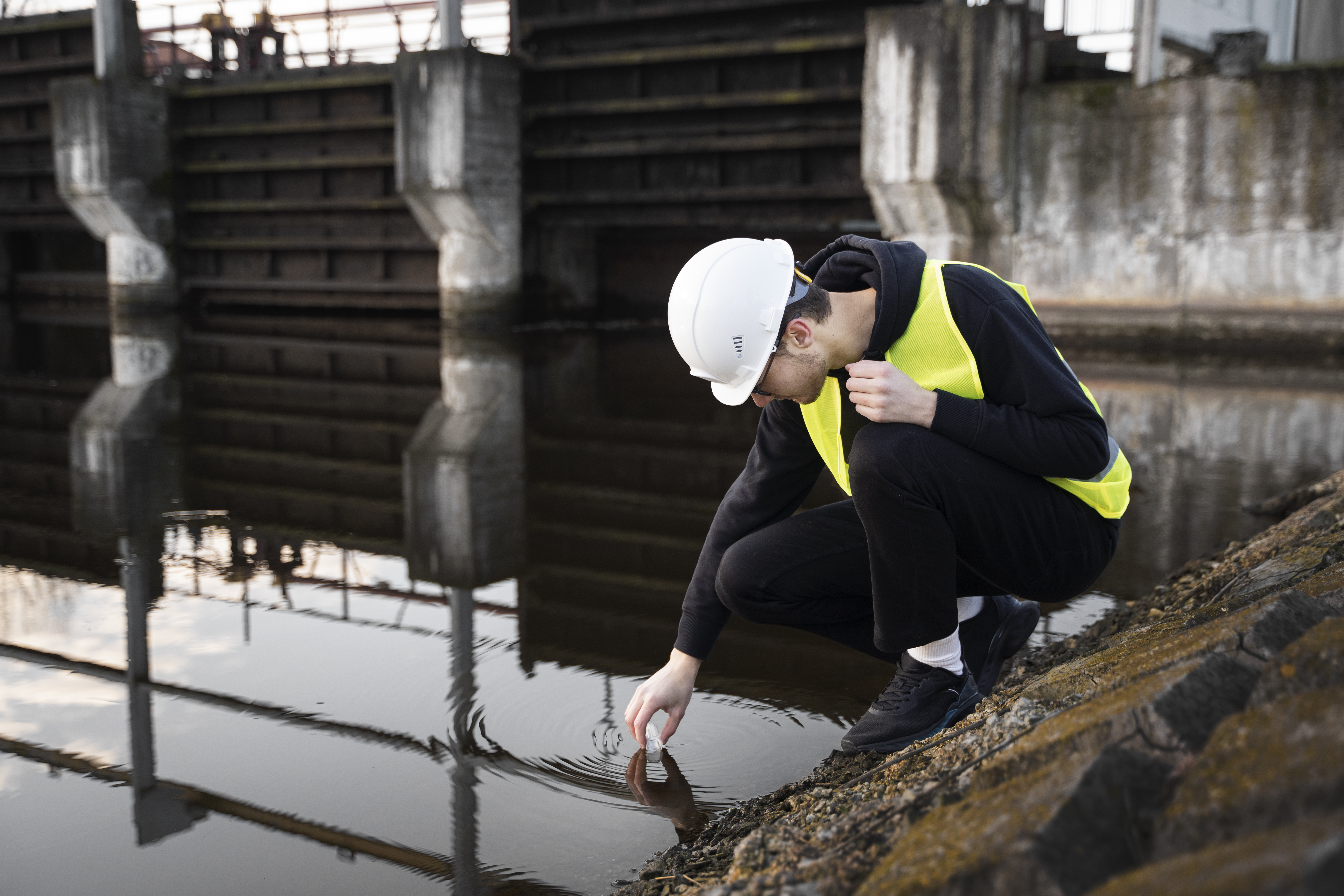
Penn State University researchers have demonstrated the usefulness of wastewater monitoring for foodborne pathogen surveillance, after successfully isolating Salmonella from wastewater samples and using whole genome sequencing (WGS) to link the isolates to a known salmonellosis outbreak. The findings were published in the Journal of Clinical Microbiology.

During the COVID-19 pandemic, wastewater monitoring was highly effective in identifying the variants of concern earlier than clinical surveillance methods. In this context, the Penn State team sought to explore whether the same wastewater monitoring framework could also aid traditional reporting of foodborne illnesses to public health authorities. Salmonella was chosen as the target of the study due to its prevalence as a foodborne pathogen, and also because Pennsylvanian and national infrastructures for salmonellosis reporting and genomic data collection for Salmonella already exist.

For the study, wastewater samples were collected from two central Pennsylvania treatment facilities at regular intervals during June 2022. WGS was conducted on Salmonella isolated from the samples, and the U.S. Centers for Disease Control and Prevention’s (CDC’s) Systems Enteric Disease Response, Investigation, and Coordination (SEDRIC) platform was used to verify clustering of isolates from clinical and wastewater sources. For related Pennsylvanian isolates, the researchers reviewed original records in the Pennsylvania National Electronic Disease Reporting system (PA-NEDSS). They also compared findings to summaries of outbreak investigations.

A total of 43 Salmonella isolates were recovered from wastewater samples, comprising seven serovars: 16 S. Panama isolates (37.2 percent), nine S. Seftenberg isolates (20.9 percent), eight S. Baildon isolates (18.6 percent), and three or fewer of all other serovars. Genetic similarity between the wastewater isolates and isolates from human clinical cases were assessed—all S. Baildon isolates from wastewater were found to be genetically similar to those associated with an existing foodborne illness outbreak. Of the 42 human clinical S. Baildon isolates from the existing outbreak, one was obtained from a patient who lives within the catchment area of one of the wastewater treatment plant sampling sites, which serves about 17,000 people.

As S. Baildon is a rare serovar—reported in less than one percent of salmonellosis cases nationally in a five-year period—the researchers emphasize the value of monitoring sewage from a defined population to improve foodborne illness surveillance and outbreak investigations.  

Looking for quick answers on food safety topics? Try Ask FSM, our new smart AI search tool. Ask FSM →

KEYWORDS: foodborne illness penn state university Salmonella study surveillance wastewater whole genome sequencing

Share This Story

Fsm purple logo 200x200

The Food Safety Magazine editorial team comprises Bailee Henderson, Digital Editor ✉; Adrienne Blume, M.A., Editorial Director; and Stacy Atchison, Publisher.

Recommended Content

JOIN TODAY
to unlock your recommendations.

Already have an account? Sign In

  • people holding baby chicks

    Serovar Differences Matter: Utility of Deep Serotyping in Broiler Production and Processing

    This article discusses the significance of Salmonella in...
    Meat/Poultry
    By: Nikki Shariat Ph.D.
  • woman washing hands

    Building a Culture of Hygiene in the Food Processing Plant

    Everyone entering a food processing facility needs to...
    Sanitation
    By: Richard F. Stier, M.S.
  • graphical representation of earth over dirt

    Climate Change and Emerging Risks to Food Safety: Building Climate Resilience

    This article examines the multifaceted threats to food...
    International
    By: Maria Cristina Tirado Ph.D., D.V.M. and Shamini Albert Raj M.A.
Manage My Account
  • eMagazine Subscription
  • Subscribe to eNewsletter
  • Manage My Preferences
  • Website Registration
  • Subscription Customer Service

More Videos

Sponsored Content

Sponsored Content is a special paid section where industry companies provide high quality, objective, non-commercial content around topics of interest to the Food Safety Magazine audience. All Sponsored Content is supplied by the advertising company and any opinions expressed in this article are those of the author and not necessarily reflect the views of Food Safety Magazine or its parent company, BNP Media. Interested in participating in our Sponsored Content section? Contact your local rep!

close
  • a diagram explaining indicator organisms
    Sponsored byHygiena

    How Proactive Listeria Testing Helps Prevent Six- and Seven-Figure Recalls

  • woman grocery shopping
    Sponsored byCorbion

    Designing Safety Into Every Bite: Proactive Risk Mitigation for Refrigerated Foods

  • ground meat being processed by a meat grinder
    Sponsored byFlexXray

    Foreign Material Contamination: Benchmarking Your Organization to Solve One of the Industry’s Toughest Challenges

Popular Stories

scott&jons scampi

Two More Deaths Reported in Listeria Outbreak Linked to Prepared Pasta Meals

german flag and sausage

Hundreds Sick, at Least Two Dead in German E. coli Outbreak

mindy brashears USDA headshot

USDA-FSIS Under Secretary for Food Safety Nominee Reveals Priorities in Senate Hearing

Events

November 11, 2025

Feeding the Future: How Lessons From 2025 Will Shape 2026

Live: November 11, 2025 at 10:00 am EST: This webinar will bring together LRQA experts and industry leaders to explore how lessons from 2025 will shape 2026, focusing on building resilient, digitally enabled, and consumer-trusted food systems.

November 18, 2025

Dry Sanitation and Cleaning Techniques for Facilities and Equipment

Live: November 18, 2025 at 12:00 pm EDT: From this webinar, attendees will learn best practices employed by dry/low-moisture food processors for dry sanitation and equipment cleaning.

November 20, 2025

New U.S. Additive Bans: How to Prepare and Protect Your Brand

Live: November 20, 2025 at 11:00 am EST: From this webinar, attendees will learn the impact of ingredient restrictions on product development, sourcing, labeling, and market access.

View All

Products

Global Food Safety Microbial Interventions and Molecular Advancements

Global Food Safety Microbial Interventions and Molecular Advancements

See More Products

Related Articles

  • person taking water sample at treatment plant

    NACCHO Awards Local Health Departments $356,000 for Wastewater Monitoring, a Useful Foodborne Illness Surveillance Tool

    See More
  • FSM podcast

    Ep. 191. Dr. Edward Dudley: Wastewater Monitoring for Foodborne Pathogen Surveillance

    See More
  • 3d rendering of robotic hands holding aloft a blue brain that says AI

    UKHSA Explores AI Surveillance of Online Reviews for Foodborne Illness Outbreak Investigations

    See More

Related Products

See More Products
  • 9781138070912.jpg

    Trends in Food Safety and Protection

  • Food-Forensics-3D.jpg

    Food Forensics Handbook Practice, Instrumentation, Case Studies

  • 9781498762878.jpg

    Food Safety and Protection

See More Products

Related Directories

  • AEMTEK Laboratories

    ISO 17025 accredited third-party laboratory focused on accuracy, turnaround times, customer service, and knowledgeable staff. AEMTEK specializes in product testing, environmental monitoring, shelf-life studies, process validation, research, training, and consulting services. For over 20 years, AEMTEK has provided clients with holistic solutions to ensure food safety.
×

Never miss the latest news and trends driving the food safety industry

eNewsletter | Website | eMagazine

JOIN TODAY!
  • RESOURCES
    • Advertise
    • Contact Us
    • Directories
    • Store
    • Want More
  • SIGN UP TODAY
    • Create Account
    • eMagazine
    • eNewsletter
    • Customer Service
    • Manage Preferences
  • SERVICES
    • Marketing Services
    • Reprints
    • Market Research
    • List Rental
    • Survey/Respondent Access
  • STAY CONNECTED
    • LinkedIn
    • Facebook
    • Instagram
    • X (Twitter)
  • PRIVACY
    • PRIVACY POLICY
    • TERMS & CONDITIONS
    • DO NOT SELL MY PERSONAL INFORMATION
    • PRIVACY REQUEST
    • ACCESSIBILITY

Copyright ©2025. All Rights Reserved BNP Media.

Design, CMS, Hosting & Web Development :: ePublishing