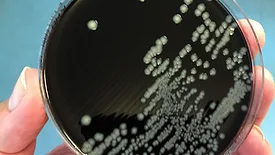
An analysis of multinational WGS surveillance data suggests that a multidrug-resistant lineage of Campylobacter coli has circulated across human, animal, food, and environmental sources in Europe for years, highlighting the need for coordinated One Health genomic surveillance.
Several senators have written letters to U.S. Health Secretary Kennedy urging Cyclospora surveillance to be restored to the FoodNet program. Experts say that FoodNet cuts, although problematic, did not cause the current outbreak.
Public health experts say the ongoing cyclosporiasis situation exposes growing weaknesses in national foodborne illness surveillance, highlighting how funding and program cuts and CDC staff attrition could undermine outbreak detection and delay response, affecting public health communication and consumer confidence in food safety.
In a letter, Senator Amy Klobuchar urged CDC and FDA to fully restore food safety programs that have been affected under the Trump Administration and continue supporting state public health agencies with the resources needed to detect, investigate, and respond to foodborne illness outbreaks.
Effective July 20, to support risk surveillance, the agency will perform metals analysis on samples that are already collected for allergen verification.
The Danish Annual Report on Zoonoses summarizes trends in foodborne disease, zoonotic pathogens, and surveillance activities across humans, animals, food, and the environment.
Reoccurring, emerging, and persisting (REP) strains cause foodborne illnesses over extended periods of time, rather than through isolated outbreaks. The REP framework was jointly developed by CDC, FDA, and USDA-FSIS through the Interagency Foodborne Outbreak Response Collaboration.
In a new peer-reviewed article, researchers make a case for linking data from both routine foodservice establishment inspections and foodborne illness surveillance, while acknowledging existing challenges, like inconsistent adoption of FDA’s Food Code and electronic data collection systems.
Improvements in national food safety infrastructure by the 17 countries included in the analysis would cost an estimated $492 million USD over ten years, but would avert 19 million cases of foodborne illness and 13,000 associated deaths, generating a value of $23 billion.
The scientists will isolate and identify pathogens like Salmonella enterica and Listeria monocytogenes from Pennsylvania wastewater using whole genome sequencing (WGS), then work with the State Department of Health to connect isolates to foodborne illness outbreaks.