Food Safety
search
Ask Food Safety AI
cart
facebook twitter linkedin instagram youtube
  • Sign In
  • Create Account
  • Sign Out
  • My Account
Food Safety
  • NEWS
    • Latest News
    • White Papers
  • PRODUCTS
  • TOPICS
    • Contamination Control
    • Food Types
    • Management
    • Process Control
    • Regulatory
    • Sanitation
    • Supply Chain
    • Testing and Analysis
  • PODCAST
  • EXCLUSIVES
    • Food Safety Five Newsreel
    • eBooks
    • FSM Distinguished Service Award
    • Interactive Product Spotlights
    • Videos
  • BUYER'S GUIDE
  • MORE
    • NEWSLETTERS >
      • Archive Issues
      • Subscribe to eNews
    • Store
    • Sponsor Insights
    • ASK FSM AI
  • WEBINARS
  • FOOD SAFETY SUMMIT
  • EMAG
    • eMagazine
    • Archive Issues
    • Editorial Advisory Board
    • Contact
    • Advertise
  • SIGN UP!
NewsContamination ControlManagementInternationalChemical Control

UK Reports Decade-Low Antibiotic Sales for Use in Food Animals, Decreasing AMR
By Bailee Henderson
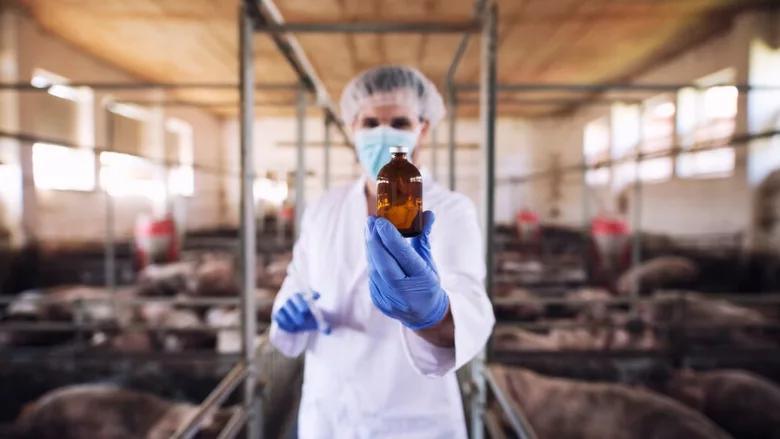
veterinarian in PPE on pig farm holding syringe and bottle of medication

Image credit: aleksandarlittlewolf via Freepik

November 21, 2024

UK sales of antibiotics for use in food-producing animals is at a 10-year-low, according to the latest report from the UK Veterinary Medicines Directorate. The report also shows decreasing levels of antimicrobial resistance (AMR) in pathogens from livestock and poultry.

The UK-Veterinary Antimicrobial Resistance and Sales Surveillance (UK-VARSS) report brings together national data on antibiotic sales, antibiotic use, and AMR. This year’s report was published during World AMR Awareness Week, which is recognized during November every year to highlight the urgent threat to global public health posed by AMR.

Antibiotic Sales

Although the latest report shows no change in the sales of veterinary antibiotics for use in livestock and poultry between 2022 and 2023 (25.7 milligrams per kilogram [mg/kg]), antibiotic sales for food-producing animals remain 59 percent lower than reported in 2014 (62.3 mg/kg). More than 60 percent of all antibiotics sold for use in food-producing animals were either tetracyclines (33 percent) or penicillins (28 percent).

Sales of critically important antibiotics for use in food-producing animals (i.e., fluoroquinolones, third- and fourth-generation cephalosporins, and colistin) remain at very low levels (0.11 mg/kg), accounting for less than 0.5 percent of total sales, and representing an 84 percent decrease compared with sales in 2014 (0.67 mg/kg). No sales of colistin for use in food-producing animals were recorded in 2023, compared to 0.12 mg/kg in 2014.

Antibiotic Use

Pigs were administered the most antibiotics out of any food-producing animals in the UK, with 84.8 mg/kg used—an increase of 13 mg/kg compared to 2022. Still, the use of antibiotics in pigs is down 69 percent from 2014. Broiler chickens followed pigs, with 13.5 mg/kg total antibiotics administered, representing a 0.5 mg/kg decrease from 2022 and a 72 percent decrease from 2014.

In 2023, 19.9 mg/kg antibiotics were administered to salmon, up by 1.4 mg/kg since 2022 and by 24 percent since 2014. Salmon is the only food-producing animal to see an increase in antibiotic use since 2014, with the rest of the monitored animal categories seeing significant decreases throughout the decade, ranging from 51 percent to 97 percent.

AMR

The UK-VARSS report monitors AMR in pathogens isolated from healthy pigs and poultry at slaughter, and the latest report is the first to include results from AMR surveillance pilots in milk from dairy cattle, beef cattle, and sheep, carried out under the UK Food Standards Agency’s (FSA’s) Pathogen Surveillance in Agriculture, Food, and Environment (PATH-SAFE) program.

Looking for quick answers on food safety topics?
Try Ask FSM, our new smart AI search tool.
Ask FSM →

There have been significant improvements in AMR since reporting began in 2014–2015. The percentage of Escherichia coli isolates (from pigs and chickens) showing full susceptibility to the panel of tested antibiotics is at a new high of 43 percent, which is more than double the rate seen in 2014–2015. Additionally, the percentage of multidrug-resistant isolates (from pigs and chickens) is at a new low of 27 percent.

Based on PATH-SAFE testing, full antimicrobial susceptibility among E. coli isolated from sheep and dairy cattle is more than 87 percent and more than 80 percent, respectively. However, there was also a significant percentage of E. coli isolated from beef cattle that expressed genes carrying resistance to critical third- and fourth-generation cephalosporins.

The UK-VARSS report also includes veterinary clinical surveillance data, providing AMR information for pathogens isolated from diagnostic samples. This data is not representative of the UK’s wider animal populations.

Of the 1,168 clinical E. coli isolates tested for AMR, 18 percent showed resistance to four or more individual antibiotics, although overall resistance has decreased since 2014. Of the 5,513 clinical Salmonella isolates tested, 73 percent were fully susceptible to antibiotics, while 14 percent were resistant to four or more antibiotics.


KEYWORDS: AMR antibiotics report UK

Share This Story

Baileehendersonmay23

Bailee Henderson is the Digital Editor of Food Safety Magazine, where she covers industry-relevant current events, regulatory affairs, and scientific developments. She also produces the Food Safety Five Newsreel. Notably, Bailee's coverage for Food Safety Magazine has been featured in national televised news segments including CBS Sunday Morning and MSNBC's Rachel Maddow Show. She can be reached at hendersonb@bnpmedia.com.

Recommended Content

JOIN TODAY
to unlock your recommendations.

Already have an account? Sign In

  • people holding baby chicks

    Serovar Differences Matter: Utility of Deep Serotyping in Broiler Production and Processing

    This article discusses the significance of Salmonella in...
    Microbiological Control
    By: Nikki Shariat Ph.D.
  • woman washing hands

    Building a Culture of Hygiene in the Food Processing Plant

    Everyone entering a food processing facility needs to...
    Facilities
    By: Richard F. Stier, M.S.
  • graphical representation of earth over dirt

    Climate Change and Emerging Risks to Food Safety: Building Climate Resilience

    This article examines the multifaceted threats to food...
    International
    By: Maria Cristina Tirado Ph.D., D.V.M. and Shamini Albert Raj M.A.
Manage My Account
  • eMagazine Subscription
  • Subscribe to Newsletters
  • Manage My Preferences
  • Website Registration
  • Subscription Customer Service

More Videos

Sponsored Content

Sponsored Content is a special paid section where industry companies provide high quality, objective, non-commercial content around topics of interest to the Food Safety Magazine audience. All Sponsored Content is supplied by the advertising company and any opinions expressed in this article are those of the author and not necessarily reflect the views of Food Safety Magazine or its parent company, BNP Media. Interested in participating in our Sponsored Content section? Contact your local rep!

close
  • The image displays a person selecting packaged fresh chicken meat from a supermarket display cooler.
    Sponsored byCorbion

    Developing a Future-Proof Food Safety Strategy for Meat and Poultry Products

  • The image shows a variety of fresh produce packaged in plastic trays and wrap.
    Sponsored byWaters Corporation

    PFAS-Free Food Packaging by August 2026

  • This image displays a multi-stage water filtration system designed to remove contaminants from drinking water.
    Sponsored byWaterdrop Filter

    The 4.0 ppt Era: Future-Proofing Your Food Supply Chain Against 'Forever Chemicals'

Popular Stories

half shredded block of cheddar cheese and pile of cheese shreds on wooden cutting board

Patient Count in Raw Farm E. coli Outbreak Grows, Majority are Young Children

RAW FARM-brand raw cheddar cheese shreds

Amid E. coli Outbreak, Congress Urges FDA to Mandate Raw Cheese Recall

smiling employee in bottling factory looking at camera with arms crossed in front of production line

GFSI Unveils Updated Food Safety Culture Framework

foreign material webinar


Events

April 8, 2026

Foreign Material Contamination: Why In-Line Reinspection Isn't Enough

Live: April 8, 2026, at 11:00 am EDT: From this webinar, attendees will learn why reinspecting with in-line equipment is not sufficient when it comes to potential foreign material contamination.

April 16, 2026

Recordkeeping and Document Management for Food Safety Compliance

Live: April 16, 2026, at 2:00 pm EDT: From this webinar, attendees will learn why recordkeeping and document control are essential to food safety and business management.

May 11, 2026

The Food Safety Summit

Stay informed on the latest food safety trends, innovations, emerging challenges, and expert analysis. Leave the Summit with actionable insights ready to drive measurable improvements in your organization. Do not miss this opportunity to learn from experts about contamination control, food safety culture, regulations, sanitation, supply chain traceability, and so much more.

View All

Products

Global Food Safety Microbial Interventions and Molecular Advancements

Global Food Safety Microbial Interventions and Molecular Advancements

See More Products

Related Articles

  • muddy cow at farm

    U.S. Sales of Medically Important Antibiotics for Use in Food-Producing Animals Dropping Since 2015

    See More
  • raw salmon filet white background

    UK FSA Reports Low Levels of Antibiotic-Resistant Listeria, E. coli in Salmon Fillets

    See More
  • two veterinarians talking on cow farm with clipboard

    Sales of Medically Important Antibiotics for Use in Food-Producing Animals Decreased Slightly in 2023

    See More

Related Products

See More Products
  • 1119053595.jpg

    Food Safety for the 21st Century: Managing HACCP and Food Safety throughout the Global Supply Chain, 2E

  • 9781138070912.jpg

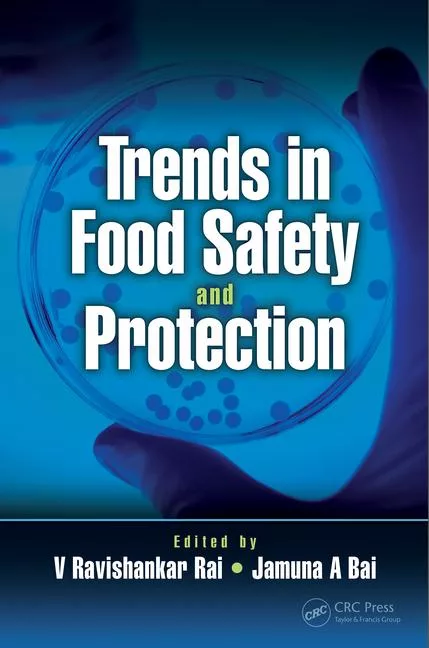
    Trends in Food Safety and Protection

  • 1118396308.jpg

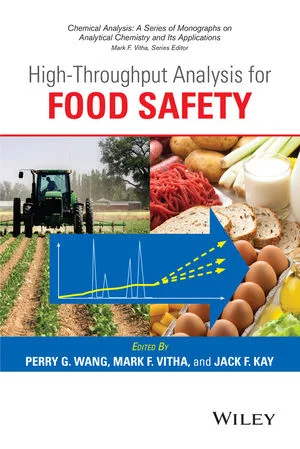
    High Throughput Analysis for Food Safety

See More Products

Related Directories

  • Elanco Animal Health

    ELANCO (NYSE: ELAN) is a global animal health company serving customers in more than 90 countries. The Elanco Poultry team combines industry-leading products and services with their professional experience and collaboration skills to help customers remain confident of success in the ever-changing poultry industry. Our team includes consultants with extensive veterinary knowledge and experience. Our industry-leading products focus on food safety, intestinal integrity, bioprotection, and nutrition.
×

Never miss the latest news and trends driving the food safety industry

Newsletters | Website | eMagazine

JOIN TODAY!
  • RESOURCES
    • Advertise
    • Contact Us
    • Directories
    • Store
    • Want More
  • SIGN UP TODAY
    • Create Account
    • eMagazine
    • Newsletters
    • Customer Service
    • Manage Preferences
  • SERVICES
    • Marketing Services
    • Reprints
    • Market Research
    • List Rental
    • Survey/Respondent Access
  • STAY CONNECTED
    • LinkedIn
    • Facebook
    • Instagram
    • X (Twitter)
  • PRIVACY
    • PRIVACY POLICY
    • TERMS & CONDITIONS
    • DO NOT SELL MY PERSONAL INFORMATION
    • PRIVACY REQUEST
    • ACCESSIBILITY

Copyright ©2026. All Rights Reserved BNP Media, Inc. and BNP Media II, LLC.

Design, CMS, Hosting & Web Development :: ePublishing