Articles will be uploaded to the bimonthly Features Collection on a rolling, weekly basis—so check back often for more expert insights! Explore previous Features Collections using the "Select a Collection" button below.
Food Safety Magazine
June/July 2026
The cover story for the June/July ‘26 issue of Food Safety Magazine discusses best practices for using existing organizational momentum to drive food safety culture improvementand keep SQF scores high. Additional features explore key factors for producing aseptic beverages, contextualizing toxicology and human exposure data related to pesticide residues in food, and the importance of workforce investment to a strong food safety culture.
This article shares best practices for using existing organizational momentum to drive food safety culture improvementand keep SQF scores high. It also suggests ways to cast a wide net to gather ideas for continual improvement that will reduce risk and better protect public health.
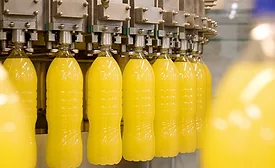
In aseptic systems, product sterilization is only one part of a much larger control strategy. FDA's Acidified and Low-Acid Canned Foods framework outlines the regulatory requirements for producing aseptic products, but a functioning system also depends on effective sanitation, strong control of ingredients and packaging materials, and robust maintenance.
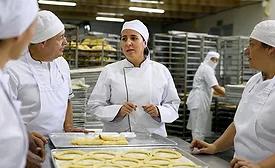
When workforce capability receives limited attention, it raises broader questions about leadership commitment to protecting both employees and consumers. Building a strong food safety culture requires more than policies and audits; it requires sustained investment in the people responsible for providing safe food every day.
AI has moved into food safety programsfaster than policies, procedures, and comfort levelscan adapt. The gap between what organizations say and what people doregarding AI use is one of the most interesting—and potentially risky—signals from this Food Safety Insights survey.
This article examines the importance of data culture—including data leadership, data literacy, data governance, data strategy, data access, and data communication—for supporting risk-based food safety systems.
Retailers and foodservice operators can protect major accounts by treating complaints not as normal operating conditions, but as intelligence—pinpointing true root causes, building supplier capability, and driving complaint volume as close to zero as possible.
Cruise ships are self-contained, complex ecosystems where pathogens like norovirus present a heightened risk to passengers. Highly contagious, environmentally persistent, and operationally disruptive, norovirus has long been the single greatest food safety challenge facing the cruise industry.
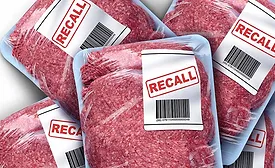
Given the headlines coming out of 2025, it would be reasonable to expect a shift in recall patterns in the food industry. Yet, looking past the headlines and into the numbers, 2025 remained remarkably consistent with the past decade of recall trends, in terms of count and cause.
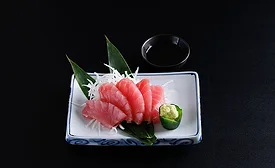
This article focuses on frozen and fresh tuna used in sushi and sashimi applications and, as such, describes processing as it pertains to Big Eye, Yellowfin, and Bluefin tuna.
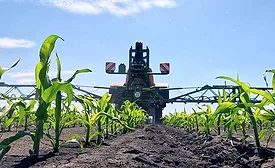
Food safety begins in the field, the barn, and the watershed, not at the processing plant. The concept of preharvest biosurveillance—the systematic, continuous monitoring and management of biological threats before harvest—is now central to building safer and more resilient food systems.