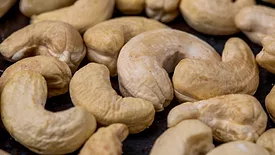
A new study quantified the allergen cross-contamination that occurs in shared frying oil and evaluated the efficacy of different filters in removing allergen protein residues from oil.
AB 2034 aims to tighten oversight of ingredients used in foods sold in the state that have entered the food supply without a formal FDA safety review through the Generally Recognized as Safe (GRAS) process.
The standards provide a consistent framework for state, local, tribal, and territorial jurisdictions overseeing produce operations and commodities covered by the Produce Safety Rule.
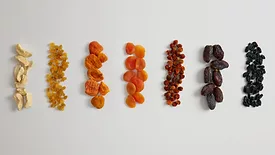
The STEC O26:H11 outbreak sickened 40 people and resulted in 19 cases of hemolytic uremic syndrome (HUS) in children. Dried fruit was the probable vehicle of illness. Researchers underlined the importance of a weight-of-evidence approach in the outbreak investigation.
A presidential Executive Order invoked the Defense Production Act of 1950, asserting that glyphosate-based herbicides are critical to “national security.” MAHA supporters are pushing back on the order.
The research from Oregon State University also found that queso cotija supports L. monocytogenes survival but not growth, and that organic acid surface treatments could inhibit L. monocytogenes growth on queso fresco.
The three-year partnership will focus on driving food safety, sustainability, and resiliency, aligned with One Health principles, by leveraging advanced technological tools and science.
The findings emphasize the need for cereal manufacturers to optimize processing steps for each process contaminant, while also considering the effects on product quality.
 RSS
RSS