South Korean Study Finds Listeria Solely on Retail Beef Samples, Not on Farm
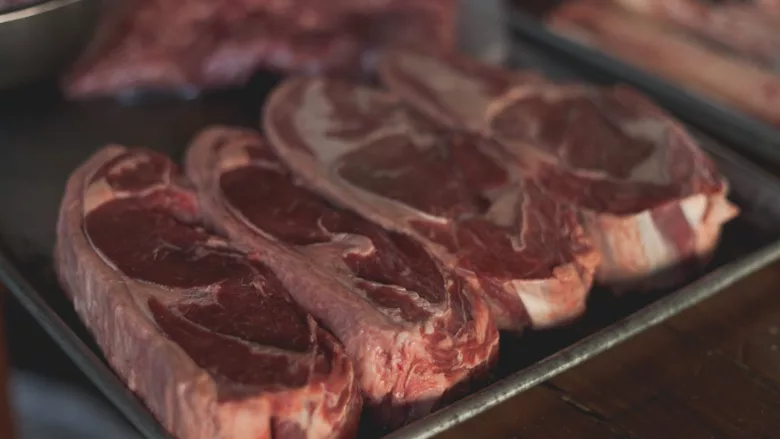
A recent study investigating Listeria monocytogenes in South Korea’s beef supply chain revealed the presence of the pathogen exclusively in retail product samples, underscoring the importance of enhanced hygiene practices post-harvest.
A total of 445 samples were collected between April 2023 and October 2024, from both cattle farms and retail markets. L. monocytogenes was isolated solely from retail beef (in 22 of 240 samples, or 9.2 percent), with no detections at the farm level.
Whole genome sequencing (WGS) of the 22 isolates identified two major phylogenetic lineages: lineage I (comprising 36.4 percent) and lineage II (63.6 percent). Lineage I included hypervirulent clonal complexes (CCs) such as CC3, CC87, and CC224, all harboring full-length inlA genes and pathogenicity islands LIPI-3 or LIPI-4. These genetic markers are associated with increased invasiveness and systemic dissemination in human infections, particularly in immunocompromised individuals and cases involving the nervous system or placenta.
Notably, CC224 strains shared molecular features with a 2018 South Korean outbreak strain, which demonstrated tetracycline resistance via the tetM gene. However, analyses confirmed the outbreak and retail meat isolates were genetically distinct, suggesting local adaptation from a common ancestral clone.
Lineage II isolates, while less virulent, exhibited stress-adaptive traits. CC9, the most frequently identified complex, carried inlA PMSC mutations linked to attenuated virulence. At the same time, clinical reports have documented infections from such strains, indicating alternative invasion mechanisms or mutation-specific effects.
Virulence and stress-related genes displayed lineage-specific patterns. All isolates carried LIPI-1 and internalin (surface proteins that help L. monocytogenes invade cells) genes inlB, inlC, and inlK. SSI-1 was present in 59.1 percent of isolates, while SSI-2 was restricted to CC121 of lineage II. Internalin genes inlG and inlL, along with ami and comK, were predominantly found in lineage II, suggesting enhanced persistence in food-processing environments.
Antimicrobial susceptibility testing showed all isolates were sensitive to frontline listeriosis treatments, including ampicillin and meropenem. However, tetracycline resistance was observed in four isolates (18.2 percent), all of which harbored the tetM gene. The tetM gene was located within a horizontally transferred region resembling segments from other Gram-positive pathogens, raising concerns about zoonotic transmission.
Looking for quick answers on food safety topics?
Try Ask FSM, our new smart AI search tool.
Ask FSM →
The absence of L. monocytogenes in farm samples limits traceability during foodborne illness outbreak events especially at abattoirs and processing facilities, which are critical control points for L. monocytogenes contamination, highlighting the importance of monitoring these establishments. The study emphasizes the co-existence of hypervirulent and stress-adapted L. monocytogenes subtypes in retail beef, reinforcing the need for continuous genomic surveillance and robust food safety interventions across the meat production continuum.
The study, published in the Journal of Food Protection, was led by researchers at the Catholic University of Korea and Inje University. The project was supported by grants from the Korean Ministry of Food and Drug Safety.