Food Safety
search
Ask Food Safety AI
cart
facebook twitter linkedin instagram youtube
  • Sign In
  • Create Account
  • Sign Out
  • My Account
Food Safety
  • NEWS
    • Latest News
    • White Papers
  • PRODUCTS
  • TOPICS
    • Contamination Control
    • Food Types
    • Management
    • Process Control
    • Regulatory
    • Sanitation
    • Supply Chain
    • Testing and Analysis
  • PODCAST
  • EXCLUSIVES
    • Food Safety Five Newsreel
    • eBooks
    • FSM Distinguished Service Award
    • Interactive Product Spotlights
    • Videos
  • BUYER'S GUIDE
  • MORE
    • NEWSLETTERS >
      • Archive Issues
      • Subscribe to eNews
    • Store
    • Sponsor Insights
    • ASK FSM AI
  • WEBINARS
  • FOOD SAFETY SUMMIT
  • EMAG
    • eMagazine
    • Archive Issues
    • Editorial Advisory Board
    • Contact
    • Advertise
  • SIGN UP!
NewsContamination ControlFood TypeRegulatorySupply ChainChemicalMicrobiologicalMeat/PoultryInternational Standards/HarmonizationFoodservice/Retail

Australian National Survey Finds AMR Bacteria on Retail Meats is ‘Low-Risk’

By Food Safety Magazine Editorial Team
package of raw pork chops on a white background
Image credit: chandlervid85 via Freepik
February 6, 2026

Food Standards Australia New Zealand (FSANZ) has published the findings of a national survey of antimicrobial resistance (AMR) in raw beef, chicken, and pork meat at retail.

Overall, FSANZ concluded that there is a low risk of bacteria from the sampled retail meats being involved in transmission of bacteria that may become involved in resistant infections or spreading resistance when safe primary production, processing, cooking, and food handling is practiced.

The survey sampled 4,151 raw retail beef, pork, and chicken products collected across the greater metropolitan areas of all Australian capital cities between September 2022 and July 2023. Samples comprised 581 beef, 2,005 chicken, and 1,565 pork meats. The sampling plan adhered to international guidelines, considering factors like sampling frequency, statistical power, sample size, strata selection, and storage/transport procedures.

Samples were tested for the presence of bacterial pathogens, which were then isolated and subjected to antimicrobial susceptibility testing. Target bacteria included Escherichia coli, Enterococcus, Salmonella, and Campylobacter. Isolates were also analyzed for resistance genes using whole genome sequencing (WGS). Murdoch University completed all laboratory testing for AMR and WGS.

Foodborne pathogens were detected in:

  • Beef: 65 percent of samples tested positive for E. coli and 72 percent tested positive for Enterococcus; beef was not tested for Salmonella or Campylobacter
  • Chicken: 74 percent of samples tested positive for E. coli, 84 percent for Enterococcus, 9 percent for Salmonella, and 62 percent for Campylobacter
  • Pork: 62 percent of samples tested positive for E. coli, 77 percent for Enterococcus, and 3 percent for Salmonella; pork was not tested for Campylobacter.

Overall, AMR resistance among foodborne pathogens tested in the survey was low across all meat types. Approximately two-thirds of the bacteria isolated from raw meat samples were not resistant to any of the antibiotics tested. Pork E. coli isolates and chicken Enterococcus isolates showed the highest levels of AMR.

Multidrug resistance (MDR) was also low and mostly involved antibiotics of low importance to human health. MDR was highest in E. coli isolates from pork samples (25 percent).

Interestingly, moderate resistance to ciprofloxacin (a quinolone) was found in Campylobacter jejuni from chicken, despite these antibiotics never being registered for use in Australian food-producing animals—highlighting the unique global challenge of quinolone-resistant Campylobacter.

Looking for quick answers on food safety topics?
Try Ask FSM, our new smart AI search tool.
Ask FSM →

The survey was undertaken as part of the Australian Government One Health effort in addressing AMR, led by the Australian Center for Disease Control, jointly with the Department of Agriculture, Fisheries, and Forestry and in collaboration with other Australian Government portfolios and agencies.

The full report can be accessed here.

KEYWORDS: AMR Australia FSANZ report

Share This Story

Fsm purple logo 200x200

The Food Safety Magazine editorial team comprises Bailee Henderson, Digital Editor ✉; Adrienne Blume, M.A., Editorial Director; and Stacy Atchison, Publisher.

Recommended Content

JOIN TODAY
to unlock your recommendations.

Already have an account? Sign In

  • people holding baby chicks

    Serovar Differences Matter: Utility of Deep Serotyping in Broiler Production and Processing

    This article discusses the significance of Salmonella in...
    Contamination Control
    By: Nikki Shariat Ph.D.
  • woman washing hands

    Building a Culture of Hygiene in the Food Processing Plant

    Everyone entering a food processing facility needs to...
    Sanitation
    By: Richard F. Stier, M.S.
  • graphical representation of earth over dirt

    Climate Change and Emerging Risks to Food Safety: Building Climate Resilience

    This article examines the multifaceted threats to food...
    Risk Assessment
    By: Maria Cristina Tirado Ph.D., D.V.M. and Shamini Albert Raj M.A.
Manage My Account
  • eMagazine Subscription
  • Subscribe to Newsletters
  • Manage My Preferences
  • Website Registration
  • Subscription Customer Service

More Videos

Sponsored Content

Sponsored Content is a special paid section where industry companies provide high quality, objective, non-commercial content around topics of interest to the Food Safety Magazine audience. All Sponsored Content is supplied by the advertising company and any opinions expressed in this article are those of the author and not necessarily reflect the views of Food Safety Magazine or its parent company, BNP Media. Interested in participating in our Sponsored Content section? Contact your local rep!

close
  • Salmonella bacteria
    Sponsored byThermoFisher

    Food Microbiology Testing Methods: Salmonella species

  • a diagram explaining indicator organisms
    Sponsored byHygiena

    How Proactive Listeria Testing Helps Prevent Six- and Seven-Figure Recalls

  • woman grocery shopping
    Sponsored byCorbion

    Designing Safety Into Every Bite: Proactive Risk Mitigation for Refrigerated Foods

Popular Stories

plate of RTE deli meats and sausages

Boar’s Head Reopens Production Facility Behind Fatal Listeriosis Outbreak

person on clipboard in processing environment

Preventive Maintenance: A Complex Prerequisite Program

baby taking a bottle

EFSA to Advise on Cereulide Levels in Infant Formula Following Global Recall

Events

February 25, 2026

How to Manage Food Safety and Regulatory Risks in Your Supply Chain

Live: February 25, 2026 at 2:00 pm EST: From this webinar, attendees will learn how large food manufacturing organizations can successfully manage their supply chain, food safety, and regulatory risks.

March 3, 2026

FDA/USDA Regulatory Updates: Food Safety Work Plans for 2026

Live: March 3, 2026 at 2:00 pm EST: In this high-level, exclusive webinar, FDA Deputy Commissioner for Human Foods Kyle Diamantas and USDA Under Secretary for Food Safety Mindy Brashears, Ph.D. will share their agencies' regulatory priorities and work plans for 2026 and beyond.

May 11, 2026

The Food Safety Summit

Stay informed on the latest food safety trends, innovations, emerging challenges, and expert analysis. Leave the Summit with actionable insights ready to drive measurable improvements in your organization. Do not miss this opportunity to learn from experts about contamination control, food safety culture, regulations, sanitation, supply chain traceability, and so much more.

View All

Products

Global Food Safety Microbial Interventions and Molecular Advancements

Global Food Safety Microbial Interventions and Molecular Advancements

See More Products

Related Articles

  • raw chicken breast on display at store

    Study Finds Low Campylobacter Prevalence on Retail Chicken Meat, But Suggests Surveillance Gaps Exist

    See More
  • prawns on a plate

    UK Study Finds Low Presence of Salmonella on Retail Food, but High Genetic Diversity

    See More
  • frozen raspberries

    Presence of Bacterial Pathogens on Swiss Frozen Berries is Very Low, Study Shows

    See More

Related Products

See More Products
  • food safety.jpg

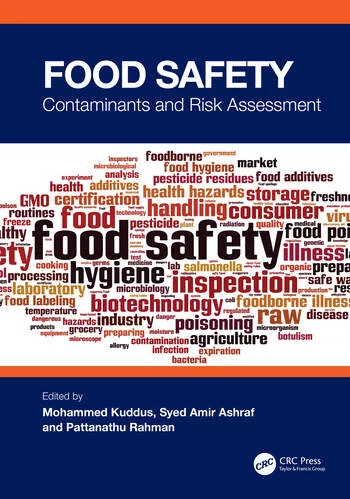
    Food Safety Contaminants and Risk Assessment

  • 1119071127.jpg

    Food Safety, Risk Intelligence and Benchmarking

  • food-safety-making.jpg

    Food Safety: Making Foods Safe and Free From Pathogens

See More Products

Related Directories

  • On Target Packaging

    On Target Packaging is a production/maintenance servicer for combination and check weighers. We do not sell or process food, but provide service/repairs, and equipment for the food industry
  • OneVision Corp.

    We develop, manufacture, sell and support can seam inspection and weighing systems to food and beverage canners, can makers, and specialty manufacturers (oil filter, aerosol cans, composite cans). Founded in 1994, we've installed and support more than 350 can seam inspection systems around the world.
×

Never miss the latest news and trends driving the food safety industry

Newsletters | Website | eMagazine

JOIN TODAY!
  • RESOURCES
    • Advertise
    • Contact Us
    • Directories
    • Store
    • Want More
  • SIGN UP TODAY
    • Create Account
    • eMagazine
    • Newsletters
    • Customer Service
    • Manage Preferences
  • SERVICES
    • Marketing Services
    • Reprints
    • Market Research
    • List Rental
    • Survey/Respondent Access
  • STAY CONNECTED
    • LinkedIn
    • Facebook
    • Instagram
    • X (Twitter)
  • PRIVACY
    • PRIVACY POLICY
    • TERMS & CONDITIONS
    • DO NOT SELL MY PERSONAL INFORMATION
    • PRIVACY REQUEST
    • ACCESSIBILITY

Copyright ©2026. All Rights Reserved BNP Media.

Design, CMS, Hosting & Web Development :: ePublishing