FAO Regional Network Maps Food Safety Needs for Near East and North Africa
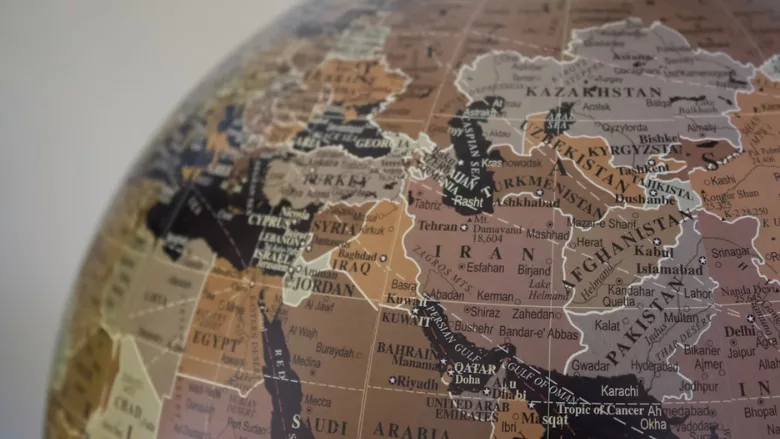
The Food and Agriculture Organization of the United Nations (FAO)-led Regional Food Safety Research and Innovation Network (RFSRIN) was officially launched this October to improve food safety across the Near East and North Africa. Recent efforts by RFSRIN include a report mapping the region’s food safety challenges and opportunities, as well as the Hack4SafeFood event, a regional technology and policy hackathon aimed to generate science-based solutions for the food system.
RFSRIN: A Collaborative Platform to Advance Food Safety Across the Near East and North Africa
On October 2, 2025, the FAO Regional Office for the Near East and North Africa (RNE) convened a regional session under the FAO Science and Innovation Forum (SIF) 2025, titled, “Science and Innovation Driving Food Safety—From Vision to Network.” The event marked the official launch of the Regional Food Safety Research and Innovation Network (RFSRIN)—a collaborative platform aimed at strengthening science-based approaches and fostering innovation to improve food safety across the Near East and North African (NENA) region.
The NENA region faces multifaceted challenges including water scarcity, climate change, rapid urbanization, and increasing reliance on global food supply chains. These stressors heighten the risk of food contamination and contribute to a significant burden of foodborne illness, affecting over 100 million people annually. As agri-food systems evolve under constrained natural resources, emerging technologies such as controlled environment agriculture and digital tools demand updated scientific frameworks and robust regulatory oversight.
The session featured high-level and technical panels with representatives from government, academia, industry, and regional organizations. Discussions centered on RFSRIN’s governance, sustainability, and thematic priorities. Participants stressed the need for a regional “network of networks” to connect laboratories, research institutions, and policy platforms—ensuring that scientific knowledge informs practical policy and strengthens national capacities.
By linking science, innovation, and collaboration, RFSRIN aims to accelerate the region’s transition toward safe, sustainable, and resilient agri-food systems, in which innovation is aligned with public health protection.
Food Safety and Quality in the Near North East and Africa: Mapping Drivers, Challenges, and Imperatives
FAO RNE recently published a comprehensive technical report mapping the food safety landscape across the region. Using the One Health approach and the Drivers, Pressures, State, Impact, Response (DPSIR) framework, the report analyzes key factors—such as climate change, water scarcity, political and economic instability, and demographic shifts—that influence food safety governance and increase dependence on global supply chains.
Key concerns outlined in the report include:
- Microbial and chemical contamination, notably pesticide and veterinary drug residues, with high levels of antibiotic residues reported in poultry, fish, and dairy.
- Mycotoxins in cereals, nuts, dairy, and animal feed, exceeding permissible limits in many countries.
- Food fraud and illicit trade, including mislabeling and smuggling of antimicrobials and pesticides.
- Weak surveillance and data infrastructure, limiting outbreak detection and risk assessment.
- Fragmented governance, poor coordination among Competent Authorities (CAs), and insufficient inspection resources.
- Neglected food safety in traditional markets and small- and medium-sized enterprises (SMEs), which are critical to regional food supply.
Despite some progress, mostly in oil-producing countries with stronger healthcare and regulatory systems, many nations struggle with institutional fragmentation, lack of enforcement, and limited capacity for risk-based food safety management.
Looking for quick answers on food safety topics?
Try Ask FSM, our new smart AI search tool.
Ask FSM →
Strategic priorities to strengthen food safety across the NENA region include:
- Institutionalizing the One Health approach to integrate human, animal, and environmental health.
- Strengthening multi-sectoral collaboration, surveillance systems, and rapid response mechanisms.
- Aligning with Codex Alimentarius and developing regional guidelines for emerging risks.
- Investing in capacity-building, infrastructure (e.g., cold chains), and traceability systems.
- Promoting artificial intelligence (AI) and robotics in food safety monitoring, inspection, and data analysis.
- Advancing public-private partnerships to support research, training, and regulatory reform.
- Enhancing consumer risk assessments and dietary data collection to inform public health strategies.
Overall, the report stresses that restoring political stability and building robust national food control systems are essential to achieving transparency, accountability, and sustainable food safety governance across the region.
Hack4SaferPlates Hackathon: Advancing Food Safety in the Near East and North Africa
In September 2025, to address the challenges outlined in the “Food Safety and Quality in the Near North East and Africa” report, FAO RNE organized Hack4SafeFood, a regional technology and policy hackathon. Conducted through RFSRIN and held in held in Riyadh, Saudi Arabia, the initiative aimed to generate science-based, scalable solutions by leveraging sustainable technologies, AI, and policy innovation.
Participants included a diverse group of innovators, developers, and young professionals spanning the NENA region, who competed to design practical solutions that enhance food safety standards, enable early warning and rapid response to food risks, and reduce food loss throughout the supply chain. The program featured targeted workshops and mentorship sessions led by regional and international experts. A final pitch competition was judged by a joint jury, which recognized the most innovative and scalable solutions tailored to the region’s needs.