The reviewed studies reported B. cereus contamination in different foods at rates ranging from approximately 15 percent to more than 70 percent. In a study focused on Burkina Faso, B. cereus was detected in 42 percent of tested infant cereals.
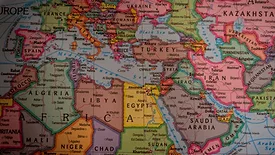
WHO and FAO convened 352 participants from more than 40 countries to strengthen multisectoral food safety emergency response planning in Africa and the Middle East, covering emergencies like natural disasters, humanitarian emergencies, and food supply chain disruptions.
FAO, WHO, and the Codex Coordinating Committees for Africa and the Near East led a training with more than 350 participants from the Africa, Near East, and Eastern Mediterranean regions, focused on participation in Codex standard-setting work.
With support from FAO, ten African Union (AU) countries completed assessments of their national food control systems, culminating in a report that outlines strengths, opportunities, and strategic actions.
The FAO-led Regional Food Safety Research and Innovation Network (RFSRIN) was officially launched this October to improve food safety across the Near East and North Africa. Recent efforts by RFSRIN include a report mapping the region’s food safety challenges and opportunities.
Reflecting on 20 years of research, scientists from the University of Pretoria and the Water Research Commission in South Africa are calling for better national water quality standards, as well as regular surveillance and testing of water sources and produce, to address contaminated irrigation water and improve produce safety.
Developing a continental food safety data hub with a rapid alert mechanism, a traceability system, and regional centers will be critical to the agency getting up and running.
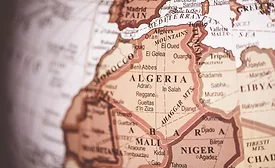
A recent study showed the high prevalence of Campylobacter in Nigeria with poultry as the primary reservoir, carrying significant food safety implications, and highlighting the importance of controlling the pathogen from a One Health perspective.
The global food system is at a crossroads. The second World Congress of the Global Harmonization Initiative (GHI) will unite scientists, policymakers, industry leaders, and other stakeholders in a critical dialogue on the future of food systems.
The Food and Agriculture Organization of the United Nations (FAO) is facilitating the establishment of a Regional Food Safety Research Network and Innovation Hub (RFSRNIH) to improve food safety in Near Eastern and North African countries, addressing challenges specific to the region.